
Fear of throwing things away (disposophobia)
En español: lee sobre este miedo en Fobias.org.
Disposophobia is a fear of throwing things out. Getting rid of old papers, clothes or even packaging can bring on real distress, and over time belongings may build up until rooms become hard to use.
Many people find that with the right help, letting go of things becomes easier, one small step at a time, and home feels lighter.
Use code PHOBIA at checkout for half price: £24.50 instead of £49. Outside the UK? $29.50.
About this phobia
The word is built from dispose and phobia. It is rarely used in clinical settings, where the pattern is usually described as hoarding, now recognised as a condition in its own right. The fear often links to worry about needing something later or to strong emotional ties to objects.
How it shows up
With disposophobia, deciding what to throw away can feel like losing something that matters. A person may keep old receipts, broken items and empty containers, sure they will be needed one day or that letting go would be wasteful or wrong. The distress is real, and arguments can follow when others try to help clear up. Over time belongings can spread into hallways, stairs and even beds, making daily life harder.
Common triggers
- Bin days and clearing sessions
- Others offering to tidy up
- Moving house
- Sentimental items
- Free items and bargains
- The thought of wasting something
Where it shows up
- Home, especially spare rooms and lofts
- Cars and sheds
- Desks and workplaces
- Charity shops and car boot sales
- A family home after a loss
Symptoms
In your body
- Tension and restlessness
- Racing heart
- Tight chest
- Feeling sick
In your mind
- Fear of needing something later
- Guilt about waste
- Strong emotional ties to objects
- Indecision about what to keep
What you might do
- Keeping items others see as rubbish
- Avoiding sorting or clearing
- Bringing more things home
- Refusing help from family
What may cause it
Hoarding often links to loss, trauma or a strong need for security. Some people grew up with very little and find it hard to part with anything that might be useful. Difficulty making decisions and perfectionism can also make sorting feel impossible. Hoarding is now recognised as a condition in its own right, so the pattern is far better understood than the term disposophobia suggests.
How it can affect your life
Clutter can make rooms hard to use and bring safety risks such as trips and fire hazards. It can strain relationships and leave people reluctant to have visitors. The person may feel ashamed and cut off, while family members feel helpless and unsure how to help.
Related fears
- Hoarding disorder
- Fear of making decisions (decidophobia)
- Fear of change (metathesiophobia)
- Fear of loss
Things that can help day to day
- Start small, with one drawer or shelf, and keep sessions short
- Use a simple rule, such as keeping only one of each item
- Ask a trusted person to help while you stay in charge of every decision
- Photograph sentimental items before letting them go, so the memory stays
When to get help
If clutter is making your home unsafe or affecting your health, speak to your GP, who can point you to support such as talking therapy. Sudden forced clear outs tend to cause great distress and the clutter often returns, so help that goes at your pace is usually best.
Explore more unusual fears in the rare phobias A to Z, or browse the common phobias.
About me
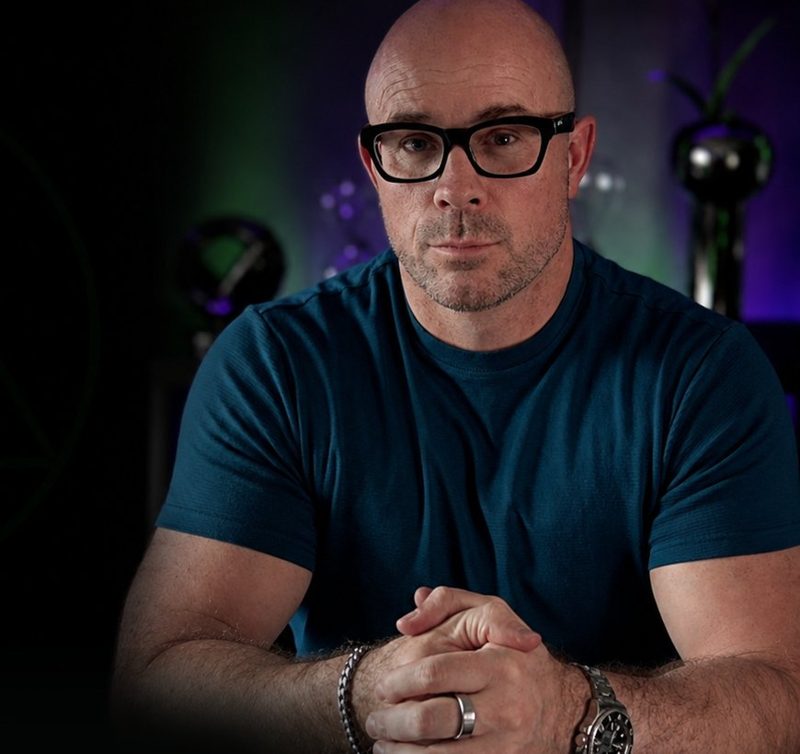
If you’ve tried to talk yourself out of this fear and it hasn’t worked, that isn’t a lack of willpower. A phobia is an alarm your mind learned, and logic alone rarely switches it off.
When a fear is less common, it can be harder to explain, so you may not have told many people about it. I work one to one over Zoom with people whose fears are holding them back, including rarer ones like this, and every plan starts with understanding what your fear is really about.
I’ve spent 17 years in clinical practice and helped more than 1,000 people with phobias. I hold a Postgraduate Certificate and a Postgraduate Diploma in Clinical Hypnotherapy, both with Distinction, and journalists and clients call me the Phobia Guru.
Common questions
Is disposophobia the same as hoarding?
They are closely linked. Disposophobia describes the fear of throwing things away, while hoarding describes the build-up of possessions that can follow. If clutter is affecting your health, safety or home life, a GP can point you towards support.
How can you help?
I use hypnotherapy and NLP to change how your mind responds to the thing you fear, so the old alarm stops going off. Sessions are one to one over Zoom, and you get a recording of the hypnosis to listen to afterwards.
How many sessions will I need?
Many clients notice a real difference after one 90 minute session. If the fear goes back a long way, three sessions gives us room to make the change stick.
Further reading: NHS: Hoarding disorder · Mind: What is hoarding
Ready to start?
A short call is the simplest next step. We’ll talk about your fear, what you’d like to feel instead, and whether I’m the right person to help.
- Take the free test at the top of this page to see how strong your fear is.
- Book a 30 minute call. Use code PHOBIA at checkout for half price: £24.50 instead of £49 ($29.50 outside the UK).
- Start your sessions over Zoom from wherever you live, or face to face in Hertfordshire.
See all session options and prices