
Fear of ticks
A fear of ticks can take the joy out of walks, picnics and time in the garden. You check your skin again and again, avoid long grass and spend the evening worrying about every itch.
Many people find that with the right help, they can take sensible care outdoors and then relax, enjoying the countryside again instead of seeing danger in every field.
Use code PHOBIA at checkout for half price: £24.50 instead of £49. Outside the UK? $29.50.
Understanding this fear
Being careful about ticks is good sense, because some ticks can carry Lyme disease. With a fear of ticks, the worry goes far beyond sensible care. In the US people often talk about deer ticks, and the same fear can stop walks, hikes and camping trips.
It is closely linked to a fear of insects, a fear of bed bugs, a fear of illness and a fear of germs.
Common triggers
- Tickling on your skin
- Bites you cannot explain
- Your dog coming in from a walk
- Warm, damp weather
- Signs warning about ticks
- Friends talking about Lyme disease
- Sitting on the grass
- Children playing outdoors
Where it shows up
- Country walks and hikes
- Parks and gardens
- Woodland and moors
- Camping and festivals
- Dog walking
- Holidays in the countryside
- Your own home after being outside
Symptoms
In your body
- Itchy, crawling skin
- Racing heart
- Feeling hot or shivery
- Tense muscles
- Trouble sleeping
In your mind
- There must be a tick on me
- I’ll get seriously ill
- Constant scanning of your skin
- Searching symptoms online
- Feeling you can never be sure
What you might do
- Checking skin and hair again and again
- Avoiding the outdoors
- Washing clothes straight away every time
- Keeping children or pets inside
- Asking others to check you over and over
What causes it
A tick bite, knowing someone who had Lyme disease or seeing frightening stories online can start it. A wider worry about illness can feed it too. Checking brings a moment of relief, so your mind learns to keep checking, and the fear grows.
How it can affect your life
A fear of ticks can stop you enjoying walks, holidays and time with family outside. It can lead to hours of checking and online searching, and can make summer something to dread.
Things that can help day to day
- Follow simple advice: keep to paths, wear long sleeves and trousers in long grass, and use insect repellent
- Do one careful check when you get home, then stop. More checking keeps the fear going
- Learn how to remove a tick properly with fine tipped tweezers or a tick remover, so you know what to do
- Remind yourself that most tick bites do not cause illness, and that treatment is available if one does
- Breathe out slowly, a little longer than you breathe in, when you notice the urge to check again
When to get help
See your GP if you get a circular red rash or flu like symptoms in the weeks after a tick bite. It is also worth getting help if the fear is stopping you going outside or if you are checking for hours. If you find you cannot stop checking or washing, talk to your GP, as that may need a different kind of support.
How I can help
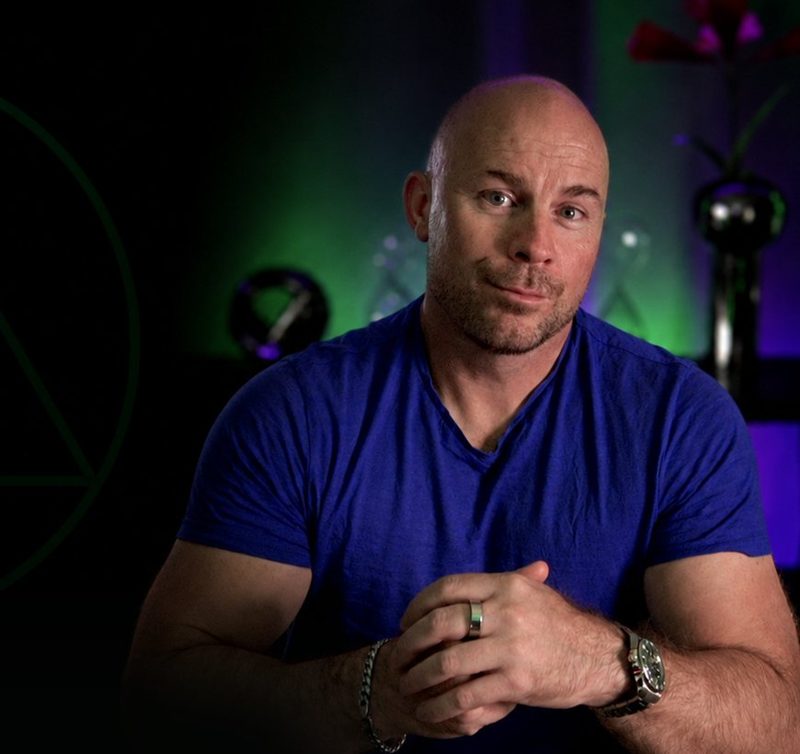
If you’ve tried to talk yourself out of this fear and it hasn’t worked, that isn’t a lack of willpower. A phobia is an alarm your mind learned, and logic alone rarely switches it off.
When I work with a fear of ticks, I first find out what the fear is really about for you, whether that is a past bite, a worry about illness or the feeling of something on your skin. Using hypnotherapy and NLP over Zoom, I help your mind let go of the old alarm, so you can take sensible care and then relax. We rehearse a calm walk in the countryside in your mind, in detail, until it feels ordinary. You get a recording of the hypnosis to listen to whenever you need it.
I’ve spent 17 years in clinical practice and helped more than 1,000 people with phobias. I hold a Postgraduate Certificate and a Postgraduate Diploma in Clinical Hypnotherapy, both with Distinction.
If you’re feeling low or on edge most of the time, talking to your GP or someone you trust can help too.
Common questions
Is a fear of ticks a real phobia?
Yes. It is a specific phobia, often linked to a fear of illness. When the fear is far stronger than the real risk and starts to shape your life, it responds well to the right help.
Should I still check for ticks?
Yes. One careful check after time in long grass or woods is sensible. The aim is to stop the endless checking, not the good sense.
What should I do if I find a tick?
Remove it as soon as you can with fine tipped tweezers or a tick remover, clean the skin, and see your GP if you get a rash or feel unwell afterwards.
How do sessions work?
I use hypnotherapy and NLP to change how your mind responds to this fear. Sessions are one to one over Zoom, and you get a recording of the hypnosis to listen to afterwards.
How many sessions will I need?
Many clients notice a real difference after one 90 minute session. If the fear goes back a long way, three sessions gives us room to make the change stick.
Further reading: NHS: Phobias, NHS: Lyme disease
Ready to start?
A short call is the simplest next step. We’ll talk about your fear, what you’d like to feel instead, and whether I’m the right person to help.
- Take the free test at the top of this page to see how strong your fear is.
- Book a 30 minute call. Use code PHOBIA at checkout for half price: £24.50 instead of £49 ($29.50 outside the UK).
- Start your sessions over Zoom from wherever you live, or face to face in Hertfordshire.
See all session options and prices