
Fear of time passing (chronophobia)
En español: lee sobre este miedo en Fobias.org.
A fear of time passing can show up at birthdays, New Year, in clocks and calendars or when life changes. It is often tied to worries about getting older or about death, and it can be helped.
Many people find that with the right help, birthdays and New Year can be enjoyed again, with less time spent worrying about time itself.
Use code PHOBIA at checkout for half price: £24.50 instead of £49. Outside the UK? $29.50.
Understanding this fear
Chronophobia is an intense fear of time passing. Everyone feels a pang at a big birthday or the end of a year, but with chronophobia that feeling becomes a steady background dread, or sudden waves of panic, about time slipping away. Many people describe a sense that time is speeding up, that the future is shrinking, or that there will not be enough time left for what matters. It is often bound up with worries about getting older, missing out or death.
It is a less common fear and there are no reliable figures on how many people have it. It seems more likely in older adults, people facing serious illness, people who have lived through trauma, and people serving long prison sentences, where it has been called prison neurosis. Some people noticed it for the first time during the long, shapeless weeks of the COVID-19 lockdowns. It often sits alongside other anxiety, low mood or a fear of death.
Common triggers
- Birthdays, especially ones ending in zero
- New Year and the clocks changing
- Anniversaries and graduations
- Watching children grow up or parents age
- Old photos or home videos
- A ticking clock or a crowded calendar
- News of an illness or a death
- Friends reaching milestones you have not
- Retirement or leaving a job
Where it shows up
- Birthday parties and family celebrations
- New Year’s Eve gatherings
- Hospitals and care homes
- Reunions or old haunts from your youth
- Quiet evenings at home with nothing planned
- Long waits in waiting rooms or queues
Symptoms
In your body
- Racing heart or palpitations
- Tight chest or short breath
- Sweating, chills or trembling
- Dizziness
- Churning stomach or nausea
- Restless sleep, especially around milestones
In your mind
- Time is running out and I have wasted it
- I will never get to do what I want
- Everything is moving too fast to hold on to
- Feeling detached, as if time has sped up or stopped
- Heavy dread about getting old or dying
What you might do
- Checking clocks, calendars or countdowns over and over
- Avoiding or playing down birthdays and celebrations
- Cramming plans and goals in a rush
- Avoiding photos or reminders of age
- Seeking reassurance that you have not left it too late
What causes it
There is rarely a single cause. A brush with serious illness, the death of someone close, or a life event that made time feel out of control can link the passing of time with danger or loss. Long spells of being stuck, such as illness, confinement or lockdown, can warp the sense of time and leave a lasting unease. An anxious temperament, or a family history of anxiety, low mood or phobias, can make it more likely. Once the fear is there, clock watching and avoiding reminders of age give brief relief but keep the mind fixed on time, which keeps the fear alive.
How it can affect your life
Chronophobia can take the shine off the very moments meant to be enjoyed, such as birthdays, holidays and family milestones. Some people feel frozen and unable to plan, while others race from goal to goal and never feel they have done enough. It can strain relationships if loved ones feel you are never really present, and it can feed isolation and low mood. Sleep often suffers too, especially around key dates.
Things that can help day to day
- Put your phone and watch away for set periods each day
- Spend time on something absorbing, such as a walk, music or a hobby, and notice the present moment
- Make one or two concrete plans for the months ahead to regain a sense of control
- Talk about the fear with a trusted friend or relative
- Use slow breathing or a short mindfulness exercise when dread rises
When to get help
It is worth getting help if the fear is spoiling milestones, stopping you planning or keeping you awake. Your GP is a good first port of call if anxiety or low mood is affecting daily life, and in England you can also refer yourself to NHS Talking Therapies. If you are feeling very low, please talk to your GP or call Samaritans on 116 123.
How I can help
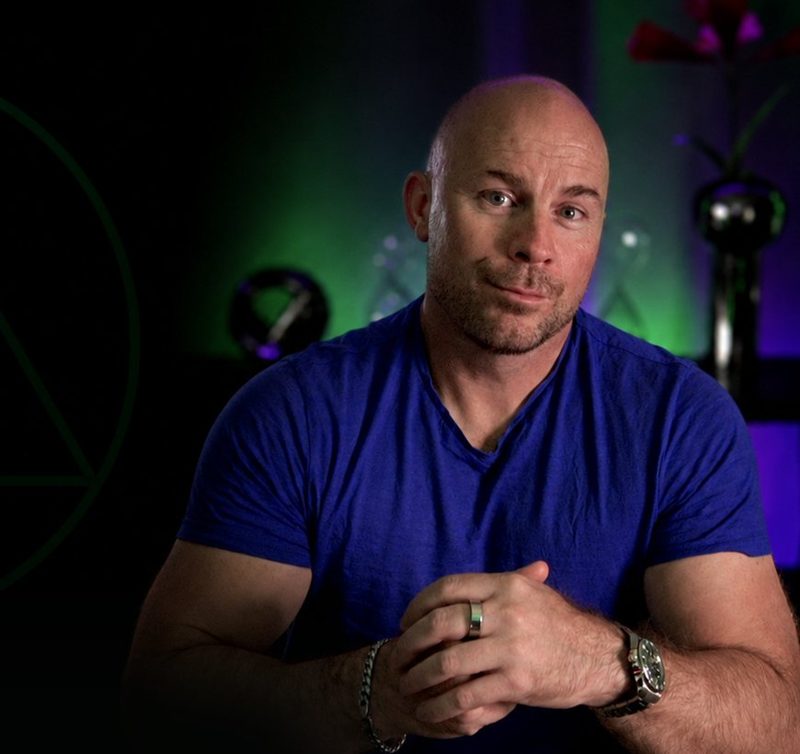
If you’ve tried to talk yourself out of this fear and it hasn’t worked, that isn’t a lack of willpower. A phobia is an alarm your mind learned, and logic alone rarely switches it off.
When I work with chronophobia over Zoom, I start by finding out what time really means to you, whether that is ageing, losing people, regret or a fear of death. Often the fear points to something that matters deeply, and we can honour that while turning down the panic. Using hypnotherapy and NLP, I help you experience time differently in your mind, slowing down, feeling present and rehearsing calm birthdays and milestones. Many clients find they can look ahead with more curiosity and less dread.
I’ve spent 17 years in clinical practice and helped more than 1,000 people with phobias. I hold a Postgraduate Certificate and a Postgraduate Diploma in Clinical Hypnotherapy, both with Distinction.
Common questions
Is it normal to feel anxious about time going by quickly?
Yes, most people feel this at times, especially as they get older or at big milestones. It becomes chronophobia when the worry is intense, lasts for months and gets in the way of enjoying life.
Is chronophobia linked to fear of death?
Often, yes. For many people time passing is a reminder of ageing and mortality, so the two fears tend to travel together. We would look gently at both, at a pace that feels right.
Can chronophobia start after lockdown?
Some people first noticed it during or after long periods stuck at home, when days blurred together. Confinement and trauma are among the things known to set it off.
Is this the same as a fear of ageing?
They are close cousins. Chronophobia is more about time itself moving on, while fear of ageing is about getting older. They often show up together, and we would look at what matters most for you.
How can you help?
I use hypnotherapy and NLP to change how your mind responds to the thing you fear, so the old alarm stops going off. Sessions are one to one over Zoom, and you get a recording of the hypnosis to listen to afterwards.
How many sessions will I need?
Many clients notice a real difference after one 90 minute session. If the fear goes back a long way, three sessions gives us room to make the change stick.
Further reading: Cleveland Clinic: Chronophobia · Choosing Therapy: Chronophobia · Mind: About phobias
Ready to start?
A short call is the simplest next step. We’ll talk about your fear, what you’d like to feel instead, and whether I’m the right person to help.
- Take the free test at the top of this page to see how strong your fear is.
- Book a 30 minute call. Use code PHOBIA at checkout for half price: £24.50 instead of £49 ($29.50 outside the UK).
- Start your sessions over Zoom from wherever you live, or face to face in Hertfordshire.
See all session options and prices