
Fear of tin openers or can openers (nlaiguphobia)
Nlaiguphobia is said to mean a fear of tin openers. For anyone who genuinely dislikes them, it might show up as avoiding tins altogether, struggling with the grinding noise, or worrying about cutting a finger on the sharp lid.
Many people find that with the right help, a tin opener or can opener becomes just another kitchen tool.
Use code PHOBIA at checkout for half price: £24.50 instead of £49. Outside the UK? $29.50.
About this phobia
The term was reported in a UK newspaper list of unusual fears, though the spelling looks invented. No clinical documentation has been found. A fear of sharp or pointed objects, sometimes called aichmophobia, may be the closer match.
How it shows up
Many people find tin openers fiddly or awkward, which is not the same as being afraid of them. A genuine fear might mean dread at the grinding sound, flinching at the jagged lid or refusing to open tins at all. Some people have had a nasty cut from a sharp edge, or watched someone else get one, and the worry has grown from there. When it changes what they cook or buy, it has gone beyond simple annoyance.
Common triggers
- The grinding sound of a tin opener
- Jagged or sharp tin lids
- Electric tin openers
- Ring pull cans that snap back
- Stories of kitchen cuts
- The sharp rim left on an opened tin
- Cookery shows that use tinned food
Where it shows up
- Home kitchens
- Shared or student kitchens
- Camping trips
- Catering or food bank work
- Cooking classes
- Holiday cottages with unfamiliar kitchen tools
Symptoms
In your body
- Flinching
- Tense hands
- Racing heart
- Sweaty palms
- Holding the breath
In your mind
- Fear of being cut
- Picturing an injury
- Worry about getting it wrong
- Feeling clumsy or unsafe in the kitchen
What you might do
- Buying food only in jars or pouches
- Asking others to open tins
- Avoiding recipes that use tins
- Leaving tins unopened in the cupboard
What may cause it
No research exists on a fear of tin openers. A fear of sharp edges or of being cut is better known and can start after an injury, a near miss in the kitchen or seeing someone else hurt. Sounds may also play a part for people who are sensitive to grinding or scraping noises. Avoiding tins keeps the fear going, though there is no need to handle sharp edges to make progress.
How it can affect your life
In daily life it can limit cooking choices and make shared kitchens awkward. It may also cost more, as alternatives to tinned food are often pricier. Some people feel embarrassed asking for help with such an everyday task.
Related fears
- Fear of sharp objects (aichmophobia)
- Fear of injury (traumatophobia)
- Strong reactions to certain sounds (misophonia)
- Fear of blood (haemophobia)
Things that can help day to day
- Try a safety tin opener that cuts around the side and leaves smooth edges
- Hold lids with a folded cloth rather than bare fingers, then drop them straight into the recycling
- Practise slow breathing before opening a tin
- Start by watching someone else open tins calmly, then try one yourself when ready
When to get help
If a fear of sharp objects is spreading to other kitchen items or daily tasks, a GP can talk you through options for help, including talking therapies. A hypnotherapist can also work with fears like this one.
Explore more unusual fears in the rare phobias A to Z, or browse the common phobias.
About me
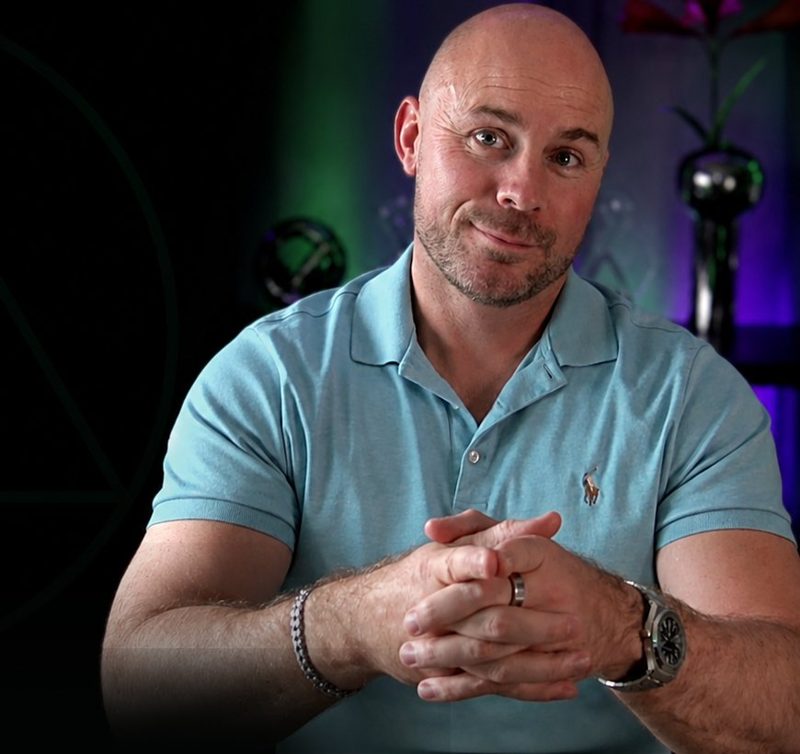
If you’ve tried to talk yourself out of this fear and it hasn’t worked, that isn’t a lack of willpower. A phobia is an alarm your mind learned, and logic alone rarely switches it off.
When a fear is less common, it can be harder to explain, so you may not have told many people about it. I work one to one over Zoom with people whose fears are holding them back, including rarer ones like this, and every plan starts with understanding what your fear is really about.
I’ve spent 17 years in clinical practice and helped more than 1,000 people with phobias. I hold a Postgraduate Certificate and a Postgraduate Diploma in Clinical Hypnotherapy, both with Distinction, and journalists and clients call me the Phobia Guru.
Common questions
Why would anyone be afraid of tin openers?
Usually it is less about the tool and more about a past cut, the sharp metal edge or the harsh sound. Small, specific fears like this often start with one bad moment. They are common and nothing to be embarrassed about.
How can you help?
I use hypnotherapy and NLP to change how your mind responds to the thing you fear, so the old alarm stops going off. Sessions are one to one over Zoom, and you get a recording of the hypnosis to listen to afterwards.
How many sessions will I need?
Many clients notice a real difference after one 90 minute session. If the fear goes back a long way, three sessions gives us room to make the change stick.
Further reading: Cleveland Clinic: Aichmophobia · Cleveland Clinic: Misophonia · NHS: Phobias
Ready to start?
A short call is the simplest next step. We’ll talk about your fear, what you’d like to feel instead, and whether I’m the right person to help.
- Take the free test at the top of this page to see how strong your fear is.
- Book a 30 minute call. Use code PHOBIA at checkout for half price: £24.50 instead of £49 ($29.50 outside the UK).
- Start your sessions over Zoom from wherever you live, or face to face in Hertfordshire.
See all session options and prices