
Fear of trains and railways (siderodromophobia)
En español: lee sobre este miedo en Fobias.org.
A fear of trains and railways can show up on platforms, in carriages, in tunnels or even at a level crossing. It can make commuting and days out hard, and it can be helped.
Many people find that with the right help, the platform, the carriage and the commute become an ordinary part of the day.
Use code PHOBIA at checkout for half price: £24.50 instead of £49. Outside the UK? $29.50.
Understanding this fear
A fear of trains and railways, sometimes called siderodromophobia, can show up as dread of being on a train, standing on a platform, going through tunnels or crossing the tracks. Lots of people find a packed rush hour carriage unpleasant. With a phobia, the fear is far stronger than the situation calls for and starts to shape how you travel, work and see friends. It is often grouped with other travel fears, such as a fear of driving or flying.
The fear has a long history. In the early days of the railway, newspapers carried stories of crimes and accidents in closed compartments, and doctors in the nineteenth century described a condition they called railway spine in people shaken by crashes. Today the fear often links with other worries, such as feeling trapped, fear of crowds, fear of a panic attack with no way off, or fear of the platform edge. Many people have more than one of these, which is why it helps to work out what your own fear is made of.
Common triggers
- Doors closing and the train pulling away
- Long gaps between stations
- Going into a tunnel
- Crowded carriages with no seat
- The train stopping between stations
- The rush of air and noise from a fast train passing
- Standing near the platform edge
- Announcements about delays
- News of rail accidents
Where it shows up
- Busy station platforms
- Underground and tube trains
- Fast trains with few stops
- Level crossings
- Railway bridges and footbridges
- Long tunnels
- Commuter trains at rush hour
Symptoms
In your body
- Racing heart as the train approaches
- Tight chest and short breaths
- Sweating and feeling hot in the carriage
- Feeling dizzy or unsteady on the platform
- Churning stomach or sudden need for the toilet
- Shaky legs
In your mind
- I am trapped and cannot get off
- What if I panic and everyone sees
- Fear of falling or being pushed onto the track
- Dread of the train breaking down in a tunnel
- Counting the stops until you can get off
What you might do
- Driving, taking the bus or walking instead
- Only taking stopping trains so you can get off
- Standing by the doors for the whole trip
- Keeping well back against the wall on platforms
- Travelling only with someone you trust
- Turning down jobs or events that need a train
What causes it
A fear of trains often grows from a frightening moment, such as a panic attack in a carriage, being stuck in a tunnel, a crush on a crowded platform, or seeing or hearing about an accident. For some people the core fear is being shut in with no control over when the doors open, while for others it is the speed and noise of a passing train or the drop at the platform edge. Watching an anxious parent, or growing up hearing about rail disasters, can add to it. Once the fear is in place, avoiding trains or only travelling in certain ways brings relief, but it keeps the brain convinced that the train is a threat. Each skipped trip tends to make the next one feel bigger.
How it can affect your life
This fear can make commuting very hard, and some people turn down jobs, courses or homes because they would mean taking a train. It can cost time and money when longer or more expensive routes are needed instead. Days out, visits to family, concerts and matches can become complicated or get put off. It can also feel embarrassing, especially when friends hop on a train without a second thought.
Things that can help day to day
- Start with short, quiet trips at off-peak times
- Breathe slowly, with a longer out breath, as the doors close
- Bring something to focus on, such as music, a podcast or a book
- Stay behind the platform safety line and remind yourself that is the safe place to be
- Plan your route ahead so there are fewer surprises
When to get help
It is worth getting help if the fear is limiting where you can work or live, stopping you seeing people, or bringing on panic attacks. If panic or anxiety is affecting your daily life, your GP is a good first port of call. If the fear started after an accident or a frightening incident on the railway and you have flashbacks or nightmares, mention that to your GP too.
How I can help
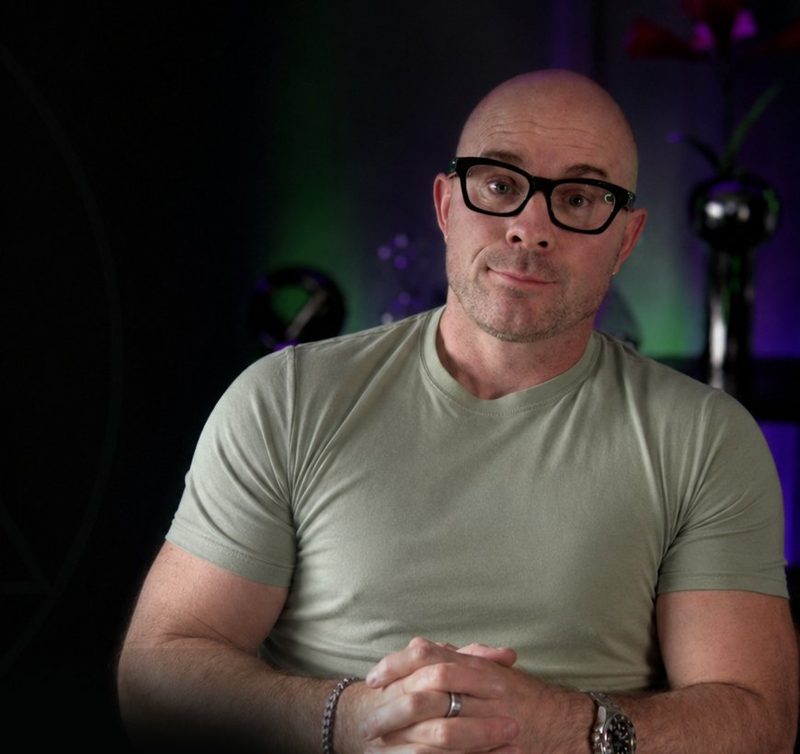
If you’ve tried to talk yourself out of this fear and it hasn’t worked, that isn’t a lack of willpower. A phobia is an alarm your mind learned, and logic alone rarely switches it off.
When I work with a fear of trains, I first work out which part is doing the damage. For some people it is feeling trapped between stops, for others it is the platform edge, the crowds or the noise of a passing train. Over Zoom, I use hypnotherapy and NLP to help you rehearse a train ride in your mind, from walking onto the platform to stepping off at the other end, while you feel calm and in charge. Many clients find that once the mind has made that ride many times in a relaxed state, the real one feels far more ordinary.
I’ve spent 17 years in clinical practice and helped more than 1,000 people with phobias. I hold a Postgraduate Certificate and a Postgraduate Diploma in Clinical Hypnotherapy, both with Distinction.
Common questions
Why do I feel trapped on trains but not on buses?
On a train you usually cannot get off until the next station, and tunnels or long gaps between stops can make that feeling stronger. For many people the fear is less about the train itself and more about not being in control of leaving.
Is a fear of trains linked to panic attacks?
Often, yes. Some people had a panic attack on a train once and now fear it happening again, which can keep them away from the railway altogether.
What is siderodromophobia?
It is an old name for a fear of trains or train travel. It is sometimes grouped with fears of other kinds of transport and can include fear of platforms, tunnels and crossings.
Is this the same as claustrophobia?
Not always. Some people fear being trapped on a train, others the platform edge, the noise or the crowds. Some have more than one. Working out which applies is part of how we plan the sessions.
How can you help?
I use hypnotherapy and NLP to change how your mind responds to the thing you fear, so the old alarm stops going off. Sessions are one to one over Zoom, and you get a recording of the hypnosis to listen to afterwards.
How many sessions will I need?
Many clients notice a real difference after one 90 minute session. If the fear goes back a long way, three sessions gives us room to make the change stick.
Further reading: Wikipedia: Fear of trains · NHS: Phobias · Mind: About phobias
Ready to start?
A short call is the simplest next step. We’ll talk about your fear, what you’d like to feel instead, and whether I’m the right person to help.
- Take the free test at the top of this page to see how strong your fear is.
- Book a 30 minute call. Use code PHOBIA at checkout for half price: £24.50 instead of £49 ($29.50 outside the UK).
- Start your sessions over Zoom from wherever you live, or face to face in Hertfordshire.
See all session options and prices