
Fear of travel (hodophobia)
En español: lee sobre este miedo en Fobias.org.
A fear of travel can show up on planes, trains, long car trips or even when you are just leaving the house. It can make holidays, work trips and family visits feel out of reach. It can be helped.
Many people find that with the right help, holidays, work trips and family visits become something to look forward to again.
Use code PHOBIA at checkout for half price: £24.50 instead of £49. Outside the UK? $29.50.
Understanding this fear
Hodophobia is a strong, lasting fear of travelling. For some people it is tied to one kind of transport, such as planes, trains, coaches or long car rides, while for others it is the whole idea of leaving home, being far from familiar places or not being able to get back easily. Ordinary travel nerves tend to settle once you are on your way, but with hodophobia the dread can start days or weeks before a trip and feel far bigger than the actual risk. Many people know the fear is out of proportion and still cannot switch it off.
Travel fear can affect anyone, and it often sits alongside related fears such as fear of flying, fear of driving or a fear of being trapped somewhere without an easy way out. It is usually understood as a situational type of specific phobia, and a clinician may need to check whether it is the main problem or part of wider anxiety. It can begin after one bad trip, after a run of worrying news stories about accidents or attacks, or build quietly over time as trips become rarer. The less someone travels, the bigger the next trip tends to feel.
Common triggers
- Booking or planning a trip
- Packing the night before
- Thinking about being far from home
- Crowded stations, terminals and platforms
- Delays, cancellations and last-minute changes
- News reports of crashes, disasters or attacks
- Unfamiliar languages or places
- Feeling unable to get off or turn back
- Long stretches with no stops
Where it shows up
- Airports and planes
- Railway stations and long train rides
- Coaches and buses
- Long motorway drives
- Ferries and boat crossings
- Hotels and unfamiliar accommodation
- Work trips and conferences away from home
- The front door on the day of departure
Symptoms
In your body
- Racing or pounding heart
- Churning stomach, nausea or needing the toilet
- Tight chest or shallow breathing
- Sweating and shaking
- Dizziness or feeling light-headed
- Headaches in the days before leaving
- Poor sleep the night before travel
In your mind
- What if something goes wrong and I cannot get home
- Dread that builds as the departure date gets closer
- Picturing accidents or disasters in vivid detail
- Feeling trapped once the doors close
- Worry about being ill or panicking in front of strangers
What you might do
- Turning down holidays, weddings and family visits
- Cancelling trips at the last minute
- Over-planning and checking every detail many times
- Only travelling with one particular person
- Sticking to one form of transport and refusing all others
- Using alcohol to get through a trip
What causes it
Travel fear often starts with a frightening experience, such as a rough flight, a breakdown, being stranded or a panic attack on a train, which teaches the brain to link travel with danger. It can also be learned more quietly, by growing up with a parent who dreaded trips or by taking in a steady stream of news about crashes, disasters and attacks. Some people seem more prone to it, especially those with a family history of anxiety, a strong need to feel in control or a love of routine. Big world events can make it worse, as many people noticed during and after the pandemic. Once the fear is in place, cancelling trips brings short-term relief, which tells the mind that travel really was dangerous and makes the next trip feel even harder.
How it can affect your life
A fear of travel can quietly shrink life. People miss holidays, family celebrations and visits to relatives who live far away, and may turn down jobs or promotions that involve travel. Partners and children can feel the strain when plans are always cut short or cancelled. Over time, the world can start to feel limited to a small, safe area around home, which can wear down confidence and mood.
Things that can help day to day
- Start with short, easy trips and build up gradually, staying with each step until it feels manageable
- Plan the practical details once, write them down, then stop rechecking
- Practise slow breathing with a longer out-breath before and during travel
- Cut back on caffeine on travel days and avoid using alcohol to cope
- If you drive, never push on while panicking, pull over somewhere safe and let it pass
When to get help
It is worth getting help if you are avoiding trips that matter to you, if the dread starts weeks ahead or if travel brings on panic attacks. If anxiety is affecting your daily life, or you have physical symptoms such as chest pain that worry you, see your GP first. They can check your health and talk through your options, and in England you can also refer yourself to NHS talking therapies.
How I can help
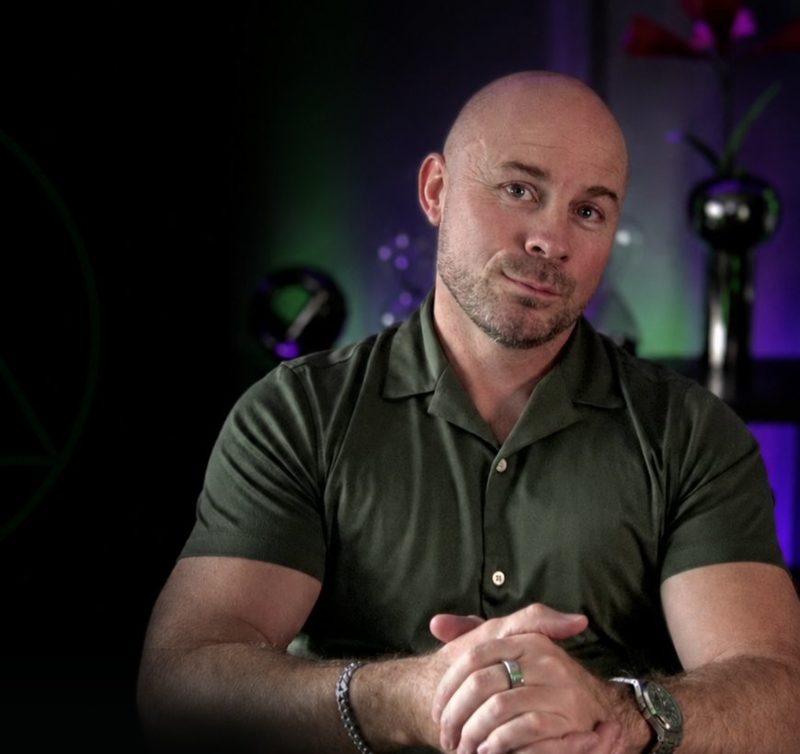
If you’ve tried to talk yourself out of this fear and it hasn’t worked, that isn’t a lack of willpower. A phobia is an alarm your mind learned, and logic alone rarely switches it off.
When I work with a fear of travel over Zoom, I first find out which part really matters to you, whether it is the transport, being far from home or feeling unable to get back. Using hypnotherapy and NLP, we rehearse the whole trip in your mind while you feel calm, from packing to arriving and coming home again. That gives your mind a new pattern to follow, so the alarm does not have to fire the moment you think about leaving. Many clients find that trips which felt impossible start to feel ordinary again.
I’ve spent 17 years in clinical practice and helped more than 1,000 people with phobias. I hold a Postgraduate Certificate and a Postgraduate Diploma in Clinical Hypnotherapy, both with Distinction.
Common questions
Is fear of travel the same as agoraphobia?
Not exactly. Agoraphobia is a fear of places or situations where escape or help might be hard, and travel is only one of these, whereas hodophobia centres on travel itself. The two can overlap, so it helps to talk through exactly what you avoid.
Why does my travel anxiety start days before the trip?
This is called anticipatory anxiety. Your mind runs through everything that might go wrong in advance, and each worried rehearsal makes the alarm stronger. Learning to rehearse the trip calmly instead is often a big part of the work.
Can I still go on holiday if I have a fear of travel?
Many people do, especially when they start with shorter, simpler trips and build up. Planning ahead, travelling with someone supportive and having a way to calm your body all help, and working on the fear itself makes bigger trips more realistic.
Is this the same as a fear of flying?
Not quite. Fear of flying is one particular fear, while a fear of travel can cover several kinds of transport, being away from home or not being able to get back. We find out which parts matter most to you.
How can you help?
I use hypnotherapy and NLP to change how your mind responds to the thing you fear, so the old alarm stops going off. Sessions are one to one over Zoom, and you get a recording of the hypnosis to listen to afterwards.
How many sessions will I need?
Many clients notice a real difference after one 90 minute session. If the fear goes back a long way, three sessions gives us room to make the change stick.
Further reading: Medical News Today: Travel anxiety · WebMD: Trip-a-phobia, fear of travel · Wikipedia: Hodophobia · NHS: Phobias
Ready to start?
A short call is the simplest next step. We’ll talk about your fear, what you’d like to feel instead, and whether I’m the right person to help.
- Take the free test at the top of this page to see how strong your fear is.
- Book a 30 minute call. Use code PHOBIA at checkout for half price: £24.50 instead of £49 ($29.50 outside the UK).
- Start your sessions over Zoom from wherever you live, or face to face in Hertfordshire.
See all session options and prices