
Fear of trees (dendrophobia)
En español: lee sobre este miedo en Fobias.org.
A fear of trees might seem surprising, but for some people tall trees, dense woodland or branches moving in the wind bring real unease. Dendrophobia can mean avoiding parks and country walks, or feeling tense during storms when trees sway and creak.
Many people find that with the right help, a walk in the woods or a windy day under tall trees becomes something to enjoy.
Use code PHOBIA at checkout for half price: £24.50 instead of £49. Outside the UK? $29.50.
About this phobia
The name comes from the Greek dendron, meaning tree. It is a rare term mentioned in lists of unusual fears rather than in clinical writing. It sits close to hylophobia, a fear of forests, and can be tied to worries about falling branches or getting lost in woods.
How it shows up
For someone with dendrophobia, trees are not a soothing part of the view. Tall trunks can seem to loom, bare branches can look like grasping arms and the creak of wood in the wind can feel like a warning. Some people fear trees falling or dropping branches, while others feel hemmed in or watched in thick woodland. The unease can even attach to a single tree outside a bedroom window.
Common triggers
- Branches swaying or creaking in wind
- Dense woodland with little light
- Fallen trees or snapped branches
- Trees close to houses or roads
- Gnarled or twisted shapes
- Spooky forest scenes in films
Where it shows up
- Parks and country walks
- Camping and outdoor holidays
- Stormy nights at home
- School trips and nature reserves
- Tree lined streets and gardens
Symptoms
In your body
- Racing heart
- Tense muscles
- Faster breathing
- Feeling chilled or shivery
- An urge to run
In your mind
- Fear of being hit by a falling branch
- Feeling trapped among trees
- A sense of being watched
- Imagining getting lost
What you might do
- Keeping to open spaces
- Avoiding parks and countryside
- Asking for trees near home to be cut back
- Checking the weather before going out
What may cause it
A storm that brought down a tree, an injury from a branch or getting lost in woods as a child can lie behind it. Folk tales, horror films and ghost stories often paint forests as menacing, which can shape fear from an early age. Avoiding trees keeps the fear going, because the mind never gets the chance to learn they are usually safe. Very little has been written about dendrophobia in clinical terms.
How it can affect your life
It can make it hard to enjoy green spaces, take children to the park or go on walking holidays. On windy days some people struggle to relax even indoors. Because trees line so many streets and gardens, the fear can feel hard to escape in ordinary life.
Related fears
- Fear of forests (hylophobia)
- Fear of the dark (nyctophobia)
- Fear of wind (ancraophobia)
- Fear of getting lost
Things that can help day to day
- Start with open parks where trees are well spaced and the sky is easy to see
- Look at photos of trees in calm, sunny settings and notice how your body responds
- Walk in woodland with a companion on clear, marked paths, for short spells at first
- On windy days, focus on slow breathing and steady tasks indoors
When to get help
If the fear keeps you from going outdoors or disturbs your sleep during storms, a GP or phobia specialist can help. If a tree near your home genuinely worries you, a qualified tree surgeon can check it.
Explore more unusual fears in the rare phobias A to Z, or browse the common phobias.
About me
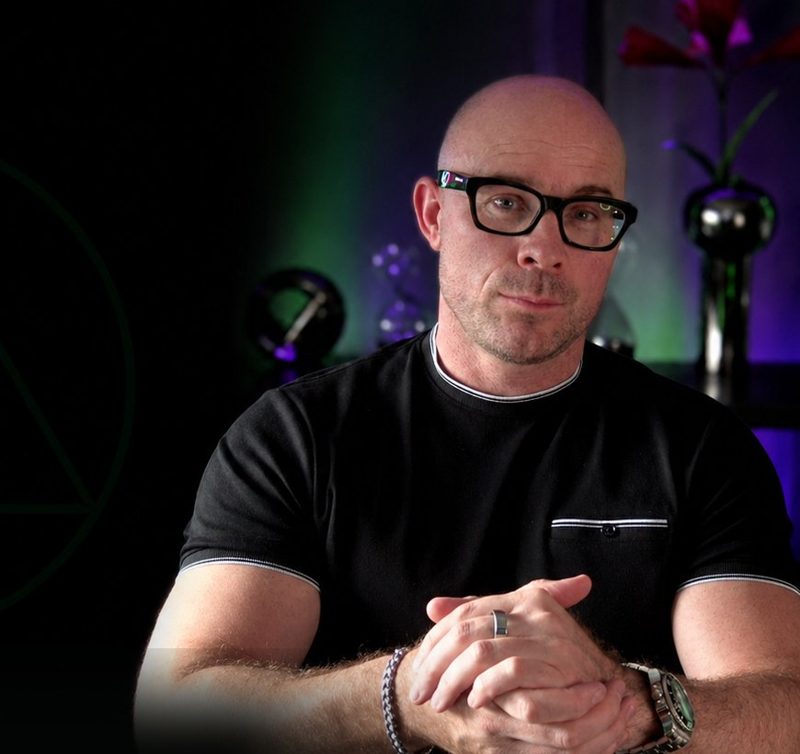
If you’ve tried to talk yourself out of this fear and it hasn’t worked, that isn’t a lack of willpower. A phobia is an alarm your mind learned, and logic alone rarely switches it off.
When a fear is less common, it can be harder to explain, so you may not have told many people about it. I work one to one over Zoom with people whose fears are holding them back, including rarer ones like this, and every plan starts with understanding what your fear is really about.
I’ve spent 17 years in clinical practice and helped more than 1,000 people with phobias. I hold a Postgraduate Certificate and a Postgraduate Diploma in Clinical Hypnotherapy, both with Distinction, and journalists and clients call me the Phobia Guru.
Common questions
Why would someone be scared of trees?
It often links to something specific, such as a storm, a falling branch or getting lost in woodland as a child. For others it is the sense of being hemmed in by trees, or their size and sound in the wind. Knowing what the fear centres on can make it easier to tackle.
How can you help?
I use hypnotherapy and NLP to change how your mind responds to the thing you fear, so the old alarm stops going off. Sessions are one to one over Zoom, and you get a recording of the hypnosis to listen to afterwards.
How many sessions will I need?
Many clients notice a real difference after one 90 minute session. If the fear goes back a long way, three sessions gives us room to make the change stick.
Further reading: Dendrophobia (Fear of Trees), Cleveland Clinic · Dendrophobia: The Fear of Trees, University of Kentucky Tree Talk
Ready to start?
A short call is the simplest next step. We’ll talk about your fear, what you’d like to feel instead, and whether I’m the right person to help.
- Take the free test at the top of this page to see how strong your fear is.
- Book a 30 minute call. Use code PHOBIA at checkout for half price: £24.50 instead of £49 ($29.50 outside the UK).
- Start your sessions over Zoom from wherever you live, or face to face in Hertfordshire.
See all session options and prices