
Fear of trichinosis (trichinophobia)
Trichinophobia is a fear of trichinosis, an infection caused by tiny roundworms usually picked up from undercooked meat such as pork or wild game. The fear may lead someone to avoid meat, overcook food, or worry after eating out. Anyone with symptoms that concern them should speak to a GP.
You can cook meat sensibly without the worry running your days. Many people find that with the right help, mealtimes feel relaxed again.
Use code PHOBIA at checkout for half price: £24.50 instead of £49. Outside the UK? $29.50.
About this phobia
The name comes from Trichinella, the group of worms behind the infection, which is also called trichinellosis. The infection is real but rare in the UK. The phobia term appears mainly on lists, and the fear usually fits within wider food safety worries, health anxiety or a fear of parasites.
How it shows up
Taking care over how meat is cooked is sensible, and the infection behind this fear is real. With trichinophobia, though, worry about tiny worms in food can grow into a constant fear that spoils meals and leaves little room for enjoying them. Some people check food over and over or feel unable to eat anything cooked by others. Unlike ordinary food safety care, the fear stays even when food has been properly cooked and the actual risk is very low.
Common triggers
- Pork, sausages and cured meats
- Wild game
- Pink or rare meat
- Barbecues where cooking is uncertain
- Articles about parasites in food
- Muscle aches after a meal
- Homemade or farm-sourced meat
Where it shows up
- Restaurants and takeaways
- Family barbecues
- Holidays with unfamiliar food
- Butchers and deli counters
- Dinner at friends’ homes
- School or work canteens
Symptoms
In your body
- Nausea when meat is served
- Tense stomach
- Racing heart after eating
- Feeling shaky
- Loss of appetite during anxious spells
In your mind
- Worry about worms in the body
- Doubting how food was cooked
- Checking for symptoms after meals
- Strong disgust
What you might do
- Avoiding meat entirely
- Overcooking food at home
- Questioning hosts or staff about food
- Refusing invitations that involve food
What may cause it
Trichinophobia has very little research of its own, so it is usually understood as part of food safety worry, parasite fears or health anxiety. Learning about the infection, a bout of food poisoning or graphic images can be enough to start it. Disgust plays a large part, and it can be triggered by thought alone. Checking and avoiding then bring relief that keeps the fear going, and the list of foods that feel risky can slowly grow.
How it can affect your life
The fear can make eating out and social meals stressful and may narrow the range of foods a person feels safe with. It can also lead to tension with family members who cook. Some people also feel embarrassed about how big the worry has become, which makes it harder to talk about.
Related fears
- Fear of parasites (parasitophobia)
- Fear of food (cibophobia)
- Fear of germs (mysophobia)
- Health anxiety
Things that can help day to day
- Follow standard food safety guidance and then stop checking
- Remind yourself the infection is rare in the UK
- Eat with people you trust when you feel anxious
- Notice disgust and let it ease without acting on it
When to get help
Speak to a GP about any symptoms that worry you, and also if you are eating much less than usual or losing weight. A GP or therapist can help if the fear is taking over mealtimes.
Explore more unusual fears in the rare phobias A to Z, or browse the common phobias.
About me
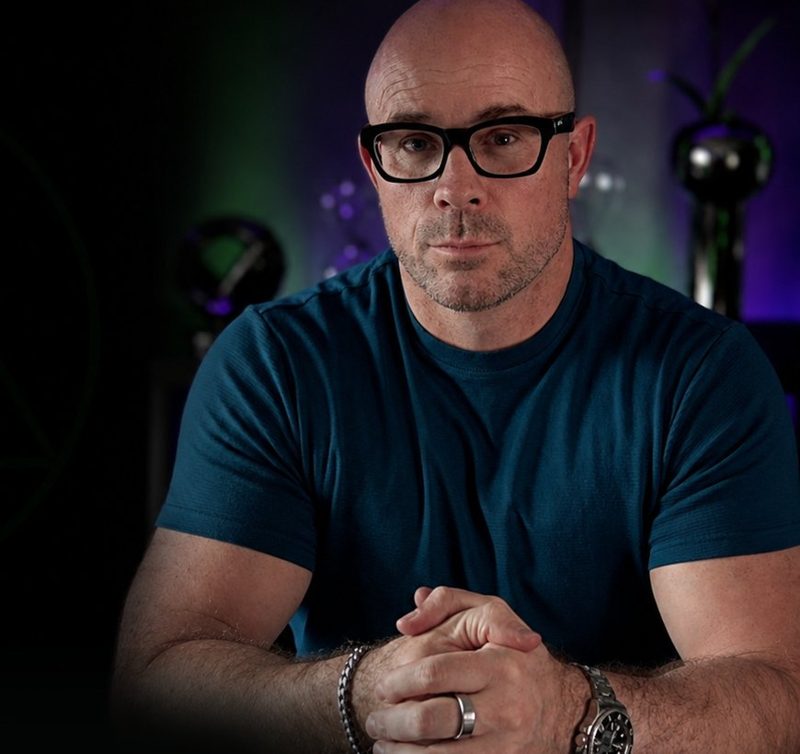
If you’ve tried to talk yourself out of this fear and it hasn’t worked, that isn’t a lack of willpower. A phobia is an alarm your mind learned, and logic alone rarely switches it off.
When a fear is less common, it can be harder to explain, so you may not have told many people about it. I work one to one over Zoom with people whose fears are holding them back, including rarer ones like this, and every plan starts with understanding what your fear is really about.
I’ve spent 17 years in clinical practice and helped more than 1,000 people with phobias. I hold a Postgraduate Certificate and a Postgraduate Diploma in Clinical Hypnotherapy, both with Distinction, and journalists and clients call me the Phobia Guru.
Common questions
Should I stop eating meat because of trichinosis?
Cooking meat thoroughly and following normal food hygiene is the usual advice, and the infection is rare in the UK. If the fear means eating much less or losing weight, speak to a GP, who can also check any symptoms.
How can you help?
I use hypnotherapy and NLP to change how your mind responds to the thing you fear, so the old alarm stops going off. Sessions are one to one over Zoom, and you get a recording of the hypnosis to listen to afterwards.
How many sessions will I need?
Many clients notice a real difference after one 90 minute session. If the fear goes back a long way, three sessions gives us room to make the change stick.
Further reading: CDC: About trichinellosis · NHS: Food poisoning · NHS: Health anxiety
Ready to start?
A short call is the simplest next step. We’ll talk about your fear, what you’d like to feel instead, and whether I’m the right person to help.
- Take the free test at the top of this page to see how strong your fear is.
- Book a 30 minute call. Use code PHOBIA at checkout for half price: £24.50 instead of £49 ($29.50 outside the UK).
- Start your sessions over Zoom from wherever you live, or face to face in Hertfordshire.
See all session options and prices