
Fear of tyrants (tyrannophobia)
Tyrannophobia is a fear of tyrants, meaning people who rule or control others harshly. It might show up as strong anxiety about authoritarian leaders in the news, or as fear of controlling figures closer to home, such as a domineering boss.
Many people find that with the right help, they can stand up to controlling people and feel safe in their own choices.
Use code PHOBIA at checkout for half price: £24.50 instead of £49. Outside the UK? $29.50.
About this phobia
The name comes from the Greek tyrannos, the source of the English word tyrant. It is a rarely reported term found mainly on lists. The fear can overlap with fear of authority figures and with anxiety fed by distressing news.
How it shows up
Feeling uneasy about harsh leaders or bullying bosses is a normal response to real threats. With tyrannophobia the anxiety becomes overwhelming, with constant worry about authoritarian rule, oppressive figures or being controlled. For some it centres on world events and the news, while for others it is someone at home or at work who dominates and leaves little room to speak. It differs from political concern or dislike because it causes ongoing fear and leaves people feeling powerless and watchful even in safe settings.
Common triggers
- News about dictators or crackdowns
- Domineering bosses or managers
- Raised voices and orders
- Films or books about oppressive regimes
- Strict rules enforced harshly
- Feeling watched or monitored
- Being made to obey without explanation
Where it shows up
- Workplaces with harsh managers
- Online news and social media
- Schools or institutions with strict discipline
- Homes where one person controls others
- Official buildings
- Political events and protests
Symptoms
In your body
- Tense shoulders and jaw
- Racing heart
- Knotted stomach
- Disturbed sleep
- Feeling jumpy
In your mind
- Feeling powerless
- Imagining the worst outcomes
- Watching closely for signs of control
- Trouble switching off from the news
What you might do
- Avoiding conflict at all costs
- Checking the news constantly
- Keeping quiet to stay safe
- Steering clear of authority figures
What may cause it
Tyrannophobia is not studied as a separate fear, but anxiety about authority and powerlessness is well understood. Living under a harsh regime, being bullied or growing up with a controlling parent can all leave a lasting fear of tyrants. Constant news coverage can keep the fear active. Keeping quiet and avoiding authority may feel safer, but it can leave people feeling more powerless over time.
How it can affect your life
The fear can affect work, relationships and sleep, and lead people to avoid conflict even when they need to speak up. Constant news watching can add to stress and make it hard to rest. Some people find it hard to trust any leader or manager, even fair ones.
Related fears
- Fear of authority figures
- Fear of conflict
- Fear of being controlled
- Social anxiety
Things that can help day to day
- Set limits on news and social media
- Talk with someone you trust
- Focus on what you can change
- Use slow breathing to calm the body
When to get help
If the fear is affecting sleep, work or relationships, talk to your GP or a therapist. If it is linked to past mistreatment or someone controlling you now, a GP or specialist counsellor can help you find support.
Explore more unusual fears in the rare phobias A to Z, or browse the common phobias.
About me
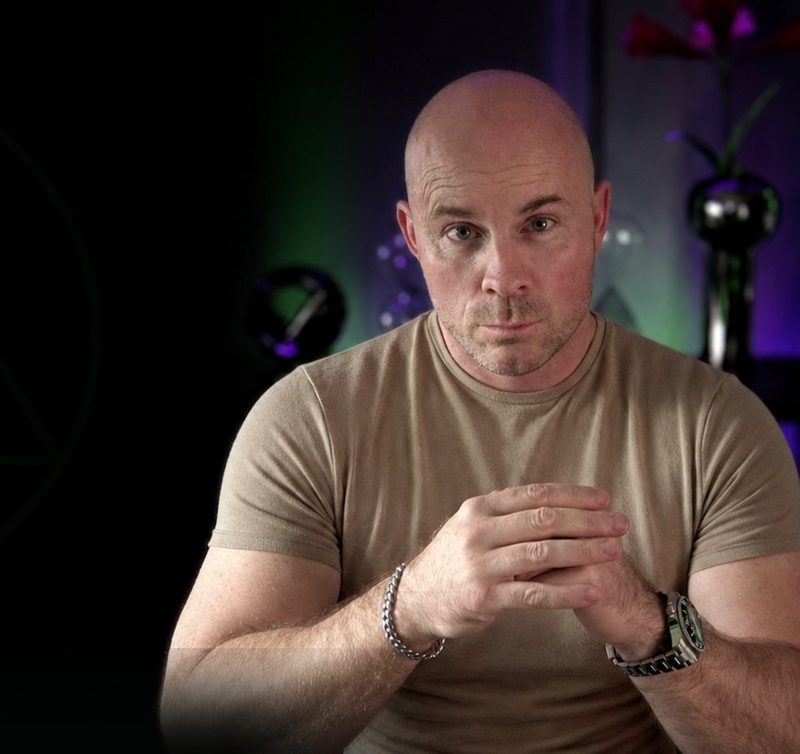
If you’ve tried to talk yourself out of this fear and it hasn’t worked, that isn’t a lack of willpower. A phobia is an alarm your mind learned, and logic alone rarely switches it off.
When a fear is less common, it can be harder to explain, so you may not have told many people about it. I work one to one over Zoom with people whose fears are holding them back, including rarer ones like this, and every plan starts with understanding what your fear is really about.
I’ve spent 17 years in clinical practice and helped more than 1,000 people with phobias. I hold a Postgraduate Certificate and a Postgraduate Diploma in Clinical Hypnotherapy, both with Distinction, and journalists and clients call me the Phobia Guru.
Common questions
Can fear of controlling people come from past experiences?
It often can. Living or working under someone harsh or controlling can leave a lasting sense of threat around similar people. If the fear is linked to past mistreatment, a GP or specialist counsellor can help, and limiting distressing news may also ease day to day anxiety.
How can you help?
I use hypnotherapy and NLP to change how your mind responds to the thing you fear, so the old alarm stops going off. Sessions are one to one over Zoom, and you get a recording of the hypnosis to listen to afterwards.
How many sessions will I need?
Many clients notice a real difference after one 90 minute session. If the fear goes back a long way, three sessions gives us room to make the change stick.
Further reading: NHS: Social anxiety · NHS: Phobias · Mind: Understanding phobias
Ready to start?
A short call is the simplest next step. We’ll talk about your fear, what you’d like to feel instead, and whether I’m the right person to help.
- Take the free test at the top of this page to see how strong your fear is.
- Book a 30 minute call. Use code PHOBIA at checkout for half price: £24.50 instead of £49 ($29.50 outside the UK).
- Start your sessions over Zoom from wherever you live, or face to face in Hertfordshire.
See all session options and prices