
Fear of ugliness (cacophobia)
Cacophobia is a fear of ugliness, whether in other people, in objects and places, or in yourself. It can show up as strong distress around things that seem broken, spoiled or unpleasant to look at. When it is mostly about your own appearance, it may lead to long spells in front of the mirror or avoiding being seen.
Many people find that with the right help, they feel more at ease with themselves and the world around them, flaws and all.
Use code PHOBIA at checkout for half price: £24.50 instead of £49. Outside the UK? $29.50.
About this phobia
The word comes from the Greek kakos, meaning bad, which also gives us cacophony. It is rare in clinical writing and also goes by the name aschimophobia. When the worry centres on your own looks, it can overlap with body dysmorphic disorder, which is a recognised condition.
How it shows up
Cacophobia can take quite different shapes. Some people feel real distress around things that look broken, decaying or disordered, while others react strongly to features they find ugly in people. When the focus is on your own looks, the fear can be intense, with hours spent checking, comparing or hiding. What marks it out from simply having tastes is the panic and avoidance it brings.
Common triggers
- Your own reflection or photos
- Things that look damaged, rotten or decaying
- Run-down or messy buildings
- Unusual features or marks on faces
- Comments about appearance
- Images of disfigurement in films
- Ageing skin or wrinkles
Where it shows up
- Mirrors and changing rooms
- Social media and photo apps
- Hospitals and care settings
- Derelict or run-down areas
- Parties where photos are taken
- Hairdressers and beauty salons
Symptoms
In your body
- Feeling sick or shaky
- Racing heart
- Tense jaw and shoulders
- Hot, flushed face
- Trouble sleeping after a trigger
In your mind
- Fixed thoughts about what looks wrong
- Feeling repelled or ashamed
- Worry that others are judging looks
- Comparing your looks with others
What you might do
- Checking or avoiding mirrors
- Covering up or using heavy make-up
- Avoiding photos and video calls
- Steering clear of places that seem ugly
What may cause it
There is very little research on cacophobia as a stand-alone fear. Strong reactions to ugliness may come from upbringing, a frightening experience or a natural sensitivity to disorder. When the worry centres on your own appearance, it often overlaps with body dysmorphic disorder, where a person becomes preoccupied with a flaw that others barely notice. Constant checking, comparing and hiding tend to keep the fear going rather than easing it.
How it can affect your life
Mirror checking and avoiding photos can eat into time and confidence. People may shy away from dating, work events or even leaving the house, and some feel deeply ashamed without telling anyone. Close relationships can suffer when a partner does not understand why certain sights or settings are so upsetting.
Related fears
- Worry about a flaw in your looks (body dysmorphic disorder)
- Fear of being looked at (scopophobia)
- Fear of being judged (social anxiety)
Things that can help day to day
- Set a limit on mirror checks and time spent on photos
- Take breaks from apps that focus on looks
- Ask what you would say to a friend when a harsh thought about appearance comes up
- Spend time on activities that have nothing to do with how things look
When to get help
If worries about your own appearance take up a lot of each day or make you avoid people, speak to your GP, as body dysmorphic disorder is treatable. If you are feeling very low, tell your GP or someone you trust.
Explore more unusual fears in the rare phobias A to Z, or browse the common phobias.
About me
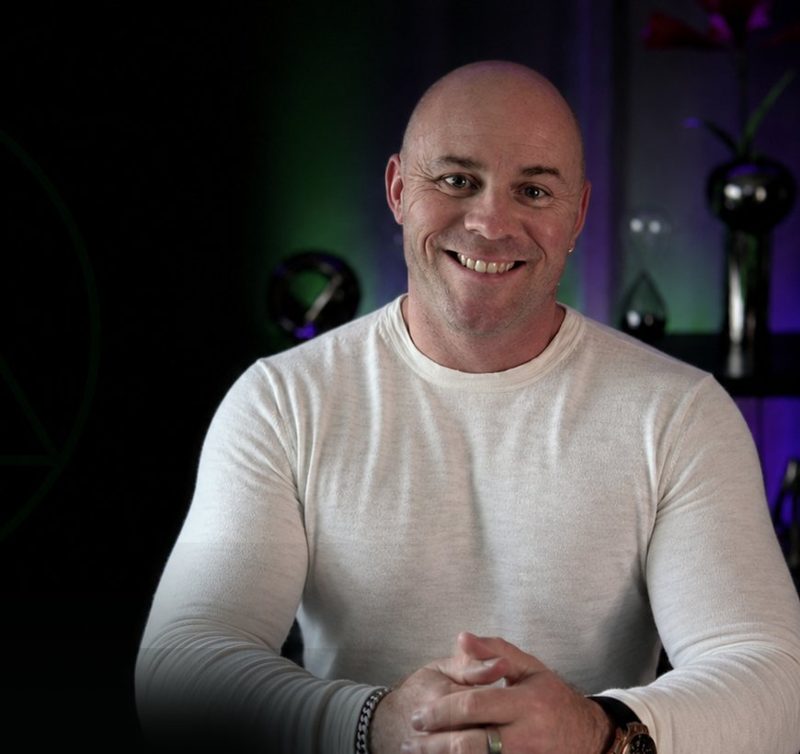
If you’ve tried to talk yourself out of this fear and it hasn’t worked, that isn’t a lack of willpower. A phobia is an alarm your mind learned, and logic alone rarely switches it off.
When a fear is less common, it can be harder to explain, so you may not have told many people about it. I work one to one over Zoom with people whose fears are holding them back, including rarer ones like this, and every plan starts with understanding what your fear is really about.
I’ve spent 17 years in clinical practice and helped more than 1,000 people with phobias. I hold a Postgraduate Certificate and a Postgraduate Diploma in Clinical Hypnotherapy, both with Distinction, and journalists and clients call me the Phobia Guru.
Common questions
Is cacophobia the same as body dysmorphia?
Not exactly. Cacophobia is a broad fear of ugliness, while body dysmorphic disorder is a recognised condition where someone is preoccupied with flaws in their own appearance that others barely notice. If worry about your looks is taking up a lot of time, a GP is a good first step.
How can you help?
I use hypnotherapy and NLP to change how your mind responds to the thing you fear, so the old alarm stops going off. Sessions are one to one over Zoom, and you get a recording of the hypnosis to listen to afterwards.
How many sessions will I need?
Many clients notice a real difference after one 90 minute session. If the fear goes back a long way, three sessions gives us room to make the change stick.
Further reading: Body dysmorphic disorder (NHS)
Ready to start?
A short call is the simplest next step. We’ll talk about your fear, what you’d like to feel instead, and whether I’m the right person to help.
- Take the free test at the top of this page to see how strong your fear is.
- Book a 30 minute call. Use code PHOBIA at checkout for half price: £24.50 instead of £49 ($29.50 outside the UK).
- Start your sessions over Zoom from wherever you live, or face to face in Hertfordshire.
See all session options and prices