
Fear of undressing in front of others (dishabiliophobia)
Dishabiliophobia is a fear of undressing in front of someone. It can make changing rooms, gym showers, medical examinations and intimate moments feel very stressful, and some people go to great lengths to avoid being seen without clothes.
Many people find that with the right help, changing rooms, medical checks and closeness feel more comfortable.
Use code PHOBIA at checkout for half price: £24.50 instead of £49. Outside the UK? $29.50.
About this phobia
The name is based on the French word for being in a state of undress. It is a rare term found mostly on lists. It overlaps with body image worries, shyness and gymnophobia, a fear of nudity.
How it shows up
Dishabiliophobia can range from mild unease in shared changing rooms to intense dread at the thought of anyone seeing you without clothes. People may change in toilet cubicles, wear swimwear under their clothes or avoid anything that involves getting changed, even when it means missing out. Medical appointments can be especially hard, and some people put off checks they know they need. The fear is about being seen and exposed, rather than the ordinary modesty most people feel.
Common triggers
- Shared changing rooms
- Medical examinations
- Intimate moments with a partner
- School PE or swimming lessons
- Communal showers
- Sharing a hotel room
- Bra fittings or being measured for clothes
Where it shows up
- Gyms and swimming pools
- GP surgeries and hospitals
- Clothes shop fitting rooms
- Spas and holidays
- Sports clubs
- Hospital wards and gowns
Symptoms
In your body
- Racing heart
- Hot face and blushing
- Trembling
- Tense muscles
- Shallow breathing
In your mind
- Fear of being judged
- Shame about the body
- Feeling exposed and unsafe
- Worry about being looked at
What you might do
- Changing in private cubicles
- Avoiding swimming and sport
- Putting off medical checks
- Keeping clothes on during intimacy
What may cause it
Body image worries, teasing or embarrassment in childhood and strict messages about modesty can all play a part. For some people the fear is linked to past mistreatment or a time when their privacy was not respected. Avoidance keeps the fear going and can make undressing feel an ever bigger hurdle, as there is no chance to learn that others are rarely paying attention. There is very little research on dishabiliophobia itself, though it overlaps with social anxiety and body image concerns, which are well studied.
How it can affect your life
It can lead people to skip exercise, swimming and medical checks they need. It may also affect intimacy and closeness in relationships. Holidays, spa days and hospital stays can be dreaded long in advance.
Related fears
- Fear of nudity (gymnophobia)
- Fear of being looked at (scopophobia)
- Social anxiety
- Fear of intimacy
Things that can help day to day
- Ask for a chaperone at medical examinations, which you are entitled to request
- Use private cubicles while you build confidence, then try shorter changes in shared spaces
- Wear layers that make changing quicker and easier
- Talk to a partner about what helps you feel safe, such as low light or going slowly
When to get help
If the fear is stopping you from having medical checks, tell your GP, who can make adjustments. If it is linked to past mistreatment, a GP or specialist counsellor can help you find the right support.
Explore more unusual fears in the rare phobias A to Z, or browse the common phobias.
About me
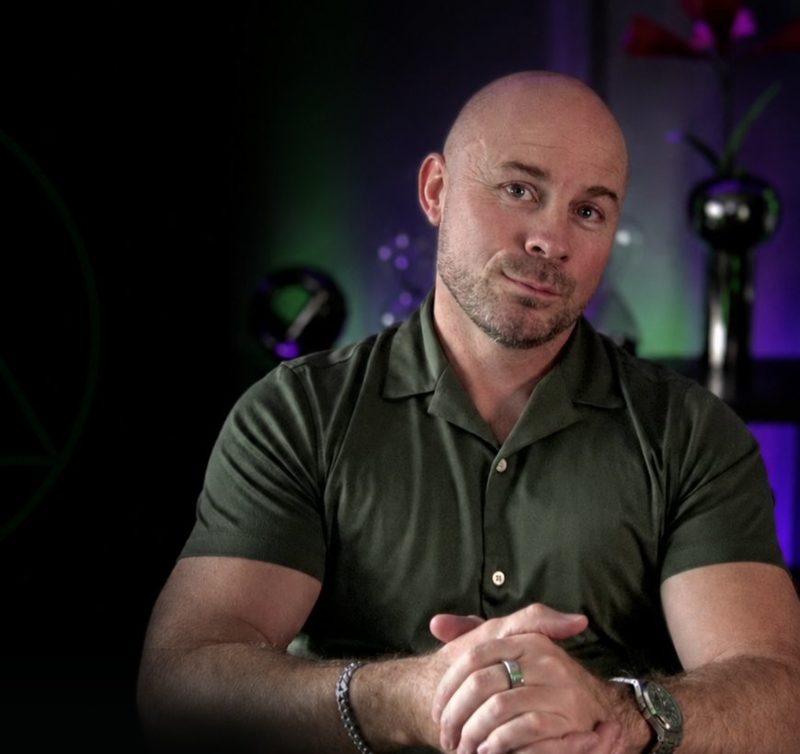
If you’ve tried to talk yourself out of this fear and it hasn’t worked, that isn’t a lack of willpower. A phobia is an alarm your mind learned, and logic alone rarely switches it off.
When a fear is less common, it can be harder to explain, so you may not have told many people about it. I work one to one over Zoom with people whose fears are holding them back, including rarer ones like this, and every plan starts with understanding what your fear is really about.
I’ve spent 17 years in clinical practice and helped more than 1,000 people with phobias. I hold a Postgraduate Certificate and a Postgraduate Diploma in Clinical Hypnotherapy, both with Distinction, and journalists and clients call me the Phobia Guru.
Common questions
Why do I feel panicky undressing in front of others?
For many people it is linked to body image, shyness or a strong sense of privacy. For some, it may relate to past experiences where they did not feel safe. If that is the case, a GP or a specialist counsellor can help, gently and at your own pace.
How can you help?
I use hypnotherapy and NLP to change how your mind responds to the thing you fear, so the old alarm stops going off. Sessions are one to one over Zoom, and you get a recording of the hypnosis to listen to afterwards.
How many sessions will I need?
Many clients notice a real difference after one 90 minute session. If the fear goes back a long way, three sessions gives us room to make the change stick.
Further reading: NHS: Social anxiety · NHS: Body dysmorphic disorder · NHS: Phobias
Ready to start?
A short call is the simplest next step. We’ll talk about your fear, what you’d like to feel instead, and whether I’m the right person to help.
- Take the free test at the top of this page to see how strong your fear is.
- Book a 30 minute call. Use code PHOBIA at checkout for half price: £24.50 instead of £49 ($29.50 outside the UK).
- Start your sessions over Zoom from wherever you live, or face to face in Hertfordshire.
See all session options and prices