
Fear of vaccines (vaccinophobia)
En español: lee sobre este miedo en Fobias.org.
A fear of vaccination can show up when an appointment letter arrives, when you see the needle or when you sit in the waiting room. It can be helped, so the appointment feels more manageable.
Many people find that with the right help, they can sit in the waiting room calmly and have the vaccination they decided to have.
Use code PHOBIA at checkout for half price: £24.50 instead of £49. Outside the UK? $29.50.
Understanding this fear
Vaccinophobia is a strong fear of having a vaccination. For most people it centres on the injection itself, such as the needle, the sharp scratch or the worry of fainting, rather than on the vaccine. It is different from vaccine hesitancy, which is a decision about whether to have one, because with this fear you may want the vaccine but feel unable to face the appointment. Please keep talking to your GP or nurse about your vaccinations.
Fear of needles and injections is common. An NHS mental health trust leaflet describes needle phobia as affecting at least one person in ten, and a large University of Oxford survey in 2021 suggested that around a quarter of UK adults may have some degree of injection fear. The same research found that people with these fears were more likely to put off vaccination. It often begins in childhood, sometimes after painful or frightening medical procedures, and it tends to run in families.
Common triggers
- An appointment letter, text or reminder arriving
- Booking the appointment by phone or online
- The smell of antiseptic in a clinic
- Rolling up your sleeve
- Seeing the needle or syringe being prepared
- The cold wipe on your arm just before
- Watching someone else have an injection
- Pictures of needles in the news or adverts
- Hearing a child cry in the waiting room
Where it shows up
- GP surgeries and practice nurse rooms
- Pharmacy vaccination clinics
- Large vaccination centres and pop up clinics
- School vaccination sessions
- Travel clinics before a holiday
- Workplace flu jab days
- Antenatal and baby clinics
Symptoms
In your body
- Racing heart that then drops suddenly
- Feeling faint, light-headed or going pale
- Sweating or feeling clammy
- Nausea or a churning stomach
- Shaking hands and tense muscles
- Tight chest or quick breathing
In your mind
- I am going to faint in front of everyone
- The needle will hurt more than I can bear
- The staff will think I am being silly
- Dread that grows from the day the letter arrives
- Embarrassment about being an adult with this fear
What you might do
- Putting off booking or missing appointments
- Cancelling at the last minute
- Looking away or covering your eyes
- Asking again and again how long it will take
- Avoiding travel that needs vaccinations
- Not mentioning the fear to staff out of embarrassment
What causes it
Many people trace the fear back to childhood, perhaps to a painful jab, being held still or lots of blood tests and hospital visits. Others learned it by watching a parent or sibling react with fear. Needle and injection fears belong to a group of phobias that seem to run strongly in families, and people with them often have a body that tends to faint around needles or blood. In that response, heart rate and blood pressure rise and then fall quickly, which can leave you woozy or make you pass out, and once that has happened the fear of fainting again can become as big as the fear of the needle. Putting off appointments brings short term relief, but it teaches your mind that the jab really is something to escape.
How it can affect your life
This fear can lead people to delay or miss vaccinations they would like to have, including those for travel, pregnancy or work. Some feel ashamed and keep it secret, which makes each appointment harder. It can also make other health care feel daunting, such as blood tests or dental injections. Parents with the fear may worry about passing it on when they take their children for their own vaccinations.
Things that can help day to day
- Tell the nurse or pharmacist about your fear when you book and again when you arrive
- Ask if you can lie down or recline, especially if you have fainted before
- If you tend to feel faint, ask staff about applied tension, a simple muscle tensing method many people find useful
- Rehearse a slow, steady breathing pattern for a few days beforehand so it feels familiar
- Plan something pleasant for straight afterwards to give yourself something to look forward to
When to get help
It is worth getting help if the fear means you keep putting off vaccinations, blood tests or other care, or if you have fainted or panicked at past appointments. Your GP or practice nurse is the first person to speak to, both about your vaccinations and about the anxiety itself, and they can tell you what extra support is available. Please do not let the fear stop you having that conversation.
How I can help
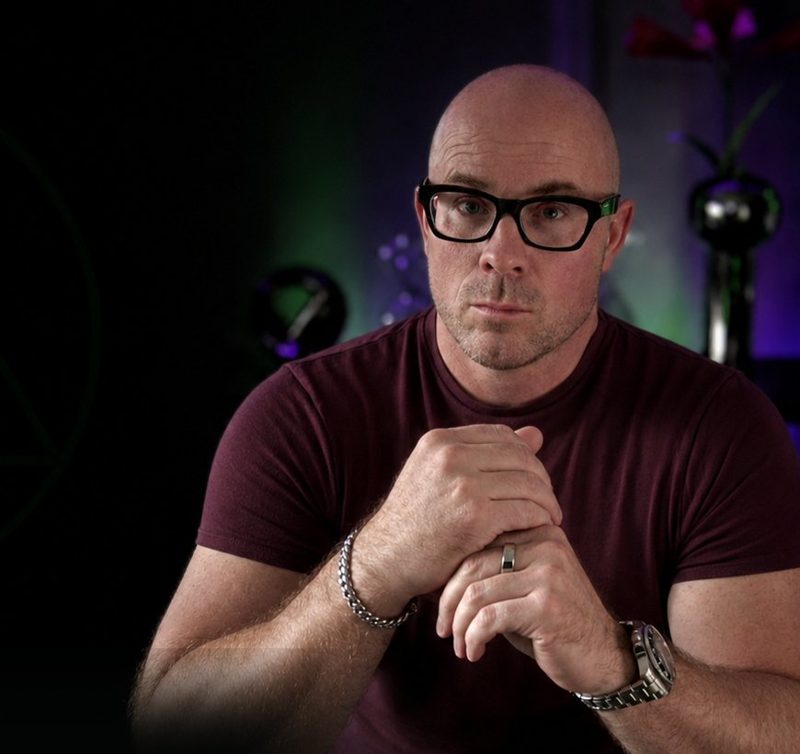
If you’ve tried to talk yourself out of this fear and it hasn’t worked, that isn’t a lack of willpower. A phobia is an alarm your mind learned, and logic alone rarely switches it off.
Over Zoom, we begin by unpicking what the dread is really attached to, whether that is the needle, the faint feeling, being watched or an old memory from childhood. With hypnotherapy and NLP, we then rehearse the appointment step by step in your mind, from walking into the clinic to rolling up your sleeve and walking out afterwards, while your body stays calm. Over time that rehearsal softens the reflex that used to kick in at the sight of the letter or the needle. Many clients find they can book and attend appointments with far less dread, and I always encourage you to keep your GP or nurse informed.
I’ve spent 17 years in clinical practice and helped more than 1,000 people with phobias. I hold a Postgraduate Certificate and a Postgraduate Diploma in Clinical Hypnotherapy, both with Distinction.
Please note: This is about anxiety around the injection, so please keep talking to your GP or nurse about your vaccinations.
Common questions
Is a fear of vaccines the same as being anti-vaccine?
No. Many people with this fear fully intend to be vaccinated but struggle with the injection itself. It is an anxiety problem, not a view about vaccines, and it can be helped.
Why do I feel faint when I have an injection?
Some people have a natural reflex where heart rate and blood pressure rise and then drop quickly around needles or blood, which can make them feel faint. Staff see this often and know how to help. Tell them beforehand so you can lie down, and speak to your GP if fainting worries you.
Should I tell the nurse I am scared?
Yes, please do. Nurses and pharmacists help nervous people all the time and will not judge you. They can talk you through it, chat to distract you and make sure you are comfortable.
Is this the same as being against vaccines?
No. Vaccine hesitancy is a decision about whether to have one. Vaccinophobia is a fear response, such as panic at the thought of the needle or the appointment. I work with the fear, not with your medical choices.
How can you help?
I use hypnotherapy and NLP to change how your mind responds to the thing you fear, so the old alarm stops going off. Sessions are one to one over Zoom, and you get a recording of the hypnosis to listen to afterwards.
How many sessions will I need?
Many clients notice a real difference after one 90 minute session. If the fear goes back a long way, three sessions gives us room to make the change stick.
Further reading: Leicestershire Partnership NHS Trust: Overcoming your fear of needles · University of Oxford: Needle fears and vaccine hesitancy · Wikipedia: Blood-injection-injury type phobia · NHS: Phobias
Ready to start?
A short call is the simplest next step. We’ll talk about your fear, what you’d like to feel instead, and whether I’m the right person to help.
- Take the free test at the top of this page to see how strong your fear is.
- Book a 30 minute call. Use code PHOBIA at checkout for half price: £24.50 instead of £49 ($29.50 outside the UK).
- Start your sessions over Zoom from wherever you live, or face to face in Hertfordshire.
See all session options and prices