
Fear of vacuum cleaners (zuigerphobia)
Zuigerphobia is listed as a fear of vacuum cleaners. It might mean leaving the room when the hoover comes out, covering the ears at the noise, or feeling uneasy around the hose and its pull.
The hoover can become just another everyday sound. Many people find that with the right help, they can stay in the room and get on with things.
Use code PHOBIA at checkout for half price: £24.50 instead of £49. Outside the UK? $29.50.
About this phobia
The term was found on one list only, with no documentation behind it. The name may borrow from Dutch, where stofzuiger means vacuum cleaner. A fear of loud or sudden noises is far better known, and many young children and pets are startled by vacuum cleaners.
How it shows up
Lots of people dislike the noise of a hoover, but a genuine fear involves real panic: jumping when it is switched on, covering the ears, or leaving the house when cleaning starts. In young children it is very common and usually fades with age, but for some it carries on into adult life. Some people fear the noise, others the pull of the hose or the way the machine moves about. That strength of reaction marks it out from simple dislike.
Common triggers
- The roar of a vacuum being switched on
- Sudden changes in pitch or volume
- The pull of the hose
- Robot vacuums moving around
- Hand held vacuums close to the body
- Hand dryers and similar machines
Where it shows up
- Home on cleaning days
- Hotels when cleaners come round
- Offices after hours
- Petrol stations with vacuum points
- Shops and cinemas at closing time
- Hairdressers and barbers using clippers or dryers
Symptoms
In your body
- Startle jump
- Covering the ears
- Racing heart
- Tense muscles
- Crying in young children
In your mind
- Dread when cleaning starts
- Fear of being pulled in or touched by the hose
- Feeling on edge
- Worry about when the noise will start
What you might do
- Leaving the room
- Asking others to vacuum while you are out
- Avoiding robot vacuums
- Wearing headphones at home
What may cause it
There is no research on a fear of vacuum cleaners as such. A fear of loud or sudden noises is well known and often starts in early childhood, when a vacuum can seem like a big, loud and unpredictable creature. Some people are naturally more sensitive to sound than others. Avoiding the noise brings relief but can keep the fear going.
How it can affect your life
This fear can make cleaning, staying in hotels or visiting other homes stressful. Parents of an affected child may need to plan cleaning around them. Some people also steer clear of hand dryers, which can make public toilets uncomfortable too.
Related fears
- Fear of loud noises (phonophobia)
- Strong reactions to certain sounds (misophonia)
- Fear of machines (mechanophobia)
- Fear of sudden bangs such as balloons popping (ligyrophobia)
Things that can help day to day
- Look at the vacuum while it is switched off and unplugged
- Listen to recordings of a vacuum at low volume, turning it up slowly over several days
- Wear ear defenders while building confidence
- Let a child press the switch themselves so they feel in control
When to get help
If a fear of noise or machines causes distress or affects daily life, speak to your GP. For children, a GP or health visitor can advise if the fear does not fade as they grow.
Explore more unusual fears in the rare phobias A to Z, or browse the common phobias.
About me
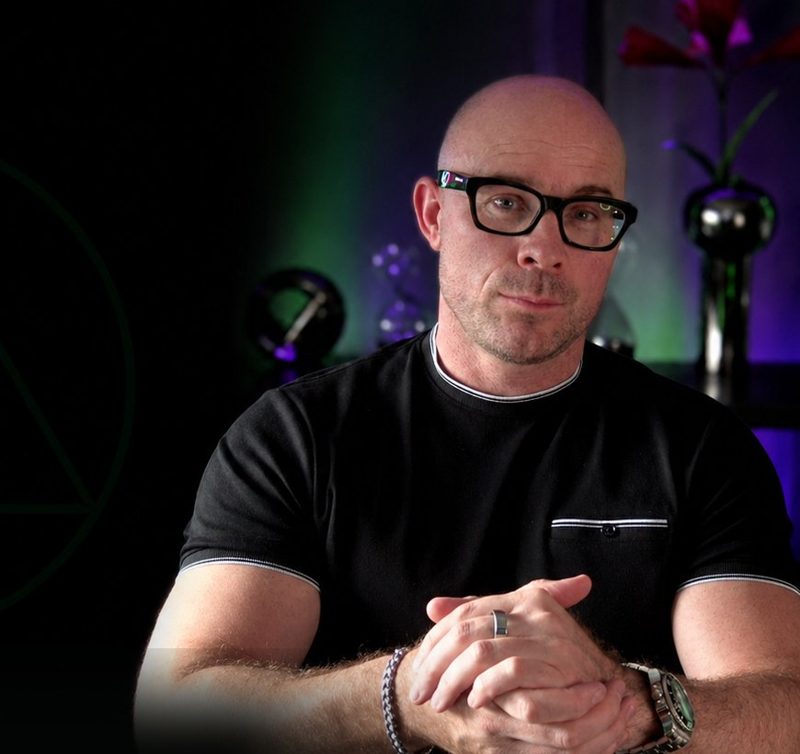
If you’ve tried to talk yourself out of this fear and it hasn’t worked, that isn’t a lack of willpower. A phobia is an alarm your mind learned, and logic alone rarely switches it off.
When a fear is less common, it can be harder to explain, so you may not have told many people about it. I work one to one over Zoom with people whose fears are holding them back, including rarer ones like this, and every plan starts with understanding what your fear is really about.
I’ve spent 17 years in clinical practice and helped more than 1,000 people with phobias. I hold a Postgraduate Certificate and a Postgraduate Diploma in Clinical Hypnotherapy, both with Distinction, and journalists and clients call me the Phobia Guru.
Common questions
Why are so many children frightened of the hoover?
To a young child, a vacuum cleaner is loud, sudden and seems to swallow things, so the reaction makes sense. Most children grow out of it with time and gentle familiarity. Adults who still feel strongly about it may find the fear is mainly about noise.
How can you help?
I use hypnotherapy and NLP to change how your mind responds to the thing you fear, so the old alarm stops going off. Sessions are one to one over Zoom, and you get a recording of the hypnosis to listen to afterwards.
How many sessions will I need?
Many clients notice a real difference after one 90 minute session. If the fear goes back a long way, three sessions gives us room to make the change stick.
Further reading: Healthline: Fear of loud noises · Cleveland Clinic: Misophonia · Medical News Today: Phonophobia
Ready to start?
A short call is the simplest next step. We’ll talk about your fear, what you’d like to feel instead, and whether I’m the right person to help.
- Take the free test at the top of this page to see how strong your fear is.
- Book a 30 minute call. Use code PHOBIA at checkout for half price: £24.50 instead of £49 ($29.50 outside the UK).
- Start your sessions over Zoom from wherever you live, or face to face in Hertfordshire.
See all session options and prices