
Fear of vegetables (lachanophobia)
En español: lee sobre este miedo en Fobias.org.
Lachanophobia is a fear of vegetables. It can range from feeling uneasy at the sight of greens on a plate to steering clear of whole aisles in the supermarket, and it can make meals with family or friends feel tense.
Many people find that with the right help, vegetables on the plate become something they can try and even enjoy.
Use code PHOBIA at checkout for half price: £24.50 instead of £49. Outside the UK? $29.50.
About this phobia
The name comes from the Greek lachanon, meaning vegetable. It is uncommon and found mostly on lists of phobias rather than in clinical writing. It is often grouped with wider food fears and with avoidant restrictive food intake disorder (ARFID), a recognised condition where certain foods are avoided because of their look, texture or a past bad experience.
How it shows up
This is more than a childhood dislike of sprouts. Someone with lachanophobia may feel real alarm when vegetables are near them, on their plate or even being chopped in the same kitchen. For some it is the look or texture, for others a worry about dirt, bugs or being sick. The person may know the fear is out of proportion yet still feel unable to stay at the table.
Common triggers
- Vegetables touching other food on the plate
- Slimy or stringy textures
- Strong smells while greens are cooking
- Soil or bugs on fresh produce
- Being encouraged to try something new
- Salad bars and buffets
- Watching others eat vegetables close by
Where it shows up
- Family meals and Sunday dinners
- Restaurants and work canteens
- Fresh produce aisles in supermarkets
- School or nursery mealtimes
- Eating at friends’ homes
- Holidays and hotel breakfasts
Symptoms
In your body
- Gagging or a tight throat
- Feeling sick
- Racing heart
- Sweating
- Dry mouth
In your mind
- Dread of being made to eat
- Disgust that is hard to shake
- Embarrassment about the fear
- Worry about what others will think
What you might do
- Pushing food away or leaving the table
- Checking menus in advance
- Eating before going out
- Avoiding shared meals
What may cause it
There is very little research on a fear of vegetables alone, but food fears in general are better understood. A choking or sickness episode, a strong sensitivity to texture or taste, or pressure to eat as a child can all play a part. Disgust is often as strong as fear here, and it can be slow to fade. When the avoidance covers many foods, it can sit within ARFID, a recognised eating difficulty.
How it can affect your life
Shared meals can become tense, and eating out may need careful planning. Some people feel isolated or judged by family and friends who do not understand the fear. Parents with the fear may also feel anxious about passing it on to their children at mealtimes.
Related fears
- Fear of new foods (food neophobia)
- Avoidant restrictive food intake disorder (ARFID)
- Fear of choking (pseudodysphagia)
- Fear of vomiting (emetophobia)
Things that can help day to day
- Start by having a vegetable on the table, not on your plate
- Look at, touch or smell a vegetable with no pressure to eat it
- Let people close to you know, so meals feel less tense
- Name the feeling and let it pass before deciding what to do
When to get help
If you are eating much less than usual, avoiding many foods or losing weight, please see your GP. They can help, and a specialist in eating difficulties or phobias can take things at your pace.
Explore more unusual fears in the rare phobias A to Z, or browse the common phobias.
About me
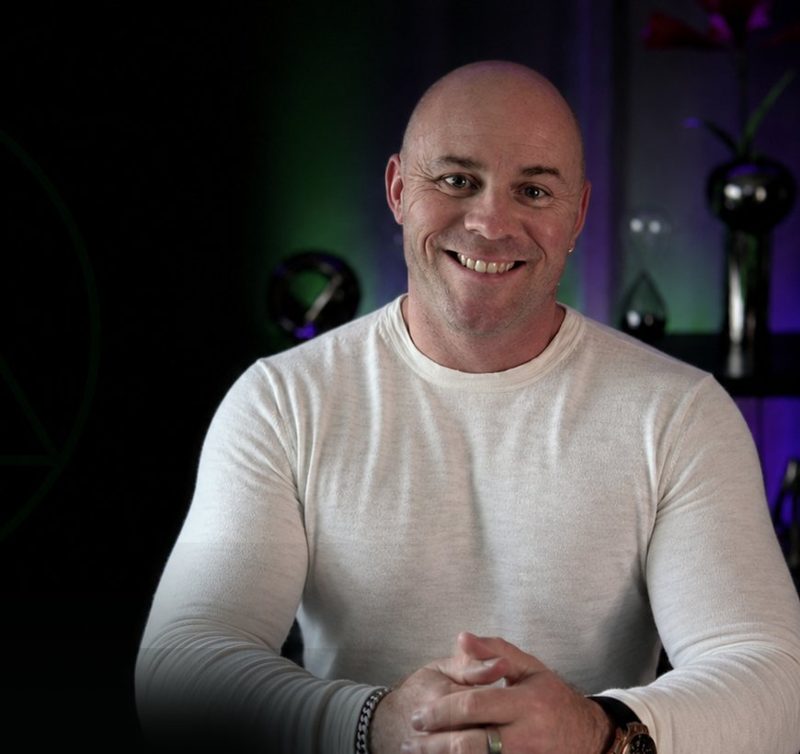
If you’ve tried to talk yourself out of this fear and it hasn’t worked, that isn’t a lack of willpower. A phobia is an alarm your mind learned, and logic alone rarely switches it off.
When a fear is less common, it can be harder to explain, so you may not have told many people about it. I work one to one over Zoom with people whose fears are holding them back, including rarer ones like this, and every plan starts with understanding what your fear is really about.
I’ve spent 17 years in clinical practice and helped more than 1,000 people with phobias. I hold a Postgraduate Certificate and a Postgraduate Diploma in Clinical Hypnotherapy, both with Distinction, and journalists and clients call me the Phobia Guru.
Common questions
Is a fear of vegetables just fussy eating?
Not always. Fussy eating is usually a matter of taste, whereas a phobia brings real anxiety, sometimes from texture, smell or a past choking or sickness episode. If it means eating much less or losing weight, speak to a GP.
How can you help?
I use hypnotherapy and NLP to change how your mind responds to the thing you fear, so the old alarm stops going off. Sessions are one to one over Zoom, and you get a recording of the hypnosis to listen to afterwards.
How many sessions will I need?
Many clients notice a real difference after one 90 minute session. If the fear goes back a long way, three sessions gives us room to make the change stick.
Further reading: Fear of eating vegetables (My Food Fear)
Ready to start?
A short call is the simplest next step. We’ll talk about your fear, what you’d like to feel instead, and whether I’m the right person to help.
- Take the free test at the top of this page to see how strong your fear is.
- Book a 30 minute call. Use code PHOBIA at checkout for half price: £24.50 instead of £49 ($29.50 outside the UK).
- Start your sessions over Zoom from wherever you live, or face to face in Hertfordshire.
See all session options and prices