
Fear of being sick or vomiting (emetophobia)
En español: lee sobre este miedo en Fobias.org.
Emetophobia is one of the most common phobias I see. It can affect what you eat, where you go and how you feel whenever someone nearby is unwell.
You don’t have to keep living on watch. Many people find that with the right help, they can eat out, travel and be around someone who feels unwell without the constant dread.
Use code PHOBIA at checkout for half price: £24.50 instead of £49. Outside the UK? $29.50.
Understanding this fear
Emetophobia is an intense fear of being sick, of seeing or hearing someone else be sick, or both. Most people dislike vomiting, but with emetophobia the fear is so strong that life can become organised around avoiding any chance of it. Ordinary feelings such as a full stomach or mild queasiness can feel like warning signs, and the worry is often there day after day, not just when someone is ill. It can affect eating, travel, work, school and relationships.
Research reviews describe emetophobia as understudied, and say it seems to affect women more often than men. It usually starts early in life and tends to hang on for years if it is not addressed. It can be mistaken for other problems, such as panic, social anxiety, obsessive worries or eating difficulties, because it can show up in similar ways. Because it is less well known than other fears, people often feel that nobody else would understand.
Common triggers
- Someone saying they feel unwell
- News of a sickness bug at school or work
- Seeing or hearing someone being sick
- Scenes of vomiting on TV or in films
- Feeling full, bloated or slightly queasy
- Being around people who have been drinking heavily
- Food that might be undercooked or past its date
- Motion sickness on boats, coaches or planes
- Certain words linked to being sick
Where it shows up
- Schools and nurseries when bugs are going round
- Hospitals and GP waiting rooms
- Restaurants, takeaways and buffets
- Pubs, clubs and parties where people drink
- Boats, coaches and long car rides
- Theme parks and fairground rides
- Around babies and young children
Symptoms
In your body
- Nausea or a churning stomach, often caused by the anxiety itself
- Racing heart and fast breathing
- Sweating and feeling hot or cold
- Loss of appetite
- Dizziness or light-headedness
- A tight throat or dry mouth
In your mind
- What if I am sick and cannot stop
- What if I am sick in front of people
- Every twinge in my stomach means I am ill
- Fear of losing control or not being able to cope
- Constantly scanning for anyone who looks unwell
- Doubt about whether food is safe to eat
What you might do
- Avoiding certain foods, restaurants or eating out
- Checking use-by dates again and again
- Washing hands far more than needed
- Staying away from people who are or might be ill
- Seeking reassurance or searching symptoms online
- Carrying anti-sickness remedies just in case
What causes it
Little is known for certain about why emetophobia starts, though some people can recall an upsetting episode of sickness, either their own or someone else’s. What keeps it going is clearer. Anxiety itself causes stomach sensations such as nausea, churning and loss of appetite, and these are easily mistaken for signs of illness, which raises the anxiety further. Underneath, the fear is often about losing control, feeling trapped, embarrassment or not being able to cope. Avoidance and safety habits, such as checking food or keeping away from anyone unwell, give quick relief but teach the brain the danger was real, so the fear spreads to more situations over time.
How it can affect your life
Emetophobia can have a big effect on daily life. People may limit what and where they eat, avoid travel and holidays, take time off when bugs are going round, or find it hard to be around young children. Some find it rules out jobs in schools, nurseries or care settings. Eating less or sticking to a narrow range of safe foods can affect health, and the constant watchfulness can be exhausting.
Things that can help day to day
- Remind yourself that anxiety can cause nausea, so a queasy feeling is not proof that you are ill
- When your stomach starts to churn, breathe slowly and let each out-breath be longer than the in-breath
- Notice checking and reassurance seeking, and try cutting back on it bit by bit
- Gently widen the foods and places you feel comfortable with, in small steps that do not overwhelm you
- Limit time spent searching symptoms online, as it tends to feed the worry
When to get help
It is worth getting help if the fear is shaping what you eat, where you go or the work you do, or if you are worrying about being sick most days. If you are eating less, cutting out lots of foods or losing weight, please see your GP. Beat, the UK eating disorder charity, also offers support if you are worried about your eating. Your GP is the right first step if anxiety is affecting your daily life.
How hypnosis can help with fear of vomiting
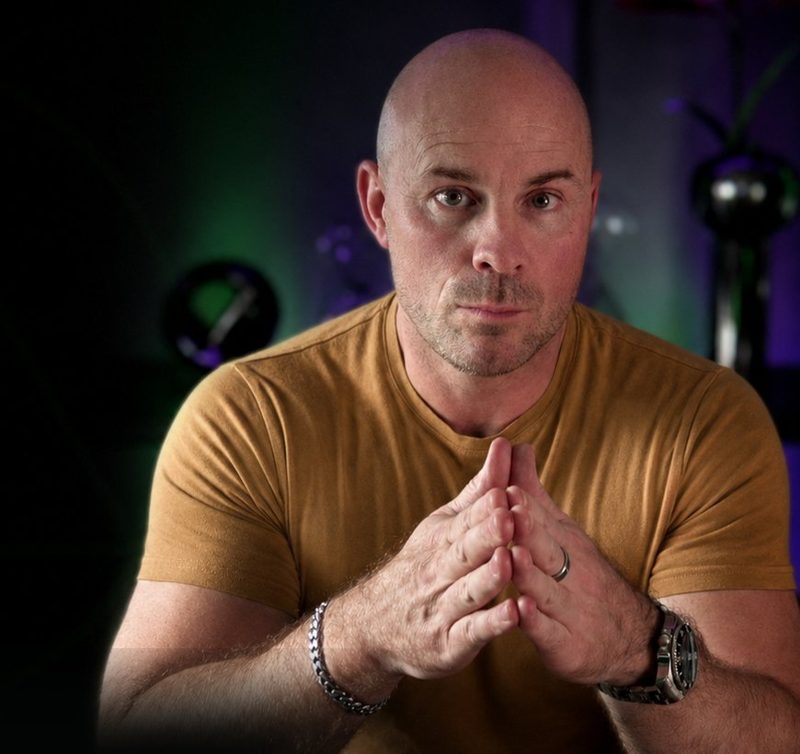
If you’ve tried to talk yourself out of this fear and it hasn’t worked, that isn’t a lack of willpower. A phobia is an alarm your mind learned, and logic alone rarely switches it off.
When I work with emetophobia, I start by finding out what lies at the heart of the fear, because for some people it is the loss of control, for others it is being sick in front of people, and for some it links back to an upsetting memory. Over Zoom, I use hypnotherapy to help you feel calm in your body and then gently rehearse everyday situations in your mind, such as eating out or being around someone who feels unwell, while staying settled. NLP techniques can help defuse old memories and change how the mind reacts to normal stomach sensations. Many clients find that as the automatic alarm response calms down, the constant watchfulness eases and everyday life opens up again.
I’ve spent 17 years in clinical practice and helped more than 1,000 people with phobias. I hold a Postgraduate Certificate and a Postgraduate Diploma in Clinical Hypnotherapy, both with Distinction.
Common questions
Can anxiety make me feel sick?
Yes. Anxiety often causes nausea, a churning stomach or loss of appetite, because the body’s alarm system affects digestion. In emetophobia this can create a loop, where feeling queasy causes more anxiety, which makes the queasiness worse.
Is emetophobia an eating disorder?
No, it is an anxiety problem, but it can affect eating, for example through avoiding certain foods or eating out. If you are eating much less or losing weight, see your GP, who can check how you are and talk about support.
Does treating emetophobia mean having to be sick?
No. Good treatment does not involve making you vomit. It focuses on calming the fear response, reducing checking and avoidance step by step, and building confidence that you can cope with uncertainty.
Where does it come from?
Often a bad experience of being sick as a child, or seeing someone else being sick. Feeling queasy with anxiety can then keep the fear going.
How do sessions work?
I use hypnotherapy and NLP to change how your mind responds to being sick. Sessions are one to one over Zoom, and you get a recording of the hypnosis to listen to afterwards.
How many sessions will I need?
Many clients notice a real difference after one 90 minute session. If the fear goes back a long way, three sessions gives us room to make the change stick.
Further reading: Cleveland Clinic: Emetophobia (fear of vomiting) · Oxford Health NHS Foundation Trust: Emetophobia · Brazilian Journal of Psychiatry: Emetophobia, a critical review
Ready to start?
A short call is the simplest next step. We’ll talk about your fear, what you’d like to feel instead, and whether I’m the right person to help.
- Take the free test at the top of this page to see how strong your fear is.
- Book a 30 minute call. Use code PHOBIA at checkout for half price: £24.50 instead of £49 ($29.50 outside the UK).
- Start your sessions over Zoom from wherever you live, or face to face in Hertfordshire.
See all session options and prices