
Fear of wasps (spheksophobia)
En español: lee sobre este miedo en Fobias.org.
A fear of wasps can spoil picnics, beer gardens, open car windows and long summer days. Even the buzz of one nearby can make you freeze, and it can be helped.
Many people find that with the right help, they can enjoy a picnic or a beer garden and stay calm when a wasp drifts by.
Use code PHOBIA at checkout for half price: £24.50 instead of £49. Outside the UK? $29.50.
Understanding this fear
Spheksophobia is a strong fear of wasps and their stings. Nobody wants to be stung, and a wasp hovering over your lunch is annoying for anyone. With a phobia, though, the sound of buzzing can make you freeze, run or flap, and the fear starts to shape where you go and what you do through the warmer months. It often comes with a fear of bees or of flying insects in general.
It is described as a fairly common animal phobia, sitting within the wider group of insect fears. Part of the fear is the sting itself, but many people also react to the way wasps fly, darting and changing direction without warning. Some people develop it after a painful sting in childhood, while others pick it up from a parent who panicked whenever a wasp appeared. If you have ever had a serious allergic reaction to a sting, please make sure your GP knows and follow their advice.
Common triggers
- The buzzing sound close to your ear
- A wasp landing on food or a drink
- Wasps darting near your face
- Finding a nest in a shed, loft or hedge
- Sugary drinks and fruit outdoors
- Bins on a warm day
- Insects flying in through an open window
- Hearing about someone being stung
Where it shows up
- Beer gardens and outdoor tables
- Picnics and barbecues
- Parks and playgrounds in summer
- Cars with the windows down
- Fruit stalls and bakeries
- Gardens, especially near bins or fallen fruit
- School sports days and summer fetes
Symptoms
In your body
- Freezing on the spot or leaping up
- Pounding heart
- Fast breathing
- Sweating and trembling
- Tight neck and shoulder muscles
- Feeling faint or sick
In your mind
- It is going to sting me and I cannot stop it
- A sense that the wasp is aiming for you
- Constant scanning for anything that buzzes
- Dreading the start of summer
- Embarrassment about how you reacted in front of others
What you might do
- Flapping or running when a wasp comes near
- Eating indoors all summer
- Keeping car and house windows shut in the heat
- Leaving gardens, parties or pubs early
- Checking drinks and food again and again
- Asking others to deal with every wasp
What causes it
Wasps can sting, and their flight is quick and hard to predict, so a degree of caution makes sense. A phobia often starts with a painful sting, especially in childhood, or a frightening moment when one got caught in clothing or hair. Children learn a great deal by watching adults, so a parent who screams and flaps can pass the fear on without meaning to. Phobias can also run in families, through a mix of learning and the way some people are wired to feel fear more strongly. Then avoidance takes over: staying indoors, shutting windows and leaving early all bring relief, but they also tell your brain that wasps are a bigger threat than they usually are.
How it can affect your life
This fear tends to arrive with the warm weather and can take the shine off summer. People turn down invitations to barbecues, weddings and days out, or spend them on edge. Some sit in hot cars or houses with every window closed. Parents may find it hard to relax at the park with their children and may worry about passing the fear on. A sudden reaction while driving or near a road can also be risky in itself.
Things that can help day to day
- Keep sweet drinks covered and use a straw outdoors
- Move away slowly and calmly rather than swatting
- Practise a slow breath out whenever you hear buzzing, so your body learns a new response
- If a wasp gets into the car, pull over when it is safe rather than reacting at the wheel
- Leave nests alone and call in a professional pest service for one near your home
When to get help
It is worth getting help if the fear is keeping you indoors in summer, affecting your children or causing panic. If you have ever had a serious reaction to a sting, such as swelling of the lips or throat or trouble breathing, make sure your GP knows and follow their advice, and call 999 if those signs ever appear after a sting. If anxiety about wasps is affecting your daily life, your GP can also talk through support.
How hypnosis can help with fear of wasps
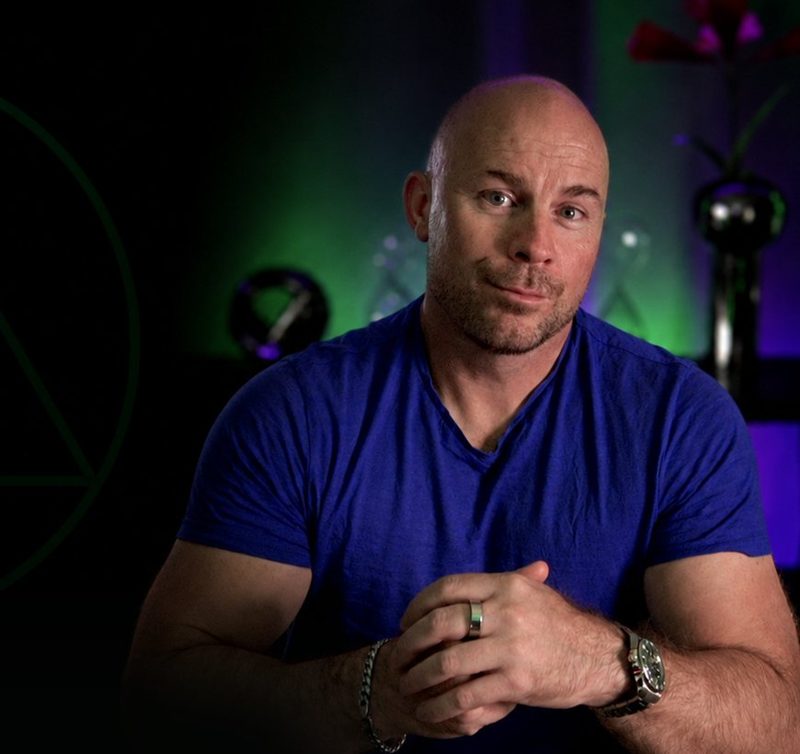
If you’ve tried to talk yourself out of this fear and it hasn’t worked, that isn’t a lack of willpower. A phobia is an alarm your mind learned, and logic alone rarely switches it off.
When I work with a fear of wasps, I look at what your mind has latched on to. It might be an old sting, the buzzing, the speed of them, or a parent who panicked when you were small. Over Zoom I use hypnotherapy and NLP to help your body practise staying steady while you picture a wasp nearby, so the old jump and flap is replaced with a calmer pause. Many clients find summer days feel far more relaxed, even if they still prefer wasps at a distance. If you have a sting allergy, our work focuses on the fear and always sits alongside your GP’s advice.
I’ve spent 17 years in clinical practice and helped more than 1,000 people with phobias. I hold a Postgraduate Certificate and a Postgraduate Diploma in Clinical Hypnotherapy, both with Distinction.
Please note: If you have ever had a serious allergic reaction to a sting, please make sure your GP knows and follow their advice.
Common questions
Is a fear of wasps the same as a fear of bees?
They are closely related and often go together, as both sit within fears of insects. Some people fear only wasps, because of their darting flight and the way they gather around food and drink.
What should I do if a wasp lands near me?
Staying as calm as you can and moving away slowly usually works better than swatting, which can make the moment more chaotic. If you know you are allergic, follow the plan your GP has given you.
Can a fear of wasps be passed on to children?
Children learn a lot from how adults react, so a fear can be picked up simply by watching. Working on your own fear and staying as calm as you can around insects gives them a different example.
Is a fear of wasps just a fear of being stung?
Often it is partly that, but many people also react to the buzzing, the way wasps hover, or the surprise of one landing close by. The fear can be eased so you stay calmer when one appears.
How can you help?
I use hypnotherapy and NLP to change how your mind responds to the thing you fear, so the old alarm stops going off. Sessions are one to one over Zoom, and you get a recording of the hypnosis to listen to afterwards.
How many sessions will I need?
Many clients notice a real difference after one 90 minute session. If the fear goes back a long way, three sessions gives us room to make the change stick.
Further reading: Wikipedia: Fear of wasps · NHS: Insect bites and stings · NHS: Phobias
Ready to start?
A short call is the simplest next step. We’ll talk about your fear, what you’d like to feel instead, and whether I’m the right person to help.
- Take the free test at the top of this page to see how strong your fear is.
- Book a 30 minute call. Use code PHOBIA at checkout for half price: £24.50 instead of £49 ($29.50 outside the UK).
- Start your sessions over Zoom from wherever you live, or face to face in Hertfordshire.
See all session options and prices