
Fear of wealth (plutophobia)
It might sound odd to fear money, yet plutophobia, a fear of wealth, can show up as unease about earning more, guilt about having money, or turning down promotions. Some people worry about how being rich might change them. Others fear how friends and family would treat them.
Many people find that with the right help, earning more and enjoying what they have stops feeling wrong or risky.
Use code PHOBIA at checkout for half price: £24.50 instead of £49. Outside the UK? $29.50.
About this phobia
The name comes from the Greek ploutos, meaning wealth, and has nothing to do with the planet Pluto. It is a rare fear and not a clinical diagnosis, though the attitudes behind it are often discussed as money guilt. It is the opposite of peniaphobia, the fear of poverty.
How it shows up
Plutophobia often hides behind modest choices. A person might turn down a pay rise, give money away as soon as it arrives, or feel uneasy as savings grow. Lots of people feel a bit awkward about money, but the fear here is stronger and can hold back work and life plans. Some worry about becoming greedy or losing touch with their roots, while others fear being targeted, envied or treated differently by the people closest to them.
Common triggers
- Pay rises or bonuses
- An inheritance
- Talk about salaries
- Being seen as well off
- Expensive purchases
- Requests for money from others
- Talk of lottery wins or windfalls
Where it shows up
- Pay reviews at work
- Family gatherings
- Shopping
- Meetings about pensions or savings
- Social media
- Restaurants when the bill arrives
Symptoms
In your body
- Tension
- Unsettled stomach
- Poor sleep
- Feeling hot
- Racing heart when discussing pay
In your mind
- Guilt about having money
- Fear of changing as a person
- Worry about what others will think
- Feeling you do not deserve money
What you might do
- Turning down promotions
- Giving money away quickly
- Putting off money decisions
- Keeping earnings secret
What may cause it
There is no research on plutophobia as a phobia, but money guilt and mixed feelings about wealth are often talked about. Beliefs picked up in childhood, such as the idea that rich people are selfish, can play a part. Seeing money cause family rows, or hearing stories of a windfall leading to trouble, can add to it. Avoiding money decisions then keeps those old beliefs from ever being tested.
How it can affect your life
The fear can hold back careers and leave people struggling when they could be secure. It can also strain relationships where partners have different goals for saving, spending or getting on at work. Some people quietly sabotage their own progress and then feel confused about why things never quite move forward.
Related fears
- Fear of poverty (peniaphobia)
- Fear of success (achievemephobia)
- Money guilt
- Fear of money (chrometophobia)
Things that can help day to day
- Write down your beliefs about money and where you first learned them
- Talk to a trusted friend about what having more would really mean to you
- Plan how extra money could help people or causes you care about
- Take one small step, such as accepting a pay rise you have earned
When to get help
If the fear is holding back your work or causing stress at home, talking therapy can help you look at where it comes from. Speak to your GP if it is affecting your mood or sleep.
Explore more unusual fears in the rare phobias A to Z, or browse the common phobias.
About me
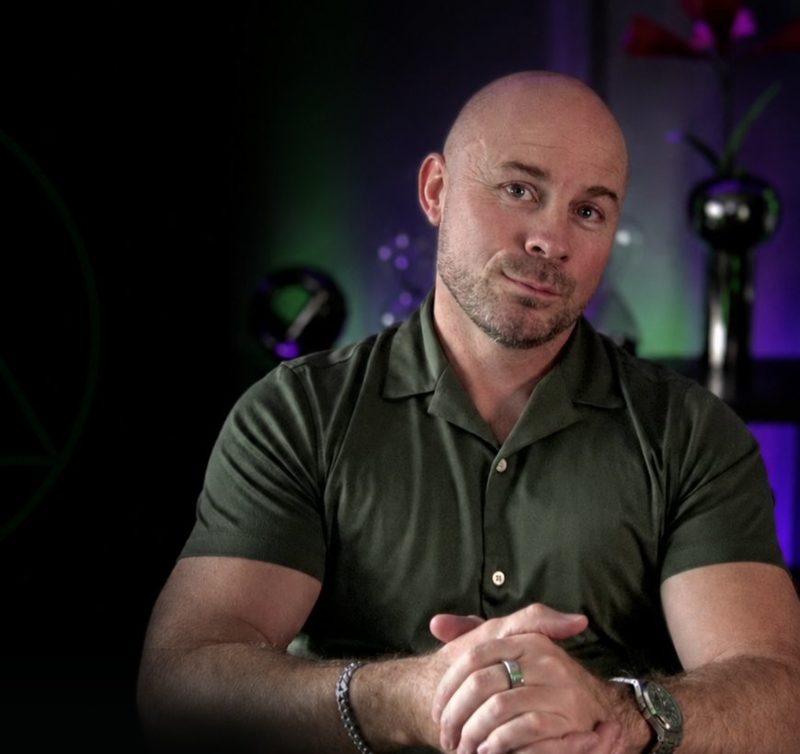
If you’ve tried to talk yourself out of this fear and it hasn’t worked, that isn’t a lack of willpower. A phobia is an alarm your mind learned, and logic alone rarely switches it off.
When a fear is less common, it can be harder to explain, so you may not have told many people about it. I work one to one over Zoom with people whose fears are holding them back, including rarer ones like this, and every plan starts with understanding what your fear is really about.
I’ve spent 17 years in clinical practice and helped more than 1,000 people with phobias. I hold a Postgraduate Certificate and a Postgraduate Diploma in Clinical Hypnotherapy, both with Distinction, and journalists and clients call me the Phobia Guru.
Common questions
Can someone really be afraid of having money?
Yes. Beliefs picked up in childhood, such as money being the root of trouble, can leave people uneasy about earning or keeping it. This can quietly hold back careers and plans. Noticing these beliefs is often the first step to changing them.
How can you help?
I use hypnotherapy and NLP to change how your mind responds to the thing you fear, so the old alarm stops going off. Sessions are one to one over Zoom, and you get a recording of the hypnosis to listen to afterwards.
How many sessions will I need?
Many clients notice a real difference after one 90 minute session. If the fear goes back a long way, three sessions gives us room to make the change stick.
Further reading: Mind: Money and mental health · Cleveland Clinic: Atychiphobia (fear of failure) · NHS: Phobias
Ready to start?
A short call is the simplest next step. We’ll talk about your fear, what you’d like to feel instead, and whether I’m the right person to help.
- Take the free test at the top of this page to see how strong your fear is.
- Book a 30 minute call. Use code PHOBIA at checkout for half price: £24.50 instead of £49 ($29.50 outside the UK).
- Start your sessions over Zoom from wherever you live, or face to face in Hertfordshire.
See all session options and prices