
Fear of whirlpools or dizziness (dinophobia)
Dinophobia is listed as a fear of whirlpools, and also of feeling dizzy. One person might avoid rivers, weirs and fast water, while another fears the spinning sensation itself and avoids anything that might set it off. Dizziness that keeps coming back should be checked with a GP.
Many people find that with the right help, fast water or a wave of dizziness becomes something they can stay calm about.
Use code PHOBIA at checkout for half price: £24.50 instead of £49. Outside the UK? $29.50.
About this phobia
The word is linked to the Greek dinos, meaning a whirling or eddy. It is rarely reported and covers two quite different fears in one term. The dizziness side overlaps with illyngophobia, a fear of vertigo, while the whirlpool side sits closer to fears of deep or moving water.
How it shows up
Because dinophobia covers two different fears, people experience it in different ways. For some the sight of swirling water, such as an eddy, a weir or a fast river, brings on panic. For others the dizzy, spinning feeling itself is what they dread, so they avoid fairground rides, swivel chairs or anything that might set it off. What links the two is a fear of being pulled out of control, whether by water or by the body’s own sense of balance.
Common triggers
- Swirling or fast flowing water
- Weirs and river rapids
- Spinning rides
- Getting up quickly
- Looking down from a height
- Water spiralling down a plughole
Where it shows up
- Riverside walks and bridges
- Theme parks and fairs
- Pools with flumes or currents
- Boats and ferries
- Busy shops with bright lights
Symptoms
In your body
- Lightheadedness
- Racing heart
- Nausea
- Unsteady legs
- Sweating
In your mind
- Fear of losing control
- Worry about fainting or falling
- Fear of being pulled under
- Expecting dizziness to start
What you might do
- Avoiding rivers and fast water
- Moving very slowly to prevent dizziness
- Skipping rides and spinning games
- Holding on to things for support
What may cause it
A frightening moment near fast water or a bout of vertigo can leave a lasting fear. Some people first notice it after an inner ear problem or a virus that left them dizzy for a while, and the memory of that feeling stays with them. When dizziness is the focus, people often watch closely for small sensations, and that watchfulness can make them feel more dizzy and more anxious, especially as anxiety can itself cause lightheadedness. The term has very little clinical writing of its own.
How it can affect your life
It can limit walks, holidays and family trips to parks or fairs. A fear of dizziness may lead people to move slowly and cautiously, which can chip away at confidence in daily life. Some stop driving or going out alone in case a dizzy spell starts.
Related fears
- Fear of vertigo (illyngophobia)
- Fear of deep water (thalassophobia)
- Fear of water (aquaphobia)
- Fear of fainting (asthenophobia)
Things that can help day to day
- Keep a safe distance from fast water and stay on marked paths
- Practise slow breathing to ease anxiety related lightheadedness
- Note when dizziness happens and share the record with your GP
- Look at calm river images at home before visiting quiet waterside spots
When to get help
Dizziness or vertigo that keeps coming back, or starts suddenly, should be checked by a GP, as there are many treatable causes. Once physical causes are ruled out, a therapist can help with the fear itself.
Explore more unusual fears in the rare phobias A to Z, or browse the common phobias.
About me
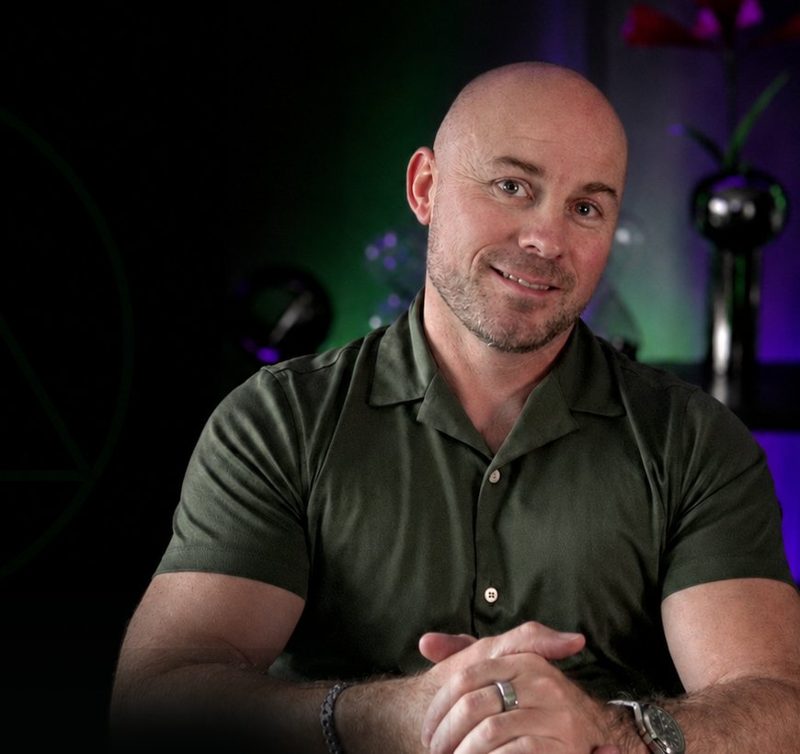
If you’ve tried to talk yourself out of this fear and it hasn’t worked, that isn’t a lack of willpower. A phobia is an alarm your mind learned, and logic alone rarely switches it off.
When a fear is less common, it can be harder to explain, so you may not have told many people about it. I work one to one over Zoom with people whose fears are holding them back, including rarer ones like this, and every plan starts with understanding what your fear is really about.
I’ve spent 17 years in clinical practice and helped more than 1,000 people with phobias. I hold a Postgraduate Certificate and a Postgraduate Diploma in Clinical Hypnotherapy, both with Distinction, and journalists and clients call me the Phobia Guru.
Common questions
Can a fear of feeling dizzy make the dizziness worse?
It can. Anxiety brings its own light-headedness, so the fear and the feeling can feed each other. A GP can rule out a physical cause, which often makes it easier to see the anxiety part clearly.
How can you help?
I use hypnotherapy and NLP to change how your mind responds to the thing you fear, so the old alarm stops going off. Sessions are one to one over Zoom, and you get a recording of the hypnosis to listen to afterwards.
How many sessions will I need?
Many clients notice a real difference after one 90 minute session. If the fear goes back a long way, three sessions gives us room to make the change stick.
Further reading: NHS: Vertigo · NHS: Phobias
Ready to start?
A short call is the simplest next step. We’ll talk about your fear, what you’d like to feel instead, and whether I’m the right person to help.
- Take the free test at the top of this page to see how strong your fear is.
- Book a 30 minute call. Use code PHOBIA at checkout for half price: £24.50 instead of £49 ($29.50 outside the UK).
- Start your sessions over Zoom from wherever you live, or face to face in Hertfordshire.
See all session options and prices