
Fear of wild animals (agrizoophobia)
Agrizoophobia is a fear of wild animals. It might show up as dread on a safari, unease in a wildlife park, or switching off nature documentaries. In the UK it can be as simple as tensing up at the sight of a fox in the garden or deer near a footpath.
Many people find that with the right help, a wildlife park or a nature documentary becomes something they can enjoy.
Use code PHOBIA at checkout for half price: £24.50 instead of £49. Outside the UK? $29.50.
About this phobia
The name comes from the Greek agrios, meaning wild, and zoon, meaning animal. It is not a common clinical term and appears mostly on lists of phobias. It is a broader form of zoophobia, the fear of animals, and some people find the fear centres on one type, such as big cats or wolves.
How it shows up
Agrizoophobia can be broad, covering any animal that is not tame, or it can settle on a few that seem most threatening. Some people mainly fear an unexpected encounter, such as something moving in the undergrowth, while others feel distress just seeing wild animals on screen. Sensible caution around large or dangerous animals is healthy, but this fear tends to show up where the risk is very low, such as a squirrel by a park bench. It can make the outdoors feel unpredictable rather than relaxing.
Common triggers
- Rustling in bushes or long grass
- Foxes, badgers or deer near home
- Nature programmes showing hunting
- Animal noises at night
- News stories about animal attacks
- Visits to zoos or safari parks
Where it shows up
- Woodland walks and country paths
- Camping trips
- Gardens at dusk
- Holidays abroad with unfamiliar wildlife
- Farms and rural areas
Symptoms
In your body
- A strong startle at sudden movement
- Pounding heart
- Freezing on the spot
- Sweating and shaking
In your mind
- Assuming any animal might attack
- Scanning the surroundings for movement
- Imagining being chased or cornered
- Dread before trips outdoors
What you might do
- Staying indoors after dark
- Avoiding walks in the countryside
- Turning off wildlife programmes
- Keeping doors and windows shut
What may cause it
There is little research on agrizoophobia itself, but fears of animals are among the most common specific phobias and often begin in childhood. A frightening encounter, seeing someone else scared, or hearing alarming stories can all teach the mind to treat animals as a threat. Humans are also thought to be quick to notice certain creatures, which may make some people more prone to this kind of fear. Avoidance then stops the brain learning that most encounters are harmless.
How it can affect your life
The fear can make walks, camping and countryside holidays stressful and may cut down time spent outdoors. Some people feel uneasy in their own garden, especially in the evening, or avoid trips that family and friends enjoy.
Related fears
- Fear of animals (zoophobia)
- Fear of dogs (cynophobia)
- Fear of snakes (ophidiophobia)
- Fear of wolves (lupophobia)
Things that can help day to day
- Learn how local wildlife usually behaves, which often reduces surprise
- Walk on clear, well used paths, with company if that helps
- Start with gentle wildlife footage, such as garden birds, before anything more intense
- Follow normal safety advice for any area rather than testing yourself near risky animals
When to get help
If the fear keeps you from going outdoors or causes panic, speak to a GP or a therapist trained in phobias. Any work on the fear should be gradual and safe, never close contact with wild or dangerous animals.
Explore more unusual fears in the rare phobias A to Z, or browse the common phobias.
About me
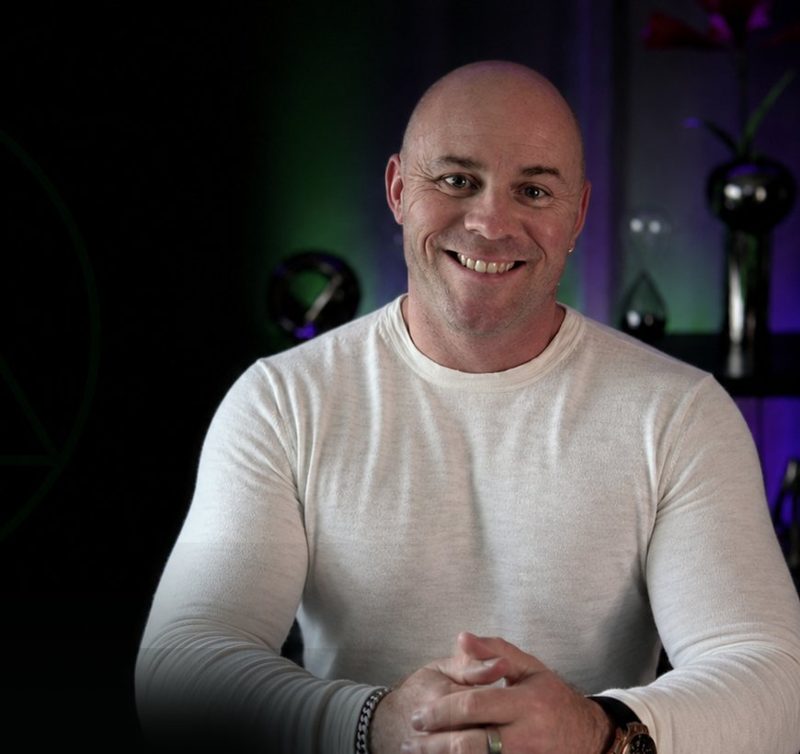
If you’ve tried to talk yourself out of this fear and it hasn’t worked, that isn’t a lack of willpower. A phobia is an alarm your mind learned, and logic alone rarely switches it off.
When a fear is less common, it can be harder to explain, so you may not have told many people about it. I work one to one over Zoom with people whose fears are holding them back, including rarer ones like this, and every plan starts with understanding what your fear is really about.
I’ve spent 17 years in clinical practice and helped more than 1,000 people with phobias. I hold a Postgraduate Certificate and a Postgraduate Diploma in Clinical Hypnotherapy, both with Distinction, and journalists and clients call me the Phobia Guru.
Common questions
Is it unreasonable to be scared of wild animals?
Some caution around wild animals is sensible. It becomes a phobia when the fear is far out of proportion to the actual risk, such as panic on a country walk where no dangerous animals live. The difference lies in how much the fear limits daily life.
How can you help?
I use hypnotherapy and NLP to change how your mind responds to the thing you fear, so the old alarm stops going off. Sessions are one to one over Zoom, and you get a recording of the hypnosis to listen to afterwards.
How many sessions will I need?
Many clients notice a real difference after one 90 minute session. If the fear goes back a long way, three sessions gives us room to make the change stick.
Further reading: Zoophobia, Anxiety UK · Zoophobia (fear of animals), Cleveland Clinic
Ready to start?
A short call is the simplest next step. We’ll talk about your fear, what you’d like to feel instead, and whether I’m the right person to help.
- Take the free test at the top of this page to see how strong your fear is.
- Book a 30 minute call. Use code PHOBIA at checkout for half price: £24.50 instead of £49 ($29.50 outside the UK).
- Start your sessions over Zoom from wherever you live, or face to face in Hertfordshire.
See all session options and prices