
Fear of wind (anemophobia)
En español: lee sobre este miedo en Fobias.org.
Anemophobia is a fear of wind, from a strong breeze to a full storm. People with this fear may check forecasts constantly, stay indoors on blustery days, or lie awake listening to gusts at night. Draughts and air currents indoors can sometimes trigger it too.
Many people find that with the right help, a windy day becomes just weather, and plans go ahead.
Use code PHOBIA at checkout for half price: £24.50 instead of £49. Outside the UK? $29.50.
About this phobia
The name comes from the Greek anemos, meaning wind. It is an uncommon term, also listed as ancraophobia. It sits close to astraphobia, the fear of thunder and lightning, and to lilapsophobia, a term for fear of tornadoes and hurricanes.
How it shows up
Anemophobia can turn a windy forecast into a source of dread for days. Some people fear damage to their home, falling trees or flying objects, while others are unsettled by the noise and the sense of something powerful and unseen. Gusts at night can feel especially alarming, and the sound of wind in chimneys, letterboxes or fences can keep people awake and listening. This differs from sensible care during storms because the fear arises even on ordinary breezy days.
Common triggers
- Weather warnings and named storms
- Howling wind at night
- Rattling windows or doors
- Trees swaying near the house
- Strong gusts when out walking
- Bins or garden furniture blowing about
- Draughts or fans indoors
Where it shows up
- At home during storms
- Coastal towns and seafronts
- Exposed hills and open countryside
- Tall buildings in high wind
- Campsites and tents
Symptoms
In your body
- Tense muscles and racing heart
- Trouble sleeping
- Shortness of breath
- Feeling on edge
In your mind
- Imagining damage or injury
- Checking forecasts over and over
- Feeling helpless
- Dread in the days before windy weather
What you might do
- Staying in on breezy days
- Cancelling plans when wind is forecast
- Checking the house for loose objects
- Avoiding open places
What may cause it
Anemophobia has little research of its own, but weather fears in general, such as fear of thunder and storms, are well recognised. A frightening storm, damage to a home or seeing harm caused by falling trees can set off the fear, sometimes many years later. Dramatic news coverage of extreme weather and repeated warnings can also keep the worry fresh. Checking forecasts and staying in bring relief in the moment but keep the fear going.
How it can affect your life
The fear can make autumn and winter in the UK especially hard, with plans cancelled and sleep disturbed. It may also limit outdoor activities, travel and time spent by the coast. Some people find they feel tense through whole seasons rather than just on stormy days.
Related fears
- Fear of thunder and lightning (astraphobia)
- Fear of tornadoes and hurricanes (lilapsophobia)
- Fear of rain (ombrophobia)
Things that can help day to day
- Check the forecast once a day rather than many times
- Use soft music or white noise to mask the wind at night
- Secure loose items in the garden before a storm so there is less to worry about
- Remind yourself how many windy days have passed without harm
When to get help
If fear of wind is affecting your sleep, work or daily plans, speak to a GP or to a therapist who works with phobias and anxiety.
Explore more unusual fears in the rare phobias A to Z, or browse the common phobias.
About me
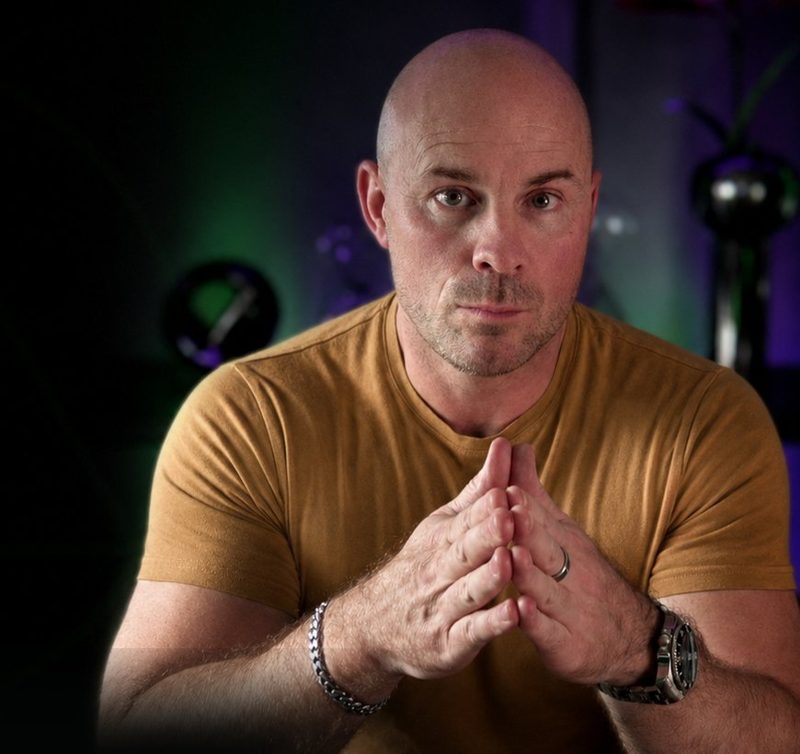
If you’ve tried to talk yourself out of this fear and it hasn’t worked, that isn’t a lack of willpower. A phobia is an alarm your mind learned, and logic alone rarely switches it off.
When a fear is less common, it can be harder to explain, so you may not have told many people about it. I work one to one over Zoom with people whose fears are holding them back, including rarer ones like this, and every plan starts with understanding what your fear is really about.
I’ve spent 17 years in clinical practice and helped more than 1,000 people with phobias. I hold a Postgraduate Certificate and a Postgraduate Diploma in Clinical Hypnotherapy, both with Distinction, and journalists and clients call me the Phobia Guru.
Common questions
Is a fear of wind linked to past storms?
Sometimes. A frightening storm, damage to a home or a near miss with a falling branch can leave a lasting fear. For others there is no clear starting point, and the fear builds gradually.
How can you help?
I use hypnotherapy and NLP to change how your mind responds to the thing you fear, so the old alarm stops going off. Sessions are one to one over Zoom, and you get a recording of the hypnosis to listen to afterwards.
How many sessions will I need?
Many clients notice a real difference after one 90 minute session. If the fear goes back a long way, three sessions gives us room to make the change stick.
Further reading: Ancraophobia, Wikipedia
Ready to start?
A short call is the simplest next step. We’ll talk about your fear, what you’d like to feel instead, and whether I’m the right person to help.
- Take the free test at the top of this page to see how strong your fear is.
- Book a 30 minute call. Use code PHOBIA at checkout for half price: £24.50 instead of £49 ($29.50 outside the UK).
- Start your sessions over Zoom from wherever you live, or face to face in Hertfordshire.
See all session options and prices