
Fear of wooden objects (xylophobia)
Xylophobia is a fear of wooden objects. It might mean avoiding wooden furniture, floors or toys, feeling uneasy in timber buildings, or disliking the feel of wood grain under the hand.
Many people find that with the right help, wooden furniture, floors and toys become ordinary things again.
Use code PHOBIA at checkout for half price: £24.50 instead of £49. Outside the UK? $29.50.
About this phobia
The name comes from the Greek xylon, meaning wood, the same root as xylophone. It is rarely reported and appears mostly on lists, some of which also give it as a fear of forests. The fear may link to texture, splinters or a particular memory rather than to wood itself.
How it shows up
Many people prefer metal, glass or plastic to wood purely on taste. With xylophobia the reaction is fear rather than preference, and wooden furniture, floors or objects can bring unease or dread. Some people are troubled by the texture or grain, while others fear splinters or link wood with a particular memory. It goes beyond dislike when it affects choices about where to live, what to buy or whether to visit friends whose homes are full of wood.
Common triggers
- Wooden furniture
- Bare wooden floors underfoot
- Wood grain textures
- Splinters
- Wooden toys
- Forests and woods
- The sound of wood creaking
Where it shows up
- Homes and cafes with wooden decor
- Schools and offices
- Woodland walks
- Furniture shops
- Log cabins
- Old houses with timber beams
Symptoms
In your body
- Skin crawling
- Tense hands
- Nausea
- Racing heart
- Shivers or goosebumps
In your mind
- Fear of splinters or injury
- Strong discomfort at textures
- Dread in wooden rooms
- Worry about wood being dirty or rotten
What you might do
- Avoiding touching wood with bare hands
- Choosing metal or plastic items instead
- Avoiding woodland and timber buildings
- Covering wooden surfaces with cloths or mats
What may cause it
Xylophobia is rarely studied, and it may link to texture, splinters, a past injury or a particular memory rather than to wood itself. Sensory sensitivity can make textures like rough grain harder to cope with. For people who also fear forests, the reaction may be more about dark, enclosed or isolated spaces. As with other fears, avoidance keeps it going because the brain never learns the feeling can fade.
How it can affect your life
Because wood is so common in buildings and furniture, the fear can limit where someone lives, eats or works. It may also rule out woodland walks, cabins or rustic holidays. Explaining the fear to others can be awkward, which may lead people to make excuses instead.
Related fears
- Fear of forests (hylophobia)
- Fear of trees (dendrophobia)
- Fear of sharp objects (aichmophobia)
- Sensory sensitivity
Things that can help day to day
- Start with smooth, painted or varnished wood
- Use gloves or covers at first if that helps
- Practise slow breathing while touching wood
- Notice what the fear seems to be linked to
When to get help
If the fear is limiting your home, work or social life, speak to your GP or a therapist. Gradual, well-paced support can help even long-standing fears ease.
Explore more unusual fears in the rare phobias A to Z, or browse the common phobias.
About me
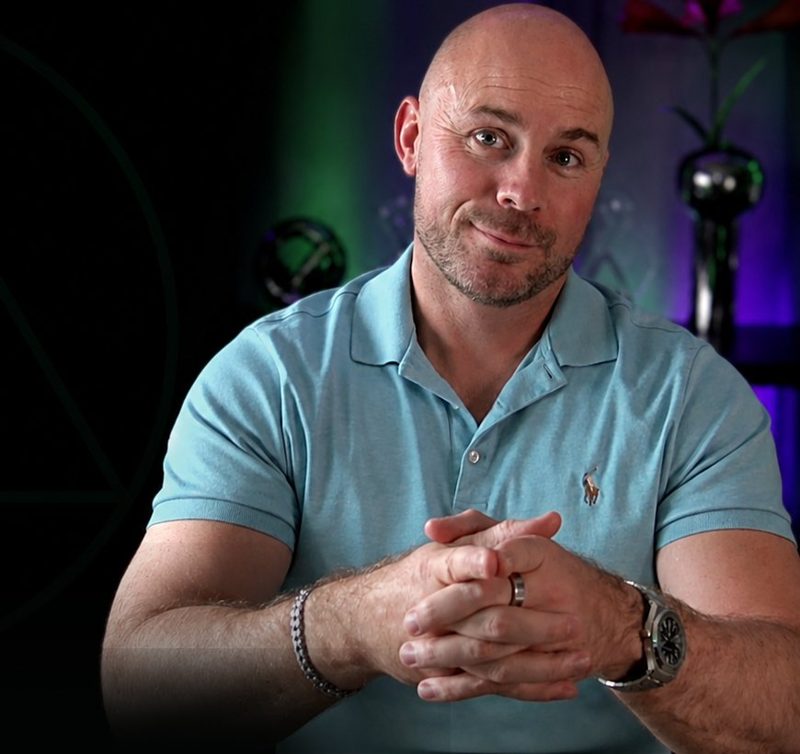
If you’ve tried to talk yourself out of this fear and it hasn’t worked, that isn’t a lack of willpower. A phobia is an alarm your mind learned, and logic alone rarely switches it off.
When a fear is less common, it can be harder to explain, so you may not have told many people about it. I work one to one over Zoom with people whose fears are holding them back, including rarer ones like this, and every plan starts with understanding what your fear is really about.
I’ve spent 17 years in clinical practice and helped more than 1,000 people with phobias. I hold a Postgraduate Certificate and a Postgraduate Diploma in Clinical Hypnotherapy, both with Distinction, and journalists and clients call me the Phobia Guru.
Common questions
How can someone be afraid of wood?
Like other specific fears, it often grows from an association, such as a painful splinter or an upsetting memory linked to a wooden object or place. It can also be partly sensory, with the texture itself feeling unpleasant.
How can you help?
I use hypnotherapy and NLP to change how your mind responds to the thing you fear, so the old alarm stops going off. Sessions are one to one over Zoom, and you get a recording of the hypnosis to listen to afterwards.
How many sessions will I need?
Many clients notice a real difference after one 90 minute session. If the fear goes back a long way, three sessions gives us room to make the change stick.
Further reading: NHS: Phobias · Mind: Phobias
Ready to start?
A short call is the simplest next step. We’ll talk about your fear, what you’d like to feel instead, and whether I’m the right person to help.
- Take the free test at the top of this page to see how strong your fear is.
- Book a 30 minute call. Use code PHOBIA at checkout for half price: £24.50 instead of £49 ($29.50 outside the UK).
- Start your sessions over Zoom from wherever you live, or face to face in Hertfordshire.
See all session options and prices