
Fear of words (logophobia)
Logophobia is a fear of words. Depending on the person, that might mean dread around reading, writing, or certain words that carry a strong emotional charge, and it can make emails, forms or exams feel much harder than they should.
Many people find that with the right help, reading, writing and certain words stop setting off dread.
Use code PHOBIA at checkout for half price: £24.50 instead of £49. Outside the UK? $29.50.
About this phobia
The name comes from the Greek logos, meaning word. It is rarely reported and not a formal diagnosis. It is different from hippopotomonstrosesquippedaliophobia, the jokey name for a fear of long words.
How it shows up
For someone with logophobia, words on a page or screen can feel loaded rather than neutral. Some feel a wave of stress at a long email or a form to fill in, while others react to certain words that bring up painful memories or images. It is not the same as finding reading tricky, though the two can overlap. The person may put off writing tasks for days, or skim and miss details in the rush to get away from the text.
Common triggers
- Long forms or official letters
- Exams and written tests
- Reading aloud in front of others
- Particular words linked to bad memories
- Writing emails to people in authority
- Having spelling or grammar checked
- Deadlines for written work
Where it shows up
- School, college and university
- Work, especially desk jobs
- Banks, councils and other offices
- Book clubs or meetings with handouts
- Home when the post arrives
- Job applications
Symptoms
In your body
- Tight chest
- Headache or eye strain
- Restlessness
- Sweating
- Fast heartbeat
In your mind
- Fear of getting words wrong
- Mind going blank when reading
- Strong emotional reaction to certain words
- Feeling stupid or exposed
What you might do
- Putting off reading or writing
- Asking others to read or reply
- Skimming without taking things in
- Avoiding jobs with lots of paperwork
What may cause it
There is little research on logophobia itself. A struggle with reading or spelling at school, being shamed for mistakes, or dyslexia that was never picked up can leave a lasting fear around words. For others, specific words hold a strong charge because of a past event. Avoidance gives short-term relief, but each delay can make the next task feel bigger.
How it can affect your life
Work, study and everyday admin can become harder, and important letters may go unread. People sometimes feel embarrassed and hide the fear, which adds to the strain. It can also limit career choices, as people may steer away from roles that involve reports or lots of emails.
Related fears
- Fear of writing (graphophobia)
- Fear of public speaking (glossophobia)
- Exam anxiety
Things that can help day to day
- Break reading or writing into small chunks with short breaks
- Use text to speech or larger print if it helps
- Start with easy writing, like a short note to a friend
- Write a quick rough draft before worrying about the wording
When to get help
If you think dyslexia or another learning difference may be part of it, ask your GP, college or employer about an assessment. A therapist can help if the fear is linked to past shame or to certain painful words.
Explore more unusual fears in the rare phobias A to Z, or browse the common phobias.
About me
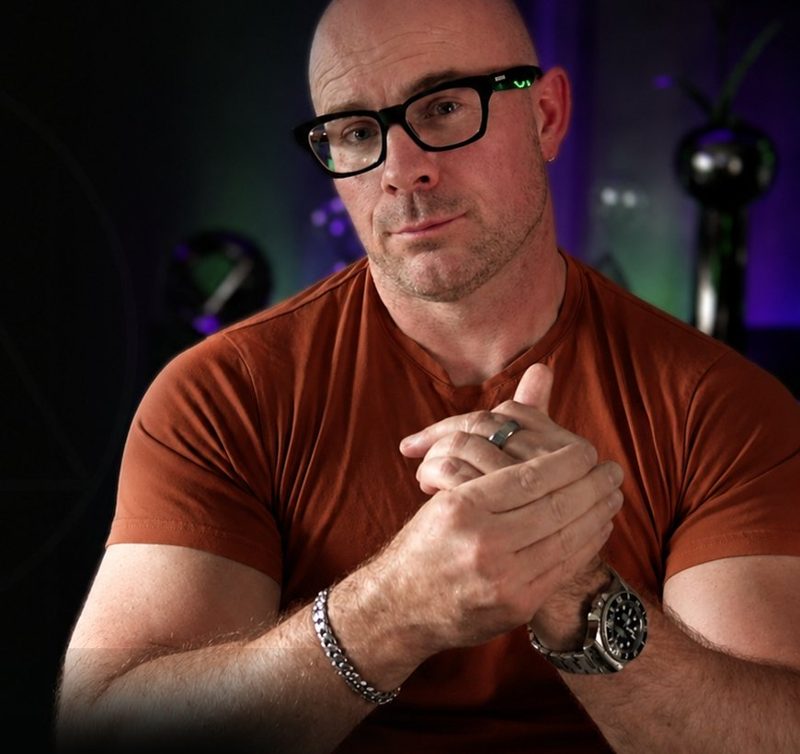
If you’ve tried to talk yourself out of this fear and it hasn’t worked, that isn’t a lack of willpower. A phobia is an alarm your mind learned, and logic alone rarely switches it off.
When a fear is less common, it can be harder to explain, so you may not have told many people about it. I work one to one over Zoom with people whose fears are holding them back, including rarer ones like this, and every plan starts with understanding what your fear is really about.
I’ve spent 17 years in clinical practice and helped more than 1,000 people with phobias. I hold a Postgraduate Certificate and a Postgraduate Diploma in Clinical Hypnotherapy, both with Distinction, and journalists and clients call me the Phobia Guru.
Common questions
Is a fear of words linked to dyslexia?
It can be for some people. Years of struggling with reading or spelling can leave a lasting worry around words. A dyslexia assessment can be useful if this sounds familiar, though not everyone with logophobia has dyslexia.
How can you help?
I use hypnotherapy and NLP to change how your mind responds to the thing you fear, so the old alarm stops going off. Sessions are one to one over Zoom, and you get a recording of the hypnosis to listen to afterwards.
How many sessions will I need?
Many clients notice a real difference after one 90 minute session. If the fear goes back a long way, three sessions gives us room to make the change stick.
Further reading: Healthline: Glossophobia · NHS: Social anxiety · NHS: Phobias
Ready to start?
A short call is the simplest next step. We’ll talk about your fear, what you’d like to feel instead, and whether I’m the right person to help.
- Take the free test at the top of this page to see how strong your fear is.
- Book a 30 minute call. Use code PHOBIA at checkout for half price: £24.50 instead of £49 ($29.50 outside the UK).
- Start your sessions over Zoom from wherever you live, or face to face in Hertfordshire.
See all session options and prices