
Fear of work (ergophobia)
En español: lee sobre este miedo en Fobias.org.
A fear of work can show up as dread on Sunday evenings, a knot in the stomach on the commute, or panic about meetings, deadlines and being judged on your performance. It is stressful, but it can be helped.
Many people find that with the right help, Sunday evenings feel lighter and meetings and deadlines become manageable again.
Use code PHOBIA at checkout for half price: £24.50 instead of £49. Outside the UK? $29.50.
Understanding this fear
Ergophobia is a strong, lasting fear of work or of going to work. It can centre on the tasks and deadlines, on meetings and speaking up, or on the people you work with. Everyone has the odd bad week or Monday morning groan, but with a phobia the anxiety is intense and out of proportion, and it keeps coming back. It often follows you from one job to the next.
It is not a separate diagnosis and is usually seen as a type of specific phobia, and research on it is limited. It often overlaps with social anxiety, worries about performance, burnout, low mood or general anxiety. Some people can point to a bad experience, such as a harsh manager or being humiliated in front of colleagues, while for others it builds slowly under pressure. Because the signs can look like laziness from the outside, people with it often feel misunderstood.
Common triggers
- Sunday evenings and the night before work
- The alarm going off on a work day
- Emails or messages from a manager
- Performance reviews and appraisals
- Deadlines and targets
- Speaking in meetings
- Job interviews and first days
- Being asked to take on more responsibility
- Work calls during time off
Where it shows up
- The commute to work
- Open plan offices and shared desks
- Meeting rooms and video calls
- Shop floors and customer facing roles
- Interview rooms and job centres
- Home offices when the laptop opens
- Work social events
Symptoms
In your body
- Knot in the stomach on work mornings
- Racing heart and sweating
- Dry mouth
- Feeling short of breath or smothered
- Tension headaches
- Poor sleep before work days
- Panic attacks
In your mind
- Fear of being judged or found out as not good enough
- Replaying mistakes or criticism
- Dread of a particular boss or colleague
- Worry about losing your job
- Feeling overwhelmed before the day has begun
What you might do
- Calling in sick or arriving late
- Putting off tasks until the last minute
- Changing jobs often
- Turning down promotions or extra responsibility
- Checking work over and over
- Avoiding certain colleagues or meetings
What causes it
A fear of work often starts with a painful experience, such as being shouted at or embarrassed in front of others, making a serious mistake, or working under a bullying manager. Seeing or hearing about bullying happen to someone else can plant the fear too. Long stretches of stress and burnout can wear you down until work itself becomes a trigger. Existing anxiety, low mood or a fear of being judged make it more likely to take hold. Avoidance keeps it going, because each day off brings relief, which teaches the mind that work is dangerous and staying away is the answer.
How it can affect your life
This fear can affect money, career and confidence. People may miss days, change jobs often or settle for work below their ability to avoid pressure. Relationships can be strained when a partner does not understand why going to work feels so hard. Over time it can also feed low mood and a sense of being stuck.
Things that can help day to day
- Prepare for the next day the evening before so mornings feel calmer
- Practise slow breathing on the commute or before opening your laptop
- Break big tasks into small, clear steps and tick them off
- Write down worried thoughts and look for a more balanced view
- Keep caffeine low on work mornings and protect your sleep
When to get help
If you are missing work regularly, feeling dread every day or noticing your mood dropping, it is worth getting help. Your GP is a good first port of call if anxiety is affecting your daily life, and you can also refer yourself to NHS talking therapies. If bullying or harassment is involved, speaking to HR, a union or a trusted manager can help tackle the cause. If you are feeling very low, please talk to your GP or call Samaritans on 116 123.
How I can help
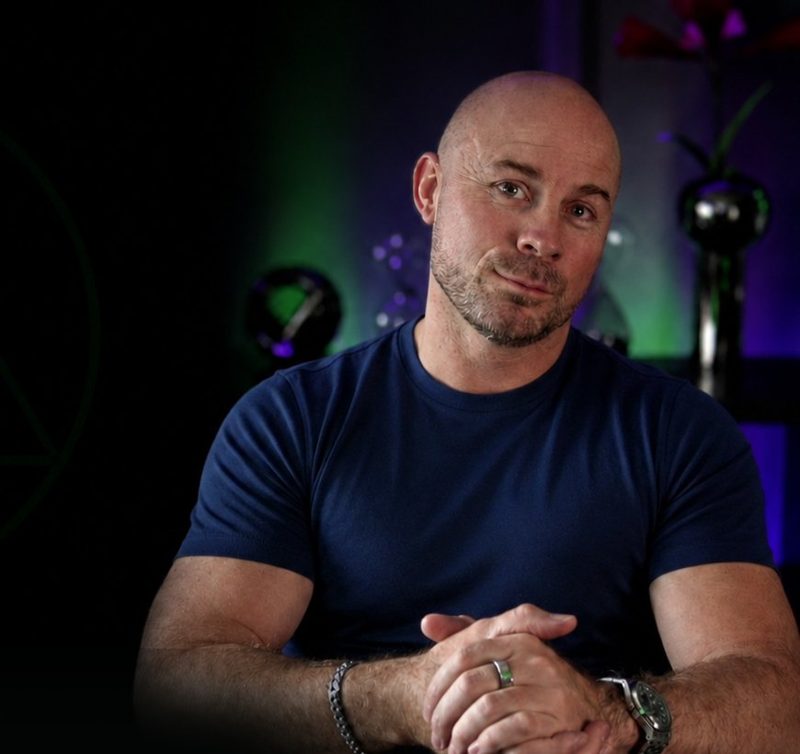
If you’ve tried to talk yourself out of this fear and it hasn’t worked, that isn’t a lack of willpower. A phobia is an alarm your mind learned, and logic alone rarely switches it off.
When I work with a fear of work, I first want to understand what it is really about, whether that is being judged, a past manager, fear of failing or something older. Using hypnotherapy and NLP over Zoom, I help you take the charge out of the moments that taught your mind to dread work. We then rehearse the working day in your mind, walking in, speaking in meetings and handling feedback while feeling steady. Many clients find the Sunday night dread eases and they feel more like themselves at work.
I’ve spent 17 years in clinical practice and helped more than 1,000 people with phobias. I hold a Postgraduate Certificate and a Postgraduate Diploma in Clinical Hypnotherapy, both with Distinction.
Common questions
Can you really have a phobia of work?
Yes. It is not listed as a separate medical diagnosis, but a strong and lasting fear of work can be understood as a specific phobia. It is about anxiety, not about being lazy or unwilling.
Can burnout turn into a fear of work?
It can. Long periods of stress and exhaustion can leave you so drained that work itself starts to set off the alarm. Rest and support help, and so does working on the fear response directly.
Should I tell my employer I am anxious about work?
That is your choice, but many people find a trusted manager or HR can make helpful changes, such as clearer deadlines or a phased return. If you need time off, your GP can also advise.
Is this just a dislike of my job?
Not necessarily. Disliking a job is about the job itself, while a phobia brings strong anxiety that follows you from one workplace to the next. If the fear feels out of proportion to what is actually happening, it is worth working on.
How can you help?
I use hypnotherapy and NLP to change how your mind responds to the thing you fear, so the old alarm stops going off. Sessions are one to one over Zoom, and you get a recording of the hypnosis to listen to afterwards.
How many sessions will I need?
Many clients notice a real difference after one 90 minute session. If the fear goes back a long way, three sessions gives us room to make the change stick.
Further reading: TU Braunschweig: Work anxieties and workplace phobia research · Mind: About phobias · NHS: Phobias
Ready to start?
A short call is the simplest next step. We’ll talk about your fear, what you’d like to feel instead, and whether I’m the right person to help.
- Take the free test at the top of this page to see how strong your fear is.
- Book a 30 minute call. Use code PHOBIA at checkout for half price: £24.50 instead of £49 ($29.50 outside the UK).
- Start your sessions over Zoom from wherever you live, or face to face in Hertfordshire.
See all session options and prices