
Fear of your mother-in-law (pentheraphobia)
Pentheraphobia is a fear of your mother-in-law. It may show up as dread before family visits, tension during phone calls, or worry about being judged or criticised. Although it is often the subject of jokes, the anxiety can feel very real and can put strain on a relationship.
Many people find that with the right help, visits with their mother-in-law feel calmer and easier to enjoy.
Use code PHOBIA at checkout for half price: £24.50 instead of £49. Outside the UK? $29.50.
About this phobia
The name comes from the Greek penthera, meaning mother-in-law. It is not a recognised clinical diagnosis and is mostly found on phobia lists and in light-hearted articles. It is related to soceraphobia, a broader fear of parents-in-law.
How it shows up
Pentheraphobia is often played for laughs, but people who feel it describe something more serious. There can be a knot of dread days before a Sunday lunch, or a racing heart when her name lights up the phone. Some friction with in-laws is very common, and this goes beyond it, with fear that shapes plans and colours the relationship with a partner. Sometimes the fear relates to how she has behaved, and sometimes it is more about the pressure of fitting into a new family.
Common triggers
- Planned visits or holidays together
- Phone calls or messages from her
- Comments about parenting, cooking or the home
- Feeling compared with others
- Family celebrations
- Being left alone with her
- Visits that happen without warning
Where it shows up
- Family meals
- Christmas and birthdays
- Weddings and christenings
- Her home or yours
- Family group chats
- Long car rides together
Symptoms
In your body
- Tension in the jaw or shoulders
- Upset stomach
- Racing heart
- Feeling hot
- Trouble sleeping before visits
In your mind
- Expecting criticism
- Replaying past comments
- Feeling like an outsider
- Second-guessing everything you say
What you might do
- Making excuses to avoid visits
- Leaving all contact to a partner
- Staying quiet to keep the peace
- Over-preparing before she arrives
What may cause it
There is no research on this fear by itself, but anxiety around in-laws is widely talked about. It can grow from real criticism or conflict, from feeling judged as a newcomer, or from earlier experiences with difficult parent figures. Avoiding contact gives short relief but tends to make the next meeting feel bigger. A partner’s mixed loyalties, caught between parent and spouse, can add to the strain on everyone.
How it can affect your life
The fear can lead to arguments with a partner about how often to see family. It may also affect children’s time with grandparents and turn holidays into something to dread rather than enjoy. Over time, the person may feel guilty for not getting on with someone their partner loves.
Related fears
- Fear of parents-in-law (soceraphobia)
- Fear of relatives (syngenesophobia)
- Fear of criticism or judgement
- Social anxiety
Things that can help day to day
- Agree with your partner beforehand how long visits will last
- Plan a shared activity so there is less pressure to make conversation
- Prepare a few calm replies for comments that sting
- Take short breaks, such as a walk or a trip to the shop, during long visits
When to get help
If the fear links to past mistreatment, by her or by anyone else, a GP or specialist counsellor can help. Couples counselling may also help if it is putting strain on your relationship.
Explore more unusual fears in the rare phobias A to Z, or browse the common phobias.
About me
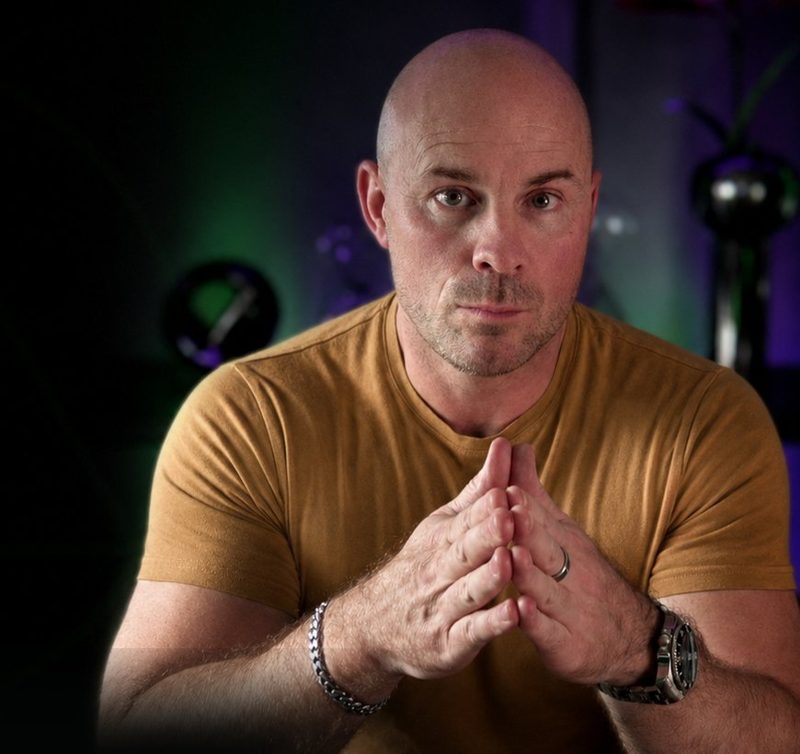
If you’ve tried to talk yourself out of this fear and it hasn’t worked, that isn’t a lack of willpower. A phobia is an alarm your mind learned, and logic alone rarely switches it off.
When a fear is less common, it can be harder to explain, so you may not have told many people about it. I work one to one over Zoom with people whose fears are holding them back, including rarer ones like this, and every plan starts with understanding what your fear is really about.
I’ve spent 17 years in clinical practice and helped more than 1,000 people with phobias. I hold a Postgraduate Certificate and a Postgraduate Diploma in Clinical Hypnotherapy, both with Distinction, and journalists and clients call me the Phobia Guru.
Common questions
What if the fear comes from how I have been treated?
Sometimes this fear grows out of real criticism, control or unkind behaviour, rather than nerves alone. If that is the case, a GP or specialist counsellor can help you work through what has happened and decide what boundaries feel right. Talking openly with your partner can also make a big difference.
How can you help?
I use hypnotherapy and NLP to change how your mind responds to the thing you fear, so the old alarm stops going off. Sessions are one to one over Zoom, and you get a recording of the hypnosis to listen to afterwards.
How many sessions will I need?
Many clients notice a real difference after one 90 minute session. If the fear goes back a long way, three sessions gives us room to make the change stick.
Further reading: NHS: Social anxiety · Mind: Understanding phobias · NHS: Phobias
Ready to start?
A short call is the simplest next step. We’ll talk about your fear, what you’d like to feel instead, and whether I’m the right person to help.
- Take the free test at the top of this page to see how strong your fear is.
- Book a 30 minute call. Use code PHOBIA at checkout for half price: £24.50 instead of £49 ($29.50 outside the UK).
- Start your sessions over Zoom from wherever you live, or face to face in Hertfordshire.
See all session options and prices