
Fear of zombies (kinemortophobia)
Kinemortophobia is listed online as a fear of zombies. Zombies are not real, but a frightening film, game or story can leave people uneasy, especially at night, in empty places or when alone.
Many people find that with the right help, a zombie film or a Halloween costume becomes just entertainment again.
Use code PHOBIA at checkout for half price: £24.50 instead of £49. Outside the UK? $29.50.
About this phobia
This is an internet list term, probably modelled on film culture, and not a recognised phobia. There is no clinical record of it. A fear of zombies often overlaps with a fear of the dark or of horror imagery, both of which are better known.
How it shows up
Enjoying a zombie film and then feeling a little jumpy on the walk home is very normal. For some people, though, the images stay much longer, leading to trouble sleeping, checking doors and windows, or refusing to watch anything with a horror theme. Children and teenagers can be especially affected after seeing something meant for older viewers, perhaps at a sleepover or on a friend’s phone. Lasting fear that shapes behaviour is different from enjoying a good scare.
Common triggers
- Horror films and TV series
- Video games featuring zombies
- Halloween costumes and make up
- Shuffling footsteps or groans in the dark
- Trailers that appear without warning
- Being alone at night
- Zombie stories shared at school or work
Where it shows up
- Bedrooms at night
- Empty streets or car parks after dark
- Halloween events and fright nights
- Cinemas and game shops
- Sleepovers where scary films are shown
- Camping trips and dark woods
Symptoms
In your body
- Racing heart
- Trouble falling asleep
- Jumpy startle
- Sweating
- Tense muscles
In your mind
- Vivid images replaying
- Nightmares
- Imagining something lurking nearby
- Feeling that the images could be real
What you might do
- Leaving lights on
- Avoiding horror films and games
- Checking locks repeatedly
- Avoiding being alone at night
What may cause it
There is no clinical record of a fear of zombies, but fears that follow horror films and games are well recognised, particularly in young people. Something seen too early, or at a vulnerable time, can leave strong images that the mind replays, especially at night. Darkness and tiredness make those images feel more real. Avoiding anything related can keep the fear sharp.
How it can affect your life
The main effects tend to fall on sleep and evenings, with some people unable to settle without a light on. It can also make social plans awkward when friends enjoy horror films or games. Parents may notice a child asking to sleep in their room or avoiding a dark landing after a film.
Related fears
- Fear of the dark (nyctophobia)
- Fear of ghosts (phasmophobia)
- Fear of being alone (monophobia)
- Fear of death or dead bodies (necrophobia)
Things that can help day to day
- Swap scary viewing for something gentle and familiar in the hour before bed
- Remind yourself that zombies were dreamed up by writers and film makers
- Watch behind the scenes clips that show the make up and effects
- Use a night light or calming audio to help you settle
When to get help
If fear or nightmares affect your sleep for more than a few weeks, see your GP. For a child, talk to the GP or school if worries are lasting, growing or spreading into the daytime.
Explore more unusual fears in the rare phobias A to Z, or browse the common phobias.
About me
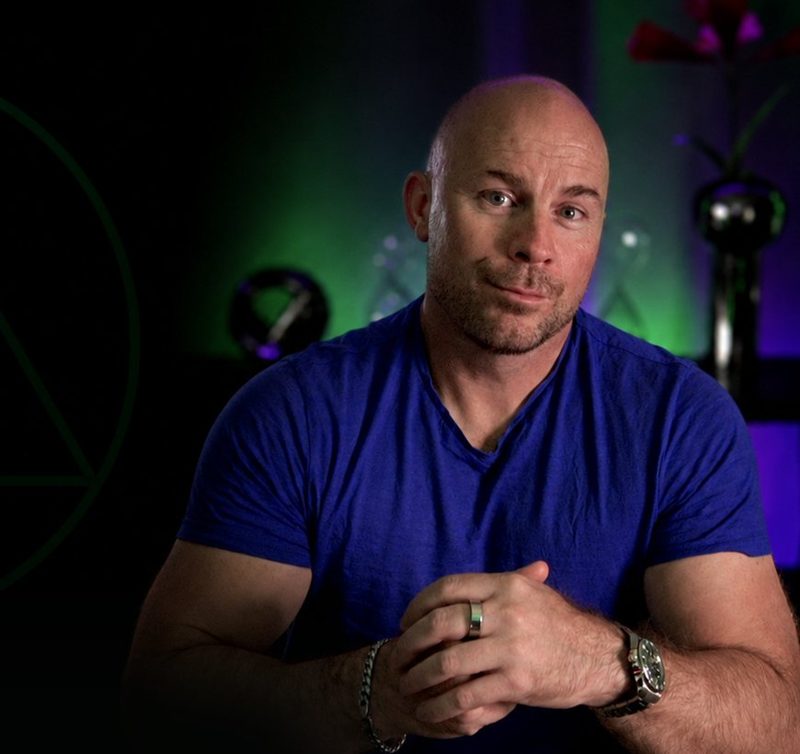
If you’ve tried to talk yourself out of this fear and it hasn’t worked, that isn’t a lack of willpower. A phobia is an alarm your mind learned, and logic alone rarely switches it off.
When a fear is less common, it can be harder to explain, so you may not have told many people about it. I work one to one over Zoom with people whose fears are holding them back, including rarer ones like this, and every plan starts with understanding what your fear is really about.
I’ve spent 17 years in clinical practice and helped more than 1,000 people with phobias. I hold a Postgraduate Certificate and a Postgraduate Diploma in Clinical Hypnotherapy, both with Distinction, and journalists and clients call me the Phobia Guru.
Common questions
Why do zombie films stay with me long after watching?
Horror is designed to set off the body’s alarm system, and vivid scenes can replay in the mind, especially when tired. This is common and usually fades. If the images keep you awake for long periods, it may help to talk it through with someone you trust.
How can you help?
I use hypnotherapy and NLP to change how your mind responds to the thing you fear, so the old alarm stops going off. Sessions are one to one over Zoom, and you get a recording of the hypnosis to listen to afterwards.
How many sessions will I need?
Many clients notice a real difference after one 90 minute session. If the fear goes back a long way, three sessions gives us room to make the change stick.
Further reading: Cleveland Clinic: Thanatophobia · Healthline: Phasmophobia · Healthline: Nyctophobia
Ready to start?
A short call is the simplest next step. We’ll talk about your fear, what you’d like to feel instead, and whether I’m the right person to help.
- Take the free test at the top of this page to see how strong your fear is.
- Book a 30 minute call. Use code PHOBIA at checkout for half price: £24.50 instead of £49 ($29.50 outside the UK).
- Start your sessions over Zoom from wherever you live, or face to face in Hertfordshire.
See all session options and prices