
Generalised anxiety (panophobia)
En español: lee sobre este miedo en Fobias.org.
Some people don’t fear one particular thing. They feel anxious about many things, much of the time, and find it hard to switch off.
Many people find that with the right help, the constant background worry quietens and switching off at the end of the day becomes possible again.
Use code PHOBIA at checkout for half price: £24.50 instead of £49. Outside the UK? $29.50.
Understanding this fear
Generalised anxiety disorder, often shortened to GAD, is a long-term condition where you feel anxious about lots of different things, rather than one specific fear. Panophobia is an older word for a vague fear of everything, and many people with GAD say it can feel just like that. Everyone worries sometimes, but with GAD the worry is hard to control, jumps from one topic to the next and gets in the way of daily life. A GP may diagnose it if you have felt anxious much of the time for at least six months.
The NHS describes GAD as common, and more common in women than in men. It often runs alongside other problems such as panic attacks, phobias or low mood. It can build slowly over years, sometimes after a stressful period, a long-term health condition or difficult experiences. Having close relatives with anxiety or depression can also make it more likely.
Common triggers
- Uncertainty about money, work or health
- Waiting for news or test results
- Loved ones being late or out of contact
- Small decisions that suddenly feel huge
- Busy days with lots to juggle
- Lying in bed at night with nothing to distract you
- News stories and social media
- Body sensations you start to worry about
- Changes to plans or routine
Where it shows up
- At home in the evening when things go quiet
- Work, especially around deadlines or reviews
- Bed, when trying to get to sleep
- Medical appointments and waiting rooms
- Busy shops or travel where things feel out of your control
- Family events with lots to organise
Symptoms
In your body
- Muscle tension, especially in the neck, shoulders and jaw
- Trouble getting to sleep or staying asleep
- Tiring easily or feeling drained
- A noticeable or fast heartbeat
- Stomach problems such as churning or loose bowels
- Feeling dizzy or light-headed
In your mind
- Something bad is bound to happen
- Worry that jumps from one topic to the next
- Finding it hard to concentrate or switch off
- Feeling restless, on edge or irritable
- Worrying about the worrying itself
- Low mood alongside the anxiety
What you might do
- Asking others for reassurance again and again
- Checking messages, emails or the news repeatedly
- Over-planning and making lists to stay in control
- Putting off tasks or decisions
- Avoiding situations that feel uncertain
- Relying on alcohol or other habits to wind down
What causes it
There is usually no single cause of GAD. The NHS lists factors that raise the risk, including having another anxiety condition, close relatives with anxiety or depression, stressful or traumatic experiences such as bullying or abuse, a painful long-term health condition, and a history of alcohol or drug misuse. Some people grow up learning that the world is unsafe and that worrying keeps them prepared. Worry can feel useful, as if it stops bad things happening, and that belief keeps it going. Avoiding uncertain situations and seeking constant reassurance bring short-term relief but teach the mind that the worry was needed.
How it can affect your life
GAD can be exhausting. Poor sleep and constant tension can drain energy, concentration and performance at work, and some people turn down promotions or new chances because the extra worry feels like too much. Relationships can be strained by irritability or the need for reassurance. Many people say they struggle to enjoy good moments because they are already bracing for the next problem.
Things that can help day to day
- Practise slow breathing, yoga or pilates to calm the body
- Cut back on coffee, tea, cola and energy drinks, as caffeine can disrupt sleep and add to anxiety
- Keep regular sleep, meals and exercise, such as a daily walk
- Set a short worry time each day and park worries until then
- Gradually spend more time in situations you have been avoiding, rather than dodging them
When to get help
See your GP if you think you might have GAD, if worry is affecting your sleep, work or relationships, or if treatment you already have is not helping. In England, adults can also refer themselves to NHS talking therapies without seeing a GP first. If your mood feels very low, you can talk to Samaritans on 116 123 at any time.
How I can help
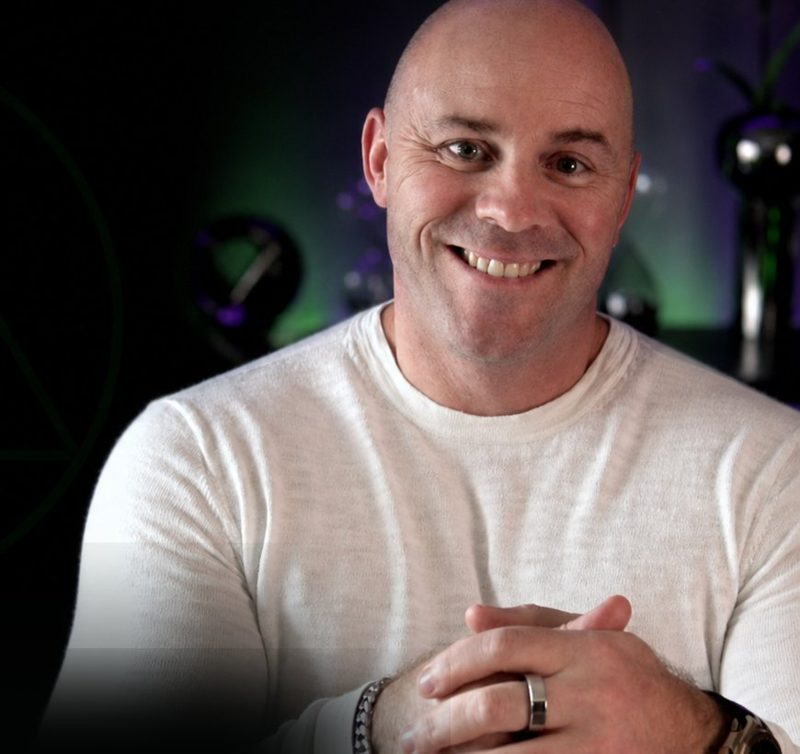
If you’ve tried to talk yourself out of this fear and it hasn’t worked, that isn’t a lack of willpower. A phobia is an alarm your mind learned, and logic alone rarely switches it off.
With generalised anxiety, I am not chasing one fear but helping your whole system learn to stand down. Over Zoom, I use hypnotherapy and NLP to teach your body what deep calm feels like, then we link that calm to the moments where worry usually takes over. We also look at the beliefs that keep worry going, such as the sense that you must stay on guard to stay safe. This works alongside any care from your GP, and many clients find the recording becomes a dependable way to switch off in the evening.
I’ve spent 17 years in clinical practice and helped more than 1,000 people with phobias. I hold a Postgraduate Certificate and a Postgraduate Diploma in Clinical Hypnotherapy, both with Distinction.
Generalised anxiety disorder is a condition your GP can diagnose and support you with. Hypnotherapy can work alongside that care.
Common questions
What is the difference between normal worry and GAD?
Most people worry now and then, usually about something specific, and it passes. With GAD the worry is there most days, covers lots of different things and is hard to control, often for six months or more. It also tends to come with physical signs such as tension and poor sleep.
Is panophobia the same as generalised anxiety disorder?
Not quite. Panophobia is an old, informal word for a fear of everything and is not a medical diagnosis. Generalised anxiety disorder is the recognised condition your GP can diagnose, and it describes the same feeling of anxiety spreading across many areas of life.
Can generalised anxiety get better?
Yes. The NHS says treatment can help, though it may take time. Talking therapies, self-help and support from your GP can all make a real difference.
Where does it come from?
It can build up over years, often after a stressful period, and can run in families. It isn’t a weakness, and it can change.
How do sessions work?
I use hypnotherapy and NLP to change how your mind responds to everyday worries. Sessions are one to one over Zoom, and you get a recording of the hypnosis to listen to afterwards.
How many sessions will I need?
Many clients notice a real difference after one 90 minute session. If the fear goes back a long way, three sessions gives us room to make the change stick.
Further reading: NHS: Generalised anxiety disorder in adults · NHS: Self-help for generalised anxiety disorder · Mind: Anxiety disorders
Ready to start?
A short call is the simplest next step. We’ll talk about your fear, what you’d like to feel instead, and whether I’m the right person to help.
- Take the free test at the top of this page to see how strong your fear is.
- Book a 30 minute call. Use code PHOBIA at checkout for half price: £24.50 instead of £49 ($29.50 outside the UK).
- Start your sessions over Zoom from wherever you live, or face to face in Hertfordshire.
See all session options and prices