
Arithmomania (compulsive counting)
En español: lee sobre esta manía en Fobias.org.
Counting the stairs as you climb them can be a harmless quirk. For some people, though, counting starts to feel like a rule they must obey. If you lose count, you have to start again. If a number does not feel right, you worry that something bad might happen. Because most of the counting happens in your head, nobody else may know how tiring it is.
What it is
Arithmomania is an old term for a strong need to count things, such as steps, objects, letters or words, or to do sums in your head, to ease anxiety. Doctors do not use it as a diagnosis today. Instead, they talk about counting compulsions, which are often part of obsessive compulsive disorder (OCD). In OCD, unwanted thoughts cause distress, and the person feels driven to repeat certain acts, seen or purely mental, to ease it.
Counting may go on until you reach a number that feels good, right or safe, or a task may be repeated a set number of times. Some people feel uneasy about numbers that seem unlucky. Enjoying numbers or counting now and then is not a problem. Very little research has been done on counting on its own, so most of what is known comes from studies of OCD in general.
How it differs from a phobia
A phobia is a fear that makes you avoid something. Arithmomania is an urge that pulls you towards an action, counting, again and again. There may be a fear underneath, such as something bad happening to someone you love, but what you notice day to day is the pull to count and the unease if you do not.
Read more about manias and phobias
Common signs
- Counting steps, objects, letters or words
- Repeating an action a set number of times
- Starting again if you lose count
- Feeling uneasy until you reach the right number
- Avoiding certain numbers in dates, times or amounts
- Trouble focusing because your mind is busy counting
When it tends to show up
- Going up or down stairs
- Walking along a street or corridor
- Washing, dressing or getting ready
- Reading signs, number plates or text
- Switching off lights or closing doors
- Lying in bed before sleep
- Waiting for a bus or sitting on a train
- During stress, tiredness or exams
Symptoms
In your body
- Tension if your counting is interrupted
- Restlessness until the number feels right
- Mental tiredness by the end of the day
- Trouble getting to sleep
- A short wave of relief when you finish counting
In your mind
- A feeling that something bad will happen if you do not count
- Seeing some numbers as good and others as bad
- A need for things to feel just right or complete
- Doubt about whether you counted properly
- Knowing it does not make sense yet feeling unable to stop
What you might do
- Count in your head so nobody notices
- Repeat actions until the count feels right
- Do sums with numbers you see around you
- Avoid choices that land on an unlucky number
- Hide the counting out of embarrassment
What causes it
Nobody knows exactly what causes counting compulsions. When they are part of OCD, several things may combine, including family history, differences in how the brain works, and stressful or traumatic events. Thinking styles also seem to matter, such as treating a passing thought as a warning or feeling very responsible for keeping others safe.
Once counting takes hold, it keeps itself going. Counting eases the worry for a moment, so your mind decides it was needed, and next time the pull comes back stronger. It is not a lack of willpower.
How it can affect your life
Counting can take a lot of your attention. Reading, listening in class or following a conversation gets harder when part of your mind is busy counting, and simple tasks take longer when they have to be repeated. Some people run late because they have to restart a routine, or avoid activities because of the numbers involved. As it is often invisible, many people live with it alone for years, which can wear down mood and confidence.
Treatment
In the UK, your GP is the usual first step, and in England you can also refer yourself to an NHS talking therapies service. If the counting is part of OCD, the main talking therapy is cognitive behavioural therapy (CBT) with exposure and response prevention (ERP). With a therapist, you learn to sit with the discomfort of leaving a count unfinished or stopping on the wrong number, so the anxiety can fade without the ritual.
A doctor may also talk to you about medication, usually an SSRI antidepressant, especially if OCD is more severe. For children and teenagers, the GP can point you to NHS mental health support for young people, and parents are often involved in therapy.
Things that can help day to day
- Notice when the urge to count appears and what sets it off
- Remind yourself that the worry also eases on its own if you give it time
- If it feels manageable, leave a count unfinished and notice what happens
- Breathe slowly when the tension rises
- Tell someone you trust rather than keeping it hidden
- Protect your sleep and slow down during very stressful spells
When to get help
Talk to your GP if counting takes up a lot of your time, causes you distress or gets in the way of study, work, sleep or relationships. If you are worried about a child, speak to your GP or health visitor. OCD is unlikely to improve without the right support, and OCD-UK and OCD Action offer information, support groups and advice for families.
If you are also feeling very low, talk to your GP or call Samaritans free on 116 123. If you ever feel you might harm yourself or someone else, call 999 or go to A and E. For urgent mental health advice, call NHS 111 and choose the mental health option.
See also: Ablutomania (compulsive washing) · Compulsive cleaning
How I can help
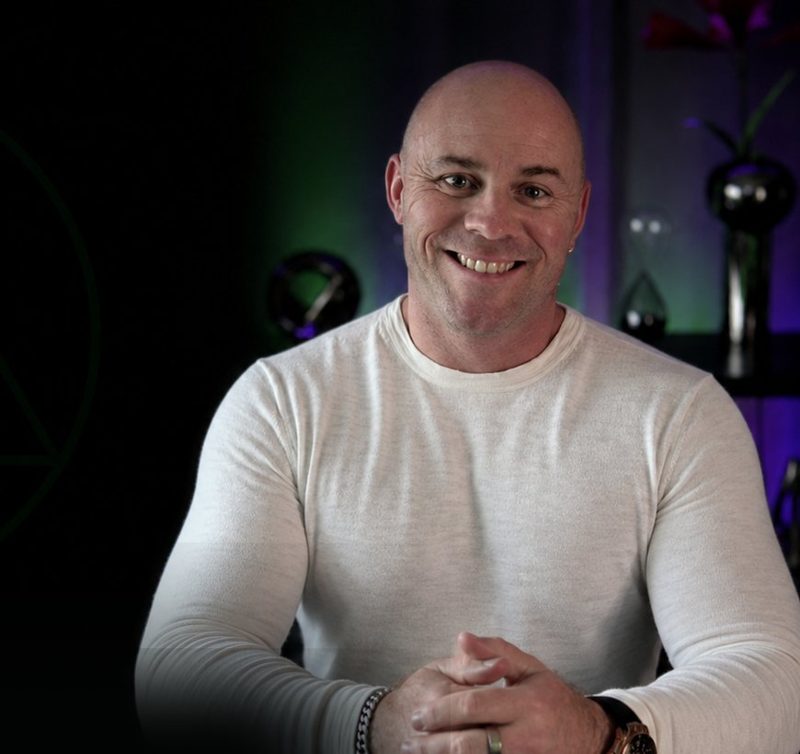
When I work with someone who feels they have to count, over Zoom, I use hypnotherapy and NLP to help them notice the moments before the urge kicks in and to settle the tension underneath it. Together we rehearse leaving a count unfinished or stopping on a number that does not feel right, and we build tolerance of that uncertainty. If the counting is part of OCD, the main treatment is CBT with exposure and response prevention, and my work fits alongside it, not instead of it. Many clients find the urge loses some of its grip when they feel calmer in those moments.
Common questions
Is counting everything a sign of OCD?
It can be, but not always. Counting is one of the common compulsions in OCD, especially when it is done to calm a fear, takes up lots of time and causes distress. Counting out of habit or for fun, without distress, is something else. Only a professional can assess this.
Why do I feel I have to reach an exact number?
In OCD it is common to feel a task is only finished properly when it ends on a number that feels good or safe, or to worry about a number that seems unlucky. The feeling is very real, even when you know it does not make sense, and it tends to ease with treatment.
Is it normal for a child to count everything?
Many children count as part of play or while learning numbers, and that is normal. It is worth talking to your GP if a child gets very upset when they cannot count, repeats rituals that take up lots of time, or fears something bad will happen if they do not.
What is the difference between arithmomania and liking numbers?
Enjoying maths, puzzles or data is a hobby. With arithmomania, counting brings no real pleasure, it feels compulsory and leaves you uneasy if you do not do it. The key signs are distress and how much it gets in the way of daily life.
Further reading: NHS: Obsessive compulsive disorder (OCD), overview · NHS: Obsessive compulsive disorder (OCD), treatment · International OCD Foundation: What is OCD? · OCD-UK: Types of OCD · Nemours KidsHealth: Obsessive-compulsive disorder (OCD) for teens
Ready to start?
Book a 30-minute consultation call over Zoom and we can talk it through, with no obligation to book anything afterwards. Use the code PHOBIA when you pay and the call is half price: £24.50 instead of £49.