
Hoarding (syllogomania)
Every item can feel as though it matters, and the thought of letting something go can bring real panic. Over time the home fills up, everyday life gets harder, and it can feel impossible to know where to begin or who to tell.
What it is
Hoarding disorder, sometimes called by the older name syllogomania, is a condition where someone gathers a large number of things and finds it very hard to get rid of them, even when the clutter makes their home difficult to live in. The items are often things other people see little value in, such as post, bags, newspapers or packaging, but they can also be rescued animals or digital files. For many years hoarding was seen as a type of OCD, but in 2013 it was recognised as a separate condition in the main American diagnostic manual (DSM-5). The two can still happen together, which is why a doctor will look at the whole picture.
Hoarding often begins in the teenage years, starts to get in the way of life in the mid-20s, and tends to become a bigger problem from the mid-30s onwards, so it is most often seen in older adults. Some estimates suggest that around 2 to 6 in every 100 adults may have symptoms. Many people who hoard do not see it as a problem, so it is often family, friends or neighbours who notice first. It can sit alongside depression, anxiety, OCD, ADHD or autism, and sometimes it is part of another health problem such as dementia or a brain injury.
How it differs from a phobia
At first glance hoarding can look like fear, because letting things go can bring real anxiety. But the main pull is towards objects: a strong attachment to them, a feeling they must be kept just in case, and often a lift when something new comes home. Keeping an item brings brief relief, while the build-up of clutter brings stress, shame and conflict later. A phobia pushes you away from something; hoarding holds on tight.
Read more about manias and phobias
Common signs
- Rooms that can no longer be used for what they are meant for
- Clutter blocking doorways, stairs or hallways
- Strong distress at the thought of throwing things away
- Keeping things others see little value in, like post or bags
- Buying or picking up free things with no space for them
- Finding it very hard to decide what to keep or how to sort it
- Not letting visitors or tradespeople into the home
- Regular disagreements with family about belongings
When it tends to show up
- Seeing something free, on offer or in a sale
- Junk mail, leaflets or newspapers arriving
- Passing a charity shop or car boot sale
- Thinking an item might be useful one day
- Being asked to throw something away
- Grief, loss or a big change in life
- Feeling lonely, stressed or low
- Someone else moving or touching your things
Symptoms
In your body
- Tension or panic when asked to let things go
- A lift or buzz when getting something new
- Poor sleep, sometimes because the bed is hard to use
- Bumps, bruises or injuries from trips and falls
- Breathing or skin problems from dust, damp or pests
In your mind
- Feeling items must be kept just in case
- Worry about forgetting something important
- Feeling that throwing things away is wasteful or wrong
- Seeing belongings as a source of safety or comfort
- Shame or embarrassment about the state of the home
- Feeling overwhelmed and not knowing where to start
What you might do
- Acquiring more than there is room for
- Putting off sorting because it feels too upsetting
- Keeping paperwork, bags, packaging or old newspapers
- Struggling with cooking, cleaning or paying bills
- Turning away visitors, repairs or offers of help
What causes it
Nobody knows exactly what causes hoarding, partly because there has been limited research. It seems to run in families, and growing up in a cluttered home without learning how to sort and prioritise may play a part. Hard experiences can also raise the risk, such as going without or having things taken away in childhood, grief, bereavement or another big life change. Many people who hoard find decisions difficult, worry a lot about making mistakes, or spend a lot of time alone. Once it starts, it tends to keep itself going: letting go of an item brings distress, keeping it brings quick relief, and so the pile grows. It is not caused by laziness and it is not a sign that someone does not care about their home.
How it can affect your life
Hoarding can make a home unsafe. Clutter makes fires more likely and spread faster, can block the way out in an emergency and makes it harder for firefighters to reach people, while trips, falls and items falling from piles are a real risk, especially for older people. It can lead to damp, pests and problems with cooking, washing and sleeping, and to missed bills, unpaid repairs and trouble with landlords or the council. Many people feel lonely and ashamed, avoid visitors and find that belongings become a source of conflict with family. Relatives and housemates often feel the strain too.
Treatment
The main evidence-based treatment is cognitive behavioural therapy (CBT) adapted for hoarding. It combines talking with practical work, helping you make decisions, organise what you have, resist the urge to save or acquire, and look again at beliefs about your things, at a pace you agree with your therapist. Treatment can take time, and getting the right support for anything else going on, such as low mood, ADHD or a physical health problem, can also help. A doctor may discuss medication to help with anxiety or low mood. In the UK, your GP is the usual first step and can refer you to a mental health service.
Things that can help day to day
- Start small, one bag, drawer or shelf at a time
- Keep doorways, stairs and hallways clear first
- Check your smoke alarms work and test them regularly
- Cancel junk mail and newspapers you do not read
- Pause before buying or taking free things and ask where it will go
- Plan sorting sessions for the day before bin collection
When to get help
It is time to talk to your GP if clutter is stopping you using parts of your home, causing worry, or affecting your health, money or relationships. If you are worried about someone else, gently encourage them to see their GP, and avoid clearing their home without their agreement, as this usually makes things worse. Your local fire and rescue service offers free home fire safety visits to check smoke alarms and give advice, and HoardingUK and Mind both offer information and support for people who hoard and their families. If there is ever a fire, get out, stay out and call 999.
How I can help
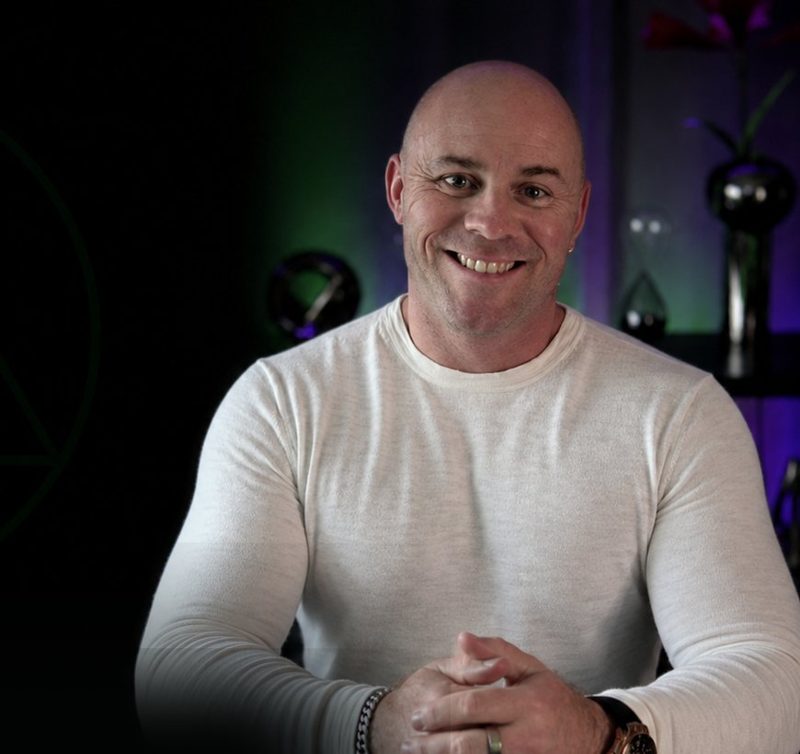
When I work with someone who hoards, over Zoom, I use hypnotherapy and NLP alongside, not instead of, the CBT approach that has the best evidence. I never push anyone to get rid of anything; we go at your pace and you stay in charge of your belongings. In hypnosis we work on calming the anxiety that rises when you think about letting something go, and on rehearsing small, manageable decisions so they feel less overwhelming. Many clients find it easier to make a start once that panic has eased a little.
Common questions
What is the difference between collecting and hoarding?
Collecting is usually selective and organised, with items displayed or stored so they are easy to find and enjoy. Hoarding tends to be less selective, with things kept in a way that makes them hard to use and makes the home harder to live in.
How can I help a family member who hoards?
Be patient, use kind language and avoid calling their things junk or rubbish. Focus first on safety, such as clear exits and working smoke alarms, let them stay in control of decisions, and keep gently raising the idea of seeing a GP over time.
Should I just clear the house for them?
Usually not. Surprise or forced clear-outs tend to cause great distress, damage trust and rarely last, as the clutter often returns. Lasting change is more likely when the person is involved and supported to make their own decisions.
Can the fire service help with hoarding?
Yes. Fire and rescue services across the UK offer free home fire safety visits, where they can check smoke alarms and give advice on making a cluttered home safer. You can request one for yourself or for someone you care about through your local service’s website.
Further reading: NHS: Hoarding disorder · Mind: About hoarding · Mind: Helping someone who hoards · OCD-UK: Hoarding disorder · HoardingUK: Our story · Essex County Fire and Rescue Service: Hoarding
Ready to start?
Book a 30-minute consultation call over Zoom and we can talk it through, with no obligation to book anything afterwards. Use the code PHOBIA when you pay and the call is half price: £24.50 instead of £49.