
Social anxiety (social phobia)
En español: lee sobre este miedo en Fobias.org.
Social anxiety can show up at work meetings, parties, shops, phone calls and any time you feel others might judge you. It can shrink your life without anyone noticing, and it can be helped.
Many people find that with the right help, meetings, parties and phone calls feel easier, and they can be themselves around others.
Use code PHOBIA at checkout for half price: £24.50 instead of £49. Outside the UK? $29.50.
Understanding this fear
Social anxiety, also called social phobia, is a long-lasting and overwhelming fear of social situations. It goes beyond shyness, which is a personality trait most people can live with quite happily. With social anxiety you may worry for days before an event, feel intensely self-conscious during it, and replay every word afterwards. It is one of the more far-reaching phobias, because it can touch work, friendships, shopping and even phone calls.
It is common and often starts in the teenage years, though children can be affected too. Some people find it eases as they get older, but for many it does not without the right help. It often comes alongside other problems, such as low mood, general anxiety or panic attacks. A fear of being stared at, of blushing, or of eating in front of others can all be part of the picture.
Common triggers
- Meeting new people
- Speaking up in a meeting or class
- Making or answering phone calls
- Eating or drinking in front of others
- Being watched while you work
- Parties and group conversations
- Small talk with shop staff
- Being the centre of attention, such as on your birthday
- Getting feedback or criticism
Where it shows up
- Work meetings and presentations
- Parties, weddings and work dos
- Shops and queues
- Restaurants and cafes
- School, college and university
- Job interviews
- Gyms and changing rooms
- Phone and video calls
Symptoms
In your body
- Blushing and a hot face
- Sweating
- Trembling hands or a shaky voice
- Racing heart
- Churning stomach or feeling sick
- Dry mouth
- Panic attacks in some situations
In your mind
- Everyone can see how nervous I am
- I am going to say something stupid
- They are judging me or laughing at me
- Going over conversations for hours afterwards
- Dreading events for days or weeks ahead
- Feeling not good enough compared with others
What you might do
- Avoiding eye contact
- Turning down invites or cancelling at the last minute
- Rehearsing what to say in your head
- Staying at the edge of the room or near the door
- Letting calls go to voicemail
- Relying on a drink to get through social events
What causes it
Social anxiety usually grows from a mix of things rather than one cause. Being teased, bullied or embarrassed at a young age can leave a lasting sense that people are watching and judging. Growing up with anxious or very critical adults can teach a child to stay on guard, and anxiety problems can also run in families. Once it takes hold, the fear is kept going by habits that feel protective, such as avoiding eye contact, staying quiet, rehearsing lines or leaving early. These safety behaviours bring short-term relief but stop you finding out that most people are far less focused on you than it feels. Replaying events afterwards then hunts out every small slip and feeds the next round of dread.
How it can affect your life
Social anxiety can shrink life quietly. At work it can hold people back, from speaking up in meetings to going for interviews or promotions. It can make dating and friendships feel exhausting and lead to loneliness, even when someone longs for company. Everyday tasks like phone calls, shopping or seeing a doctor can feel like hurdles. Over time it can wear down confidence and mood, which is why getting help is worth it.
Things that can help day to day
- Keep a short diary of what you feared and what actually happened
- Try slow breathing before and during social situations
- Break a hard situation into smaller steps and start with the easiest
- Turn your attention to what the other person is saying, not how you look
- Drop one safety habit at a time, such as holding eye contact a little longer
If social situations have knocked your confidence more widely, my page on confidence hypnotherapy looks at how to rebuild it.
When to get help
It is worth getting help if social anxiety is affecting your work, studies, relationships or everyday tasks. Your GP is a good first port of call and can talk through options, and in England you can refer yourself to NHS talking therapies. If you are a parent and your child gets very upset in social situations, avoids school activities or relies heavily on you, speak to your GP. If your mood is very low, please talk to your GP, or call Samaritans on 116 123 if you need to talk now.
How I can help
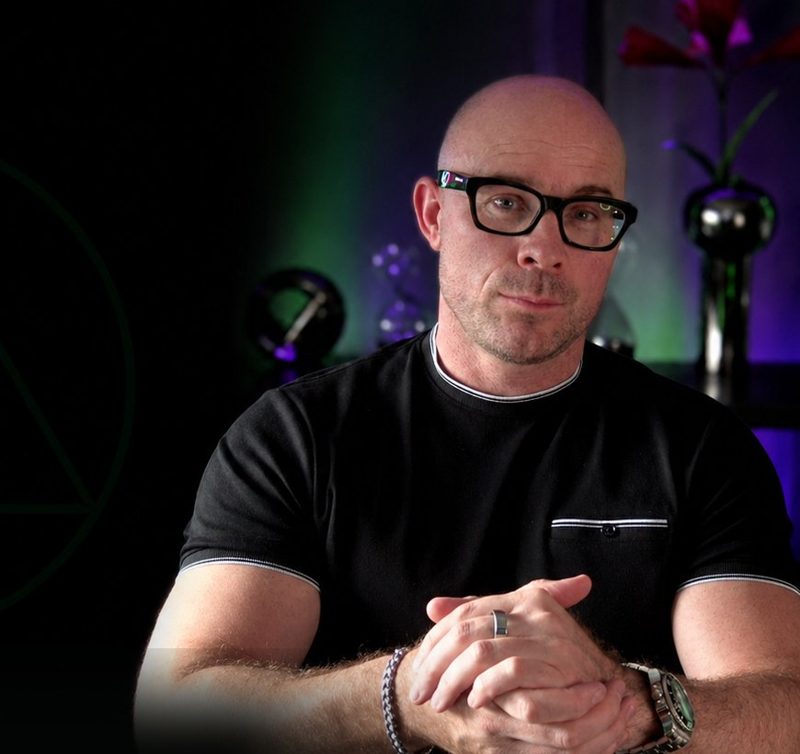
If you’ve tried to talk yourself out of this fear and it hasn’t worked, that isn’t a lack of willpower. A phobia is an alarm your mind learned, and logic alone rarely switches it off.
When I work with social anxiety, I look at where the fear of judgement first came from and what your mind expects to happen when others look at you. Over Zoom, I use hypnotherapy and NLP to help you rehearse meetings, calls and conversations in your mind while feeling calm, so your nervous system gets used to a steadier response. We also work on the habit of replaying conversations afterwards, which so often keeps the fear going. Many clients find they start saying yes to things they had been avoiding, and that their attention moves outward to the people they are with.
I’ve spent 17 years in clinical practice and helped more than 1,000 people with phobias. I hold a Postgraduate Certificate and a Postgraduate Diploma in Clinical Hypnotherapy, both with Distinction.
Common questions
What is the difference between shyness and social anxiety?
Shyness is a personality trait that many people live with comfortably. Social anxiety is a strong, lasting fear of being judged that can lead you to avoid work, friends or events and gets in the way of daily life.
Can social anxiety go away on its own?
Some people find it eases as they get older, but for many it does not without support. It does respond to help, and the sooner you get it, the less it tends to shrink your life.
Why do I replay conversations after social events?
Going back over what you said is a very common part of social anxiety. The mind is hunting for mistakes to protect you, but it tends to find faults others never noticed and makes the next event feel harder.
Is social anxiety just shyness?
Shyness is a personality trait and is often easy to live with. Social anxiety is a strong fear of being judged that can lead you to avoid work, friends or events. It is common, and it can be eased.
How can you help?
I use hypnotherapy and NLP to change how your mind responds to the thing you fear, so the old alarm stops going off. Sessions are one to one over Zoom, and you get a recording of the hypnosis to listen to afterwards.
How many sessions will I need?
Many clients notice a real difference after one 90 minute session. If the fear goes back a long way, three sessions gives us room to make the change stick.
Further reading: NHS: Social anxiety (social phobia) · Mind: About phobias · NHS: Phobias
Ready to start?
A short call is the simplest next step. We’ll talk about your fear, what you’d like to feel instead, and whether I’m the right person to help.
- Take the free test at the top of this page to see how strong your fear is.
- Book a 30 minute call. Use code PHOBIA at checkout for half price: £24.50 instead of £49 ($29.50 outside the UK).
- Start your sessions over Zoom from wherever you live, or face to face in Hertfordshire.
See all session options and prices