
Fear of rejection and abandonment
A fear of rejection and abandonment can make a slow reply to a message feel like the end of a friendship, keep you saying yes to things you do not want, or make it hard to trust that the people you love will stay.
Many people find that with the right help, a slow reply stops feeling like the end of the world, and relationships feel safer.
Use code PHOBIA at checkout for half price: £24.50 instead of £49. Outside the UK? $29.50.
Understanding this fear
Almost everyone feels hurt by rejection. With a fear of rejection and abandonment, the worry about it starts to run the show. You may scan for signs that someone is pulling away, read a short reply as anger, or feel sure that people will leave once they really know you. Some people react by holding on tighter and needing reassurance. Others keep people at a distance, so they can never be left.
It is not a formal diagnosis on its own, and you may see it called rejection sensitivity or abandonment anxiety. It is closely linked to how we learned to feel safe with other people as children, and it often sits alongside low self-worth, social anxiety, a fear of being alone and a fear of love. Very strong, long-lasting fears of abandonment can sometimes be part of other conditions, such as borderline personality disorder, so if it feels that intense, a GP or mental health professional is a good person to talk to.
Common triggers
- A text or call that goes unanswered
- Plans being cancelled at short notice
- A partner wanting time alone or with friends
- Not being invited, or being left out of a conversation
- Criticism or feedback, even when it is kind
- Asking for help, a date or a pay rise
- A friend making new friends
- Endings, such as a break up, a move or a child leaving home
Where it shows up
- Dating and romantic relationships
- Friendships and group chats
- Family relationships
- Work, especially reviews and feedback
- Social media likes and replies
- Job hunting and applications
Symptoms
In your body
- A knot in your stomach when someone goes quiet
- Racing heart
- Tight chest
- Feeling restless and unable to settle
- Trouble sleeping after an argument
In your mind
- They are going to leave me
- I am not good enough
- I must have done something wrong
- Replaying conversations again and again
- Jealousy or suspicion
- Feeling empty or panicky when you are alone
What you might do
- Checking your phone over and over
- Asking for reassurance many times
- Saying yes to keep the peace
- Avoiding dating, new friends or applying for things
- Ending relationships first, before you can be left
- Staying in relationships that are not good for you
What causes it
It often begins early. Losing a parent, a divorce, a parent who was warm one day and distant the next, or growing up feeling you had to earn love can all teach the mind that people may leave. Bullying, being left out at school, a painful break up or being cheated on can add to it later. Once the fear is there, it can bring about the very thing it fears: checking and needing reassurance, or keeping people at arm’s length, can strain relationships, which then seems to prove the fear right.
How it can affect your life
This fear can touch almost every relationship. Some people stay with partners who treat them badly because being alone feels worse. Others never let anyone get close. At work it can mean avoiding promotions, taking criticism very hard or never saying no. Over time it can wear down confidence and leave people feeling anxious, low or exhausted.
Things that can help day to day
- Notice the story you tell yourself when someone is slow to reply, and think of two other explanations
- Wait ten minutes before sending a message asking for reassurance, and notice how the feeling changes
- Practise small, safe ways of saying no or asking for what you want
- Keep a note of times people stayed, came back or showed they cared
- Spend time on friendships and interests of your own, so one relationship is not carrying everything
When to get help
It is worth getting help if the fear is affecting your relationships, your work or your sleep, or if you are staying in a relationship that is not good for you. If you are feeling low, your GP is a good first step and can talk through support. If you are struggling and need someone to talk to at any hour, Samaritans are free on 116 123.
How I can help
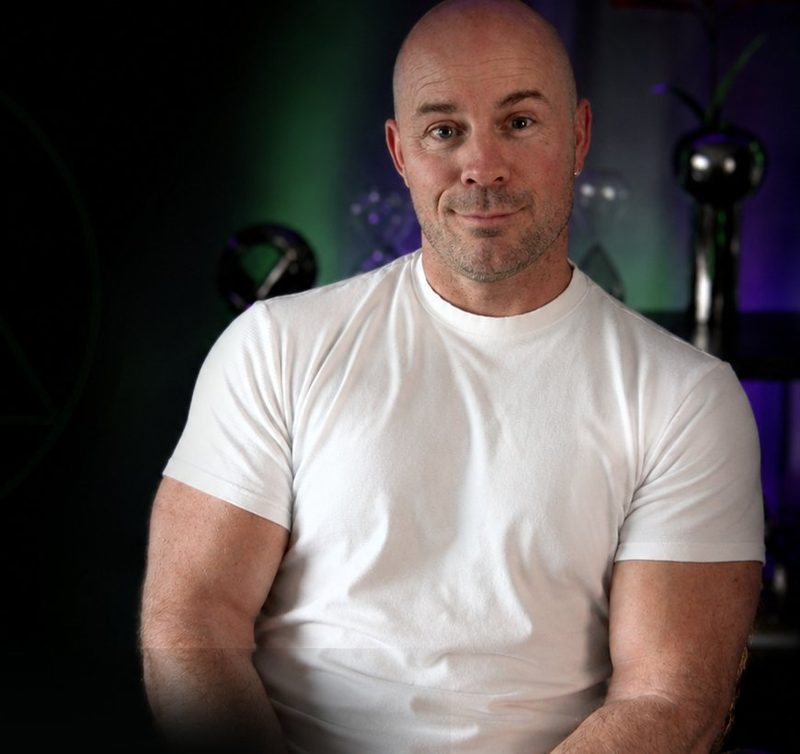
If you’ve tried to talk yourself out of this fear and it hasn’t worked, that isn’t a lack of willpower. A phobia is an alarm your mind learned, and logic alone rarely switches it off.
When I work with a fear of rejection and abandonment, I first look at where it began, whether that is a parent who left, a painful break up or years of feeling you had to earn your place. Using hypnotherapy and NLP over Zoom, I help your mind let go of those old feelings, so a quiet phone or a cancelled plan stops setting off the alarm. We build a steadier sense of your own worth, so you can enjoy being close to people without bracing for the end. You get a recording of the hypnosis to listen to between sessions.
I’ve spent 17 years in clinical practice and helped more than 1,000 people with phobias. I hold a Postgraduate Certificate and a Postgraduate Diploma in Clinical Hypnotherapy, both with Distinction.
If you’re feeling lonely or low, talking to your GP or someone you trust can help too.
Common questions
Is fear of rejection the same as social anxiety?
They overlap. Social anxiety is mostly about being judged or embarrassed in front of others. A fear of rejection and abandonment is more about the people who matter to you turning away or leaving. Many people have some of both.
What is rejection sensitivity?
It is a term for reacting very strongly to rejection, or to things that might mean rejection, such as a short reply or a change in someone’s tone. It is often talked about alongside ADHD, though anyone can experience it.
Can it come from childhood?
Often, yes. Early loss, care that came and went, or feeling you had to earn love can teach the mind to expect people to leave. Later experiences, such as a painful break up, can make it stronger.
How do sessions work?
I use hypnotherapy and NLP to change how your mind responds when you sense rejection. Sessions are one to one over Zoom, and you get a recording of the hypnosis to listen to afterwards.
How many sessions will I need?
Many clients notice a real difference after one 90 minute session. If the fear goes back a long way, three sessions gives us room to make the change stick.
Further reading: Healthline: Fear of abandonment · Psychology Today: Rejection sensitivity · NHS: Phobias
Ready to start?
A short call is the simplest next step. We’ll talk about your fear, what you’d like to feel instead, and whether I’m the right person to help.
- Take the free test at the top of this page to see how strong your fear is.
- Book a 30 minute call. Use code PHOBIA at checkout for half price: £24.50 instead of £49 ($29.50 outside the UK).
- Start your sessions over Zoom from wherever you live, or face to face in Hertfordshire.
See all session options and prices