
Fear of losing a loved one
The fear of losing a loved one can sit with you all day. A late text, a cough or a long journey and your mind jumps to the worst, picturing an accident, an illness or a phone call you dread.
Many people find that with the right help, they can enjoy time with the people they love, let them go about their lives and stop living in constant fear of loss.
Use code PHOBIA at checkout for half price: £24.50 instead of £49. Outside the UK? $29.50.
Understanding this fear
Everyone fears losing people they love at times. It is part of caring. It becomes a problem when the fear is constant, when you are always waiting for bad news, or when the checking and worrying start to strain your relationships and wear you out.
It is closely linked to a fear of death, a fear of rejection and abandonment, a fear of being alone, a fear of illness and generalised anxiety.
Common triggers
- A text or call that goes unanswered
- A partner, parent or child travelling
- A loved one feeling unwell or waiting for test results
- News stories about accidents or illness
- Visiting someone in hospital
- Watching parents or grandparents get older
- Anniversaries of past losses
- Saying goodbye at the door or the airport
Where it shows up
- At home in the evenings
- Lying awake at night
- At work, waiting for news
- Hospitals and care homes
- Airports and stations
- Family gatherings
- On your phone, refreshing messages
Symptoms
In your body
- Sick feeling in the stomach
- Racing heart
- Tight chest
- Trouble sleeping
- Feeling on high alert
In your mind
- Something bad has happened
- I couldn’t cope without them
- I have to keep them safe
- Pictures of the worst outcome
- Rehearsing what you would do
What you might do
- Checking in many times a day
- Tracking phones or asking for updates
- Asking people not to travel
- Avoiding talk of illness or death
- Staying close instead of doing your own things
What causes it
This fear often starts after a loss or a near miss: a sudden death in the family, a serious illness, an accident or a frightening phone call. It can also grow from early experiences of being left or of an unstable home, where your mind learned that people you love can disappear. Anxious temperaments and stressful times make it more likely.
How it can affect your life
The fear of losing a loved one can put strain on relationships, as the people you love may feel smothered or worried about you. It can keep you up at night, stop you enjoying happy times and make it hard to plan, travel or let your children grow up and gain independence.
Things that can help day to day
- When the worst case appears in your mind, name it as a worry, not a fact
- Agree a simple, reasonable check-in plan with your loved ones and stick to it
- Breathe out slowly and bring your attention back to what is happening right now
- Spend time on what you value about the person, not only on the fear of losing them
- Notice and praise yourself for each small step you take
When to get help
It is worth getting help if this fear is with you most days, affects your sleep or is straining your relationships. If you are grieving a recent loss, bereavement support can help, and in the UK Cruse Bereavement Support is free. If you have thoughts that feel unwanted and urges to check that you cannot resist, or you feel low most of the time, talk to your GP.
How I can help
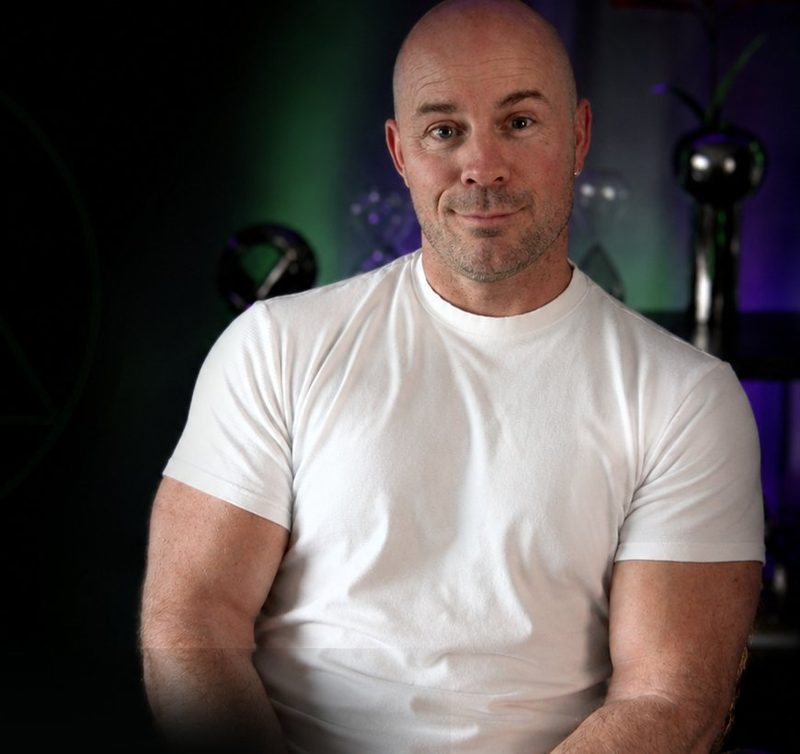
If you’ve tried to reassure yourself and the fear still comes back, that isn’t a weakness. It is your mind trying to protect the people you love, and logic alone rarely switches that alarm off.
When I work with a fear of losing a loved one, I first find out where the fear began, which is often a past loss or scare, and what part is strongest for you now. Using hypnotherapy and NLP over Zoom, I help your mind let go of the constant alarm so love can feel warm instead of frightening. We rehearse saying goodbye, waiting for a reply and enjoying time together with a calm mind. You get a recording of the hypnosis to listen to whenever you need it.
I’ve spent 17 years in clinical practice and helped more than 1,000 people with phobias. I hold a Postgraduate Certificate and a Postgraduate Diploma in Clinical Hypnotherapy, both with Distinction.
If you’re feeling low or on edge most of the time, talking to your GP or someone you trust can help too.
Common questions
Is the fear of losing a loved one a phobia?
It is not a diagnosis on its own, and some fear of loss is natural. When the fear is constant and shapes your life, it works in a similar way to other anxieties and phobias, and it can be helped.
Is this the same as grief?
No, although they can be linked. Grief is the pain of a loss that has happened. This fear is about losses that have not happened. If you are grieving, it is important to get support for that too.
Will working on this make me care less?
No. The aim is to turn down the fear, not the love. Most people find they feel closer to the people they care about once they are not always bracing for loss.
How do sessions work?
I use hypnotherapy and NLP to change how your mind responds to this fear. Sessions are one to one over Zoom, and you get a recording of the hypnosis to listen to afterwards.
How many sessions will I need?
Many clients notice a real difference after one 90 minute session. If the fear goes back a long way, three sessions gives us room to make the change stick.
Further reading: Cruse Bereavement Support, NHS: Generalised anxiety disorder
Ready to start?
A short call is the simplest next step. We’ll talk about your fear, what you’d like to feel instead, and whether I’m the right person to help.
- Take the free test at the top of this page to see how strong your fear is.
- Book a 30 minute call. Use code PHOBIA at checkout for half price: £24.50 instead of £49 ($29.50 outside the UK).
- Start your sessions over Zoom from wherever you live, or face to face in Hertfordshire.
See all session options and prices