
Fear of human-like figures (automatonophobia)
En español: lee sobre este miedo en Fobias.org.
A fear of human-like figures can show up with shop mannequins, ventriloquist dummies, wax models, animatronics and sometimes robots. It is an unusual fear, but it feels very real, and it can be helped.
Many people find that with the right help, a mannequin, a dummy or a robot becomes just another object in the room.
Use code PHOBIA at checkout for half price: £24.50 instead of £49. Outside the UK? $29.50.
Understanding this fear
Automatonophobia is a strong fear of things made to look like people, such as mannequins, ventriloquist dummies, wax figures, statues, animatronics and some robots. Lots of people find these figures a bit creepy. With this phobia the feeling turns into real fear or panic, and even a photo or the thought of one can set it off. You may know perfectly well the figure cannot move or hurt you, yet the alarm still goes off.
Part of the explanation may be what is called the uncanny valley, the odd, unsettling feeling we get when something looks almost human but not quite. Faces that are too still, eyes that do not follow you properly or skin that looks slightly wrong can all jar. There are no reliable figures on how many people have this fear. It sometimes links with a fear of dolls, clowns or masks, and occasionally with deeper worries about death.
If statues and sculptures are what bother you most, read the page on the fear of statues.
Common triggers
- Faceless or headless shop mannequins
- Ventriloquist dummies and puppets
- Wax figures that look very lifelike
- Animatronic figures that move or speak
- Humanoid robots and lifelike AI faces
- Glass eyes that seem to follow you
- Figures in dim light or seen out of the corner of your eye
- Horror films featuring dummies or dolls
Where it shows up
- Clothes shops and shop windows
- Wax museums and history exhibitions
- Theme parks and ghost trains
- Department store displays at Christmas
- First aid and medical training rooms
- Science centres and tech shows
- Halloween events and haunted attractions
Symptoms
In your body
- Jolt of fear and a racing heart
- Hairs standing up on your arms or neck
- Cold sweat or shivering
- Feeling sick or a knot in the stomach
- Shaky breathing or tight chest
- Dizziness or wanting to bolt
In your mind
- It is about to move or turn its head
- Something is watching me
- A deep sense that something is wrong or unnatural
- Feeling silly for being scared yet unable to stop
- Intrusive images of the figure later at night
What you might do
- Avoiding clothes shops or shopping online instead
- Looking away or walking quickly past displays
- Asking others to check what is in a room first
- Turning off films or adverts that show dummies
- Refusing invitations to museums or theme parks
What causes it
Some people can point to a moment that started it, like a frightening scene in a horror film, a prank or seeing a dummy in a dark room as a child. Others pick it up from a parent or sibling who was scared, or from stories they heard. The brain is very good at reading faces and spotting when something is off, so a near human face that does not behave like a real one can trigger an old sense of threat. Genes and a generally anxious temperament may also play a part. Avoiding the figures brings relief, which teaches the mind to keep treating them as dangerous.
How it can affect your life
Because mannequins are everywhere on the high street, this fear can make clothes shopping stressful or impossible. It can stop you joining family trips to museums, theme parks or Christmas displays, and children with the fear may get upset in shops. People often feel embarrassed and hide it, which can make them feel alone with it. As robots and lifelike screens become more common, some find the triggers are growing.
Things that can help day to day
- Tell a trusted friend so they can warn you about displays ahead
- Practise slow breathing when you feel the first jolt
- Start with cartoon style pictures, then gradually more realistic ones, at your own pace
- Remind yourself what the figure is made of and how it was built
- Choose shops you know first, and build up to new ones
When to get help
If the fear is stopping you shopping, going out with family or enjoying everyday places, it is worth getting help. If it comes with nightmares, panic attacks or anxiety that spills into the rest of your life, speak to your GP, who can talk through options including talking therapy.
How I can help
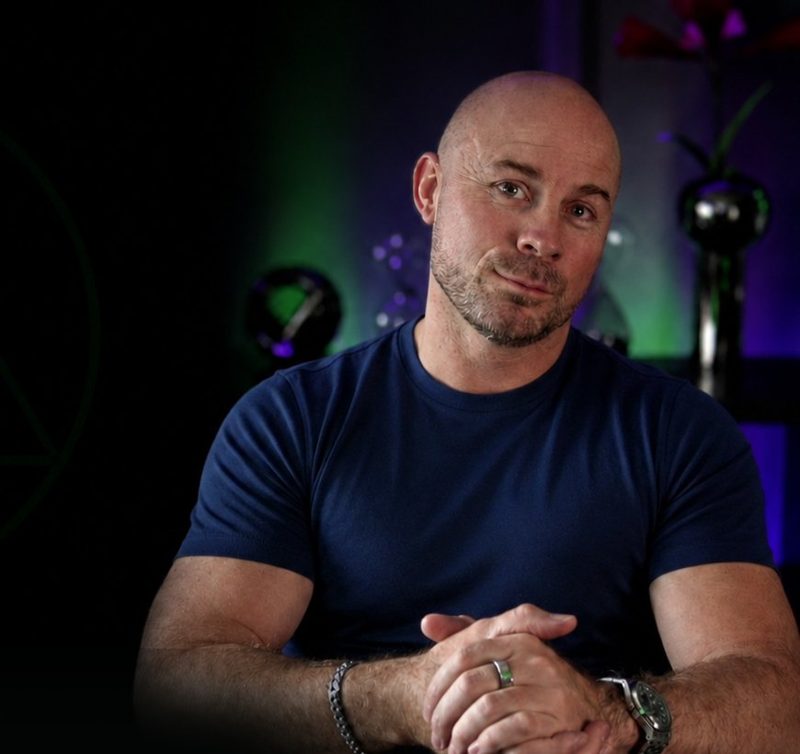
If you’ve tried to talk yourself out of this fear and it hasn’t worked, that isn’t a lack of willpower. A phobia is an alarm your mind learned, and logic alone rarely switches it off.
When I work with a fear of human like figures over Zoom, I first want to know what exactly sets it off, whether it is the eyes, the stillness or the idea that it might move. Often there is an early memory or a film scene the mind has filed as a threat, and with hypnotherapy and NLP we can change how that memory feels. I then help you picture a shop window or a museum room while staying calm, practising until it feels ordinary. Many clients find that the creepy jolt shrinks to something they barely notice.
I’ve spent 17 years in clinical practice and helped more than 1,000 people with phobias. I hold a Postgraduate Certificate and a Postgraduate Diploma in Clinical Hypnotherapy, both with Distinction.
Common questions
What is the uncanny valley?
It is the name for the uneasy feeling people get from things that look almost but not quite human. A cartoon robot seems friendly, but a near realistic face with odd eyes or stiff movement can feel deeply unsettling. For some people that unease grows into a phobia.
Is automatonophobia the same as a fear of dolls?
They are closely related, and many people have both. A fear of dolls is often called pediophobia, while automatonophobia covers a wider range of human like figures such as mannequins, statues and robots.
Why do mannequins scare me even though I know they are not alive?
Phobias do not follow logic. Your thinking brain knows it is plastic, but the older alarm system reacts to the near human face before reason can catch up. That is why working with the automatic response helps.
Why do human-like figures feel so creepy?
They look almost human but not quite, and that mismatch can feel deeply unsettling. For some people it tips into real fear. We would look at when it started and what sets it off.
How can you help?
I use hypnotherapy and NLP to change how your mind responds to the thing you fear, so the old alarm stops going off. Sessions are one to one over Zoom, and you get a recording of the hypnosis to listen to afterwards.
How many sessions will I need?
Many clients notice a real difference after one 90 minute session. If the fear goes back a long way, three sessions gives us room to make the change stick.
Further reading: Healthline: Automatonophobia · NeuroLaunch: Phobia of mannequins · Mind: About phobias
Ready to start?
A short call is the simplest next step. We’ll talk about your fear, what you’d like to feel instead, and whether I’m the right person to help.
- Take the free test at the top of this page to see how strong your fear is.
- Book a 30 minute call. Use code PHOBIA at checkout for half price: £24.50 instead of £49 ($29.50 outside the UK).
- Start your sessions over Zoom from wherever you live, or face to face in Hertfordshire.
See all session options and prices