
Fear of statues
A fear of statues can make a museum, a church or a walk through a park feel tense. A stone figure with blank eyes, a lifelike sculpture or a waxwork that seems about to move can leave you feeling watched, uneasy or ready to leave.
Many people find that with the right help, they can enjoy galleries, days out and old buildings without that creeping sense of dread.
Use code PHOBIA at checkout for half price: £24.50 instead of £49. Outside the UK? $29.50.
Understanding this fear
Statues are made of stone, metal or wax and cannot move or hurt you. With a fear of statues, the reaction is far bigger than the real risk. It is often the human shape without real life behind it that sets it off: the face looks almost real, yet the eyes are empty. Some phobia lists call it agalmatophobia. It sits within the wider fear of human like figures.
It is closely linked to fear of human like figures, fear of dolls, fear of masks, fear of clowns and fear of cemeteries.
Common triggers
- Statues with blank or staring eyes
- Very lifelike sculptures and waxworks
- Statues seen in the dark or half light
- Religious figures in churches
- Stone angels in graveyards
- Garden ornaments and figures
- Street performers who pose as statues
- Horror films where statues move
Where it shows up
- Museums and art galleries
- Churches and cathedrals
- Cemeteries
- Parks and formal gardens
- Waxwork attractions
- Town squares and memorials
- Films, games and television
Symptoms
In your body
- Racing heart
- Feeling watched
- Chills down your spine
- Tight chest
- Urge to turn away or leave
In your mind
- It’s going to move
- Its eyes are following me
- I can’t turn my back on it
- Pictures of it coming to life
- I need to get out of here
What you might do
- Avoiding museums and galleries
- Taking longer routes past statues
- Not looking at religious figures
- Turning off films with statues
- Leaving trips early
What causes it
A fear of statues often starts in childhood, after a scary film, a story about statues coming to life, or a fright in a dim church or graveyard. It can also be linked to a wider unease about things that look human but are not. Your mind is very good at reading faces, so when a face looks almost real but gives no signal back, it can sound an alarm.
How it can affect your life
A fear of statues can take the pleasure out of holidays, school trips and days out. Some people avoid cathedrals, gardens or city centres, and family events such as weddings or funerals in churches can feel hard. It can feel silly to admit, so people often quietly avoid these places.
Things that can help day to day
- Start by looking at a picture of a friendly statue for a few seconds, then build up
- Look at statues in daylight from a distance you are comfortable with
- Remind yourself what it is made of and how it was made
- Breathe out slowly and let your shoulders drop when you feel the fear rise
- Notice and praise yourself for each small step you take
When to get help
It is worth getting help if the fear stops you travelling, joining family events or enjoying days out. If it comes with wider anxiety, poor sleep or panic attacks, talk to your GP as well.
How I can help
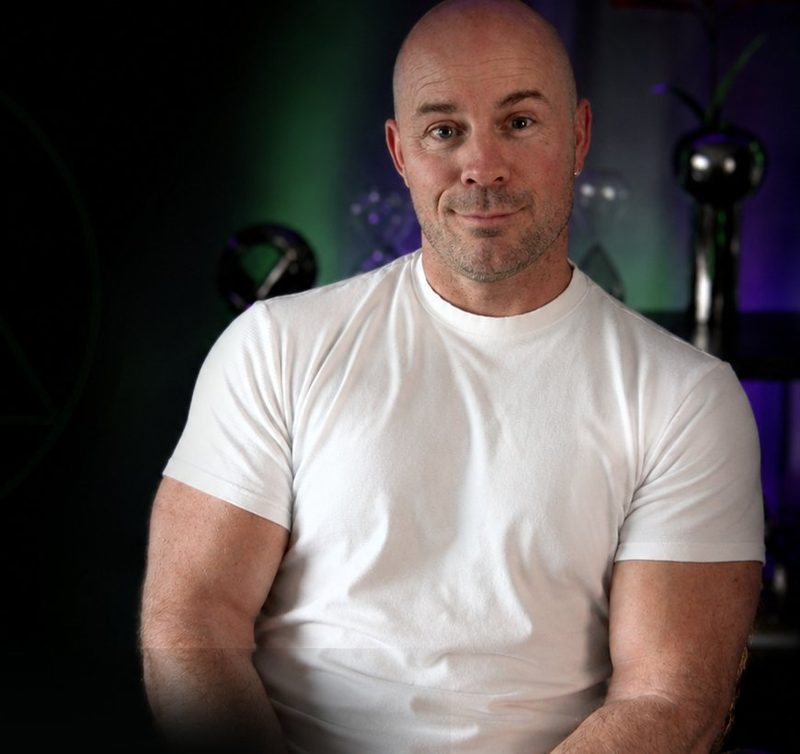
If you’ve tried to talk yourself out of this fear and it hasn’t worked, that isn’t a lack of willpower. A phobia is an alarm your mind learned, and logic alone rarely switches it off.
When I work with a fear of statues, I first find out where the fear began and what part is strongest for you, whether that is the eyes, the lifelike faces or the feeling of being watched. Using hypnotherapy and NLP over Zoom, I help your mind let go of the old alarm so a statue becomes just a piece of stone or metal again. We rehearse a calm walk through a gallery in your mind, in detail, until it feels ordinary. You get a recording of the hypnosis to listen to whenever you need it.
I’ve spent 17 years in clinical practice and helped more than 1,000 people with phobias. I hold a Postgraduate Certificate and a Postgraduate Diploma in Clinical Hypnotherapy, both with Distinction.
If you’re feeling low or on edge most of the time, talking to your GP or someone you trust can help too.
Common questions
Is a fear of statues a real phobia?
Yes. When the fear is far stronger than the real risk and shapes your life, it works in the same way as any phobia. It is part of the wider fear of human like figures.
Why do statues feel like they are watching me?
Your brain is wired to notice faces and eyes. A statue looks human but gives no real signal back, which some minds find unsettling, and fear can make that feeling much stronger.
Can it help with waxworks and living statues too?
Yes. The same work usually helps with all kinds of human like figures, from waxworks to street performers who stand still.
How do sessions work?
I use hypnotherapy and NLP to change how your mind responds to this fear. Sessions are one to one over Zoom, and you get a recording of the hypnosis to listen to afterwards.
How many sessions will I need?
Many clients notice a real difference after one 90 minute session. If the fear goes back a long way, three sessions gives us room to make the change stick.
Further reading: NHS: Phobias, NHS: Generalised anxiety disorder
Ready to start?
A short call is the simplest next step. We’ll talk about your fear, what you’d like to feel instead, and whether I’m the right person to help.
- Take the free test at the top of this page to see how strong your fear is.
- Book a 30 minute call. Use code PHOBIA at checkout for half price: £24.50 instead of £49 ($29.50 outside the UK).
- Start your sessions over Zoom from wherever you live, or face to face in Hertfordshire.
See all session options and prices