
Fear of loud noises (ligyrophobia)
En español: lee sobre este miedo en Fobias.org.
Fireworks, balloons popping, alarms going off. With a fear of loud noises, the worry about a bang can be worse than the bang itself.
Many people find that with the right help, they can enjoy a fireworks night or a party without bracing for every bang.
Use code PHOBIA at checkout for half price: £24.50 instead of £49. Outside the UK? $29.50.
Understanding this fear
Ligyrophobia is a fear of loud noises, such as fireworks, balloons popping, alarms or sudden bangs. Most people jump at a loud bang, but with this phobia the fear is out of proportion and often starts long before any noise happens. The worry about a bang can be worse than the bang itself, so people spend a lot of energy watching and waiting for it. It is closely linked to phonophobia, the term the NHS uses when sounds cause anxiety.
Children are often more sensitive to loud noise, and for many this settles as they grow. For others it carries on into adulthood or appears after a frightening event, such as fireworks going off nearby. A fear of loud noises can overlap with hyperacusis, where everyday sounds seem much louder than they should, and with misophonia, where certain sounds trigger anger or disgust. Sound sensitivity can also go along with conditions such as tinnitus, migraines and autism, which is why a GP check can be worthwhile.
If it is quiet, everyday sounds such as chewing, breathing or tapping that set you off, rather than loud ones, read about misophonia.
Common triggers
- Fireworks, especially unexpected ones
- Balloons being blown up or popped
- Smoke and fire alarms, including tests
- Party poppers and crackers
- Car horns, motorbikes and sirens
- Thunder
- Powerful hand dryers
- Gunshots or explosions in films
- Someone dropping something heavy
Where it shows up
- Bonfire Night and New Year’s Eve celebrations
- Children’s parties with balloons
- Concerts, gigs and cinemas
- Sports stadiums
- Public toilets
- Busy roads and building sites
- Weddings and festivals
Symptoms
In your body
- A strong startle, jumping or flinching
- Heart pounding long after the noise has stopped
- Covering your ears without thinking
- Shaking or tense muscles
- Feeling sick or light-headed
- Sweating and fast breathing
In your mind
- Constantly bracing for the next bang
- It will make me panic in front of everyone
- Something terrible has happened
- Dread in the days before Bonfire Night or New Year
- Feeling jumpy and unable to relax
What you might do
- Staying in on nights with fireworks
- Leaving parties when balloons appear
- Wearing earplugs or headphones all the time
- Checking when fire alarm tests will happen
- Avoiding concerts, films and sports events
- Asking others to warn you before any noise
What causes it
A fear of loud noises often begins in childhood, when sudden sounds feel most overwhelming, and some children simply never grow out of it. It can also start after one frightening moment, such as a firework going off close by, a car crash or an explosion. Watching a parent react with fear to bangs can teach a child to do the same. For some people an underlying sensitivity to sound makes noise genuinely uncomfortable, which feeds the fear. NHS advice notes that blocking out sound all the time can make sensitivity worse, so constant avoidance can keep the problem growing.
How it can affect your life
This fear can stop people enjoying parties, festivals, weddings and nights out, and parents may find children’s birthday parties hard to face. Some people avoid concerts, sports and films, or dread whole times of year, such as early November and New Year. Being constantly on alert can affect sleep and concentration. It can also make work difficult in noisy places.
Things that can help day to day
- Use slow breathing to calm your body once a noise has passed
- Use ear protection in very noisy places, but avoid wearing it all the time
- Prepare for known events, such as checking when local fireworks displays start
- Gradually get used to everyday sounds at a level that feels manageable
- Play gentle background sound at home, such as music or white noise, to soften sudden noises
When to get help
If everyday sounds seem too loud, painful or uncomfortable, see your GP, as this can be a sign of hyperacusis or another hearing issue, and they may refer you to a hearing specialist. It is also worth getting help if the fear is stopping you going out, enjoying events or sleeping well. If a child is very distressed by noise, a parent can raise it with the GP or school.
How I can help
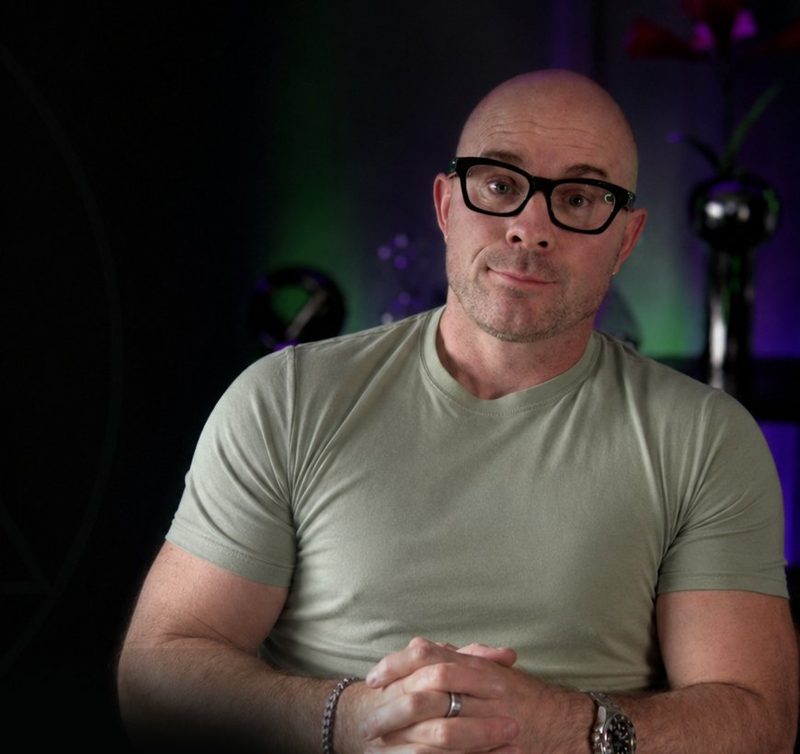
If you’ve tried to talk yourself out of this fear and it hasn’t worked, that isn’t a lack of willpower. A phobia is an alarm your mind learned, and logic alone rarely switches it off.
When I work with a fear of loud noises, I focus on the startle and alarm response, which has learned to stay switched on. We look at when the fear started and what the noise has come to mean, because it is often the waiting that does the most damage. Over Zoom, I use hypnotherapy and NLP to rehearse things like fireworks or a balloon popping in your mind, with your body calm and the sound feeling more manageable. Many clients find they can stop scanning for the next bang and start enjoying events again.
I’ve spent 17 years in clinical practice and helped more than 1,000 people with phobias. I hold a Postgraduate Certificate and a Postgraduate Diploma in Clinical Hypnotherapy, both with Distinction.
If you’re very sensitive to everyday sounds, it’s worth mentioning to your GP too, as this can have other causes.
Common questions
Is a fear of loud noises the same as hyperacusis?
Not exactly. Hyperacusis is when everyday sounds seem much louder than they should and can be painful, while a fear of loud noises is an anxiety response. They can overlap, so if sounds feel physically uncomfortable it is worth seeing a GP.
Should I wear earplugs all the time?
NHS advice is to avoid wearing earplugs or ear muffs all the time, as this can make sensitivity worse. Using them for short periods in very loud places is fine.
Will my child grow out of a fear of loud noises?
Many children become less sensitive to noise as they get older. If the fear is very strong, lasts a long time or started after something like glue ear, it is worth speaking to your GP.
Where does it come from?
We’re all born with a startle reaction to loud noises. For some people that natural reaction gets turned up and stays up.
How do sessions work?
I use hypnotherapy and NLP to change how your mind responds to loud noises. Sessions are one to one over Zoom, and you get a recording of the hypnosis to listen to afterwards.
How many sessions will I need?
Many clients notice a real difference after one 90 minute session. If the fear goes back a long way, three sessions gives us room to make the change stick.
Further reading: NHS: Hyperacusis · NHS: Phobias · Mind: About phobias
Ready to start?
A short call is the simplest next step. We’ll talk about your fear, what you’d like to feel instead, and whether I’m the right person to help.
- Take the free test at the top of this page to see how strong your fear is.
- Book a 30 minute call. Use code PHOBIA at checkout for half price: £24.50 instead of £49 ($29.50 outside the UK).
- Start your sessions over Zoom from wherever you live, or face to face in Hertfordshire.
See all session options and prices