
Misophonia
Misophonia is when certain everyday sounds, often chewing, slurping, sniffing or tapping, trigger a sudden surge of anger, disgust or panic. Other people barely notice the noise, but for you it can feel unbearable, and you may have to leave the room.
Many people find that with the right help, they can sit through family meals, share an office and travel on public transport feeling far calmer and more in control.
Use code PHOBIA at checkout for half price: £24.50 instead of £49. Outside the UK? $29.50.
Understanding misophonia
Misophonia means “hatred of sound”, but it is more than finding a noise irritating. Particular sounds, usually made by other people, set off an instant fight or flight reaction with anger, disgust or anxiety. It is not a phobia in the usual sense, because it is less about fear and more about a strong emotional reaction, but it often responds to similar approaches. It usually starts in childhood or the teenage years and is still being researched.
It can sit alongside a fear of loud noises, generalised anxiety and a strong reaction to certain foods, and some people also have tinnitus or sensitivity to sound in general.
Common triggers
- Someone chewing, crunching or eating crisps
- Slurping tea, coffee or soup
- Sniffing, coughing or clearing a throat
- Loud or heavy breathing nearby
- Pen clicking, tapping or drumming fingers
- Typing on a keyboard
- Lip smacking or gum chewing
- Footsteps, rustling packets or a ticking clock
Where it shows up
- Family meals and the dinner table
- Offices and open plan workspaces
- Classrooms and lecture halls
- Cinemas and theatres
- Trains, buses and planes
- Cafés and restaurants
- Video calls and podcasts
Symptoms
In your body
- Instant tension or clenching
- Racing heart
- Hot face or sweating
- Urge to escape
- Feeling sick
In your mind
- Make it stop
- Why are they doing that
- Rage that feels out of control
- Guilt about how you feel
- Dreading the next sound
What you might do
- Eating alone or in another room
- Wearing headphones or earplugs
- Turning up music or TV to mask sounds
- Snapping at people or leaving suddenly
- Avoiding meals out, travel or shared spaces
What causes it
Nobody knows exactly what causes misophonia. Research suggests the brain links certain sounds with a threat and reacts before you have time to think. Once a sound has been linked with that rush of anger or disgust, your mind starts listening out for it, which makes it stand out even more.
It often begins around the ages of 8 to 13 and tends to start with the sounds of close family members. It is more common in people who also have anxiety, OCD, tinnitus or who are autistic, though many people with misophonia have none of these.
How it can affect your life
Misophonia can put real strain on family life, relationships and work, because the trigger sounds are often made by the people closest to you. Many people feel guilty or ashamed of how they react, and hide away rather than explain. Over time it can make meals, travel and shared spaces exhausting.
Things that can help day to day
- Keep a gentle sound such as soft music or a fan running to take the edge off trigger sounds
- Agree simple, kind adjustments with family, such as background music at meals
- Breathe out slowly when a trigger starts and remind yourself you are safe
- Step away for a short break instead of staying until you snap
- Notice and praise yourself for each small step you take
When to get help
It is worth getting help if misophonia is affecting your relationships, work, school or mood. Your GP is a good first step, and may refer you to audiology, which can check your hearing and rule out other causes such as tinnitus or hyperacusis. Talking therapies such as CBT have the most research behind them so far. If you or your child feel low, very anxious or are pulling away from people, please talk to your GP.
How I can help
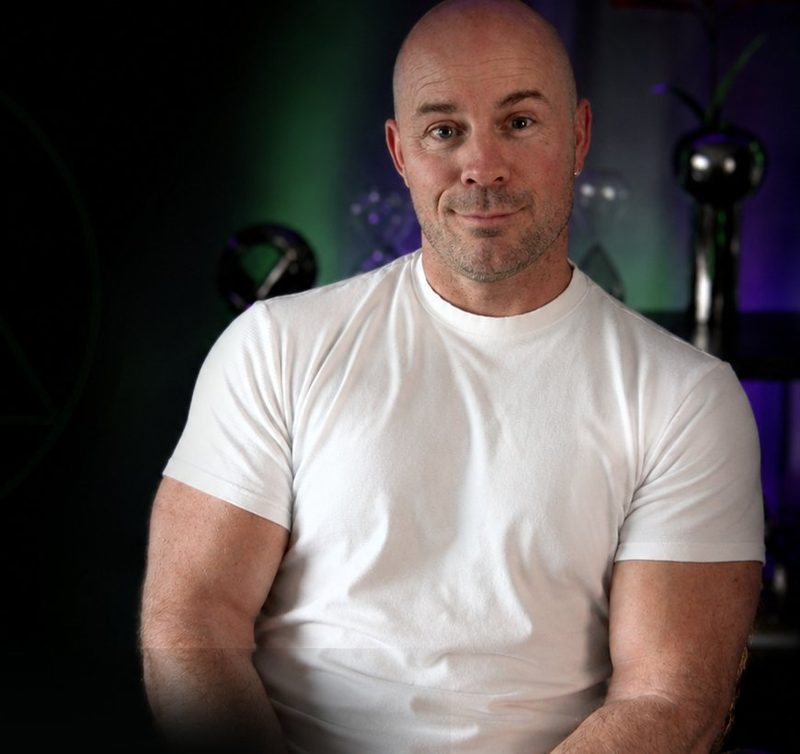
If you’ve tried to just ignore the sounds and it hasn’t worked, that isn’t a lack of willpower. Your mind has learned to react to these sounds before your thinking brain catches up, and logic alone rarely switches that off.
When I work with misophonia, I first find out which sounds affect you most, where the reaction began and what happens in your body when it starts. Using hypnotherapy and NLP over Zoom, I help your nervous system turn down the alarm so trigger sounds lose some of their grip, and I teach you ways to calm yourself quickly when they happen. We rehearse sitting through a meal or a meeting feeling steady, in detail. Research on hypnosis for misophonia is still limited, so I will always be honest about what we can expect and can work alongside any other support you have. You get a recording of the hypnosis to listen to whenever you need it.
I’ve spent 17 years in clinical practice and helped more than 1,000 people with phobias. I hold a Postgraduate Certificate and a Postgraduate Diploma in Clinical Hypnotherapy, both with Distinction.
If you’re feeling low or on edge most of the time, or misophonia is causing problems at home, talking to your GP or someone you trust can help too.
Common questions
Is misophonia a real condition?
Yes. It is recognised by researchers and clinicians, although it does not yet have one agreed medical definition. The reactions are real, they are not chosen, and they are not a sign that you are a difficult person.
Is misophonia a phobia?
Not exactly. A phobia is mostly about fear, while misophonia is mostly about anger, disgust or panic in response to specific sounds. The two can feel similar in the body, which is why some of the same approaches can help.
Can hypnosis cure misophonia?
I would not promise a cure, and research on hypnosis for misophonia is limited. What many people find is that calming the body’s reaction makes sounds easier to cope with. CBT has the most research so far, and the two can be used together.
How do sessions work?
I use hypnotherapy and NLP to help calm how your mind and body react to trigger sounds. Sessions are one to one over Zoom, and you get a recording of the hypnosis to listen to afterwards.
How many sessions will I need?
It varies. Some people notice a difference after one 90 minute session, but misophonia often goes back many years, so three sessions gives us room to build calmer reactions and practise them.
Further reading: NHS Lothian: Misophonia in young people, NHS: Tinnitus
Ready to start?
A short call is the simplest next step. We’ll talk about the sounds that affect you, what you’d like to feel instead, and whether I’m the right person to help.
- Take the free test at the top of this page to see how strongly sounds affect you.
- Book a 30 minute call. Use code PHOBIA at checkout for half price: £24.50 instead of £49 ($29.50 outside the UK).
- Start your sessions over Zoom from wherever you live, or face to face in Hertfordshire.
See all session options and prices