
Fear of people (anthropophobia)
En español: lee sobre este miedo en Fobias.org.
A fear of people can show up in shops, at work, on public transport or even when the phone rings. It can feel lonely, but it is something I help people with, and you do not have to put up with it.
Many people find that with the right help, shops, work and phone calls start to feel manageable, and their world opens up again.
Use code PHOBIA at checkout for half price: £24.50 instead of £49. Outside the UK? $29.50.
Understanding this fear
Anthropophobia is a strong fear of people, or of being around them. It goes further than feeling shy or a bit awkward in company. For some people the fear is mainly about being looked at or judged, while for others it can rise even in an anonymous crowd or with one familiar person. Most people with it know the reaction is bigger than the situation deserves, yet the body still reacts as if something is wrong.
It is not a separate diagnosis in the main psychiatric manuals, and doctors often look at it alongside social anxiety disorder, which centres on fear of judgement in social situations. Phobias like this tend to start in childhood, the teenage years or early adult life, and some estimates suggest around 1 in 10 adults will have a specific phobia at some point. It can grow out of being let down or hurt by people, or sit alongside wider anxiety, panic or low mood. Left alone, it often spreads from one setting, such as work, into shops, travel and family life.
If strangers and new people are what bother you most, read the page on the fear of strangers.
Common triggers
- Making eye contact
- Being watched while you eat, write or work
- The phone ringing or a knock at the door
- Small talk with neighbours or colleagues
- Standing in a queue with people close behind you
- Meeting someone new
- Being asked a question in a group
- Crowded spaces where you cannot see a way out
- Thinking about a social event days in advance
Where it shows up
- Supermarkets and checkouts
- Buses, trains and the Tube
- Open plan offices and meetings
- Waiting rooms at the GP or dentist
- Family gatherings and parties
- Lifts and narrow corridors
- Gyms and changing rooms
- Busy high streets
Symptoms
In your body
- Racing or pounding heart
- Blushing or hot, flushed skin
- Sweating, especially on the palms and face
- Shaking hands or a wobbly voice
- Short, tight breathing
- Feeling sick or a churning stomach
- Headaches or poor sleep before an event
In your mind
- Everyone is looking at me
- They can tell something is wrong with me
- I will say something stupid and they will laugh
- I cannot trust people
- Dread building for hours or days before seeing anyone
- Shame about how hard ordinary contact feels
What you might do
- Avoiding eye contact or looking at your phone
- Shopping late at night or only online
- Letting calls go to voicemail and texting instead
- Leaving events early or not going at all
- Rehearsing what to say again and again
- Relying on one trusted person to deal with others
What causes it
There is rarely a single cause. For many people it follows painful experiences with others, such as bullying, humiliation or being let down by someone close, so the mind learns that people are not safe. It can also be learned by growing up around an anxious parent, and a family history of anxiety seems to make it more likely. Doctors sometimes check for physical issues that can feed anxiety in general, such as thyroid problems. Whatever starts it, avoidance keeps it going, because each time you stay away you feel relief, and the mind takes that relief as proof that people really were the danger.
How it can affect your life
A fear of people can quietly shape a whole life. It can make job interviews, meetings and dealing with customers feel impossible, so careers stall or promotions are turned down. Friendships can fade when invitations keep being declined, and partners may end up doing all the talking, shopping and phone calls. Over time this can lead to isolation and low mood, and some people lean on alcohol to cope, which usually makes anxiety worse.
Things that can help day to day
- Practise slow breathing with a longer out breath before you go into a shop or meeting
- Set small, planned steps, such as saying thank you at the till or making one short phone call
- When you think everyone is staring, check what you can actually see around you
- Shift your attention out to the room and the conversation rather than how you look
- Cut back on caffeine and alcohol, which can both feed anxiety
When to get help
It is worth getting help if you are turning down work, missing appointments or spending most of your time alone because of this fear. If anxiety is affecting your daily life, or you are feeling low, your GP is a good first port of call and can check for anything physical too. In England you can also refer yourself to NHS talking therapies.
How I can help
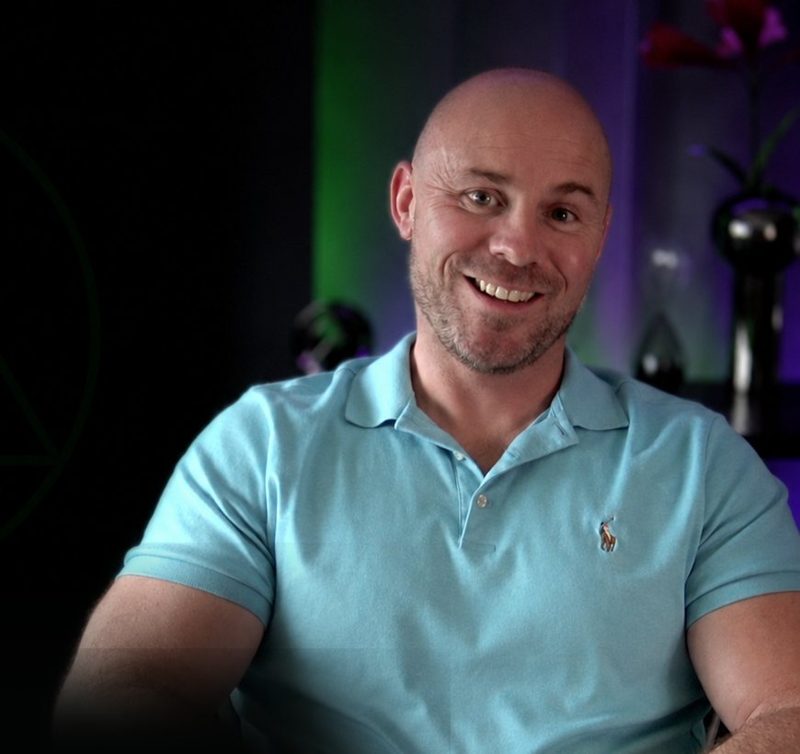
If you’ve tried to talk yourself out of this fear and it hasn’t worked, that isn’t a lack of willpower. A phobia is an alarm your mind learned, and logic alone rarely switches it off.
When I work with a fear of people, I start by finding out what the fear is really about, because for one person it is being judged and for another it is not trusting anyone after being hurt. Using hypnotherapy and NLP over Zoom, we calm the old memories that taught your mind people are dangerous, so they lose their emotional charge. Then we rehearse ordinary moments in your mind, like walking into a shop or answering the phone, while you feel steady and relaxed. Many clients find that the automatic alarm starts to quieten, and real situations feel more manageable as a result. You also get a recording to listen to between sessions so the new response keeps building.
I’ve spent 17 years in clinical practice and helped more than 1,000 people with phobias. I hold a Postgraduate Certificate and a Postgraduate Diploma in Clinical Hypnotherapy, both with Distinction.
Common questions
Is anthropophobia the same as being an introvert?
No. An introvert simply recharges best with time alone and can still enjoy company. Anthropophobia involves real fear and physical anxiety around people, often with avoidance that gets in the way of life.
Can a fear of people start in adulthood?
Yes. Many phobias begin earlier in life, but a fear of people can follow a bad experience at any age, such as bullying at work, a betrayal or a frightening incident. It can also grow slowly after a long period of isolation.
Why do I feel worse after avoiding people for a while?
Avoidance brings short term relief, but the mind reads that relief as proof that people were the threat. The longer you stay away, the bigger the next step feels, which is why small regular steps tend to help more than waiting to feel ready.
Is this the same as social phobia?
They are very close. Social phobia is usually a fear of being judged, while anthropophobia is the word some people use for a stronger fear of people in general. In practice we look at what you feel, not the label.
How can you help?
I use hypnotherapy and NLP to change how your mind responds to the thing you fear, so the old alarm stops going off. Sessions are one to one over Zoom, and you get a recording of the hypnosis to listen to afterwards.
How many sessions will I need?
Many clients notice a real difference after one 90 minute session. If the fear goes back a long way, three sessions gives us room to make the change stick.
Further reading: Cleveland Clinic: Anthropophobia · WebMD: What is anthropophobia · NHS: Phobias
Ready to start?
A short call is the simplest next step. We’ll talk about your fear, what you’d like to feel instead, and whether I’m the right person to help.
- Take the free test at the top of this page to see how strong your fear is.
- Book a 30 minute call. Use code PHOBIA at checkout for half price: £24.50 instead of £49 ($29.50 outside the UK).
- Start your sessions over Zoom from wherever you live, or face to face in Hertfordshire.
See all session options and prices