
Fear of strangers
A fear of strangers can make ordinary life feel exhausting. Answering the door, asking a shop assistant for help, sitting next to someone on the bus or walking past people in the street can make your heart race and leave you wanting to hide.
Many people find that with the right help, they can go about their day, talk to new people and feel at ease in public without that constant sense of threat.
Use code PHOBIA at checkout for half price: £24.50 instead of £49. Outside the UK? $29.50.
Understanding this fear
Being careful with strangers is normal and healthy, and teaching children about stranger safety is a good thing. This page is about something different: a fear that is far bigger than the situation, where everyday contact with people you do not know, such as a cashier, a neighbour or someone on the train, feels dangerous or overwhelming. It can come with worry about being judged, being hurt or simply not knowing what someone will do.
It is closely linked to fear of people, social anxiety, fear of eye contact, fear of answering the door and fear of intruders.
Common triggers
- A stranger starting a conversation
- Unexpected knocks at the door
- Walking along busy streets
- Sitting next to someone on public transport
- Asking staff for help in shops
- Meeting someone’s eyes
- New faces at work or school
- Being approached for directions
Where it shows up
- Shops and supermarkets
- Buses, trains and taxis
- Your own front door
- Waiting rooms
- Parties and family gatherings
- New jobs and classes
- Streets, parks and car parks
Symptoms
In your body
- Racing heart
- Tight chest
- Sweating
- Shaky voice
- Urge to get away
In your mind
- What do they want
- They might hurt me
- I’ll say something stupid
- I need to get out of here
- Running through what could go wrong
What you might do
- Not answering the door
- Ordering everything online
- Avoiding eye contact
- Wearing headphones to avoid talk
- Only going out with someone you trust
What causes it
A fear of strangers can start after a frightening experience with someone you did not know, or grow from being taught as a child that strangers were dangerous in a way that stuck too strongly. It can also come from social anxiety, a time of stress or being cut off from people for a long while. Your mind learns that unknown people mean danger, and keeps sounding the alarm even in safe, everyday moments.
How it can affect your life
A fear of strangers can make shopping, travel, work and appointments hard, and can slowly shrink your world to a few safe people and places. It can feel lonely, and many people hide how much effort it takes just to get through an ordinary day.
Things that can help day to day
- Start with a short, easy contact, such as saying thank you to a cashier
- Plan one simple sentence before you speak to someone
- Notice the people around you who are simply getting on with their day
- Breathe out slowly and let your shoulders drop when you feel the fear rise
- Notice and praise yourself for each small step you take
When to get help
It is worth getting help if the fear stops you working, shopping, travelling or seeing people. If you have been through something frightening, or the fear comes with low mood or panic attacks, talk to your GP as well. If you ever feel in danger, trust that feeling and get help.
How I can help
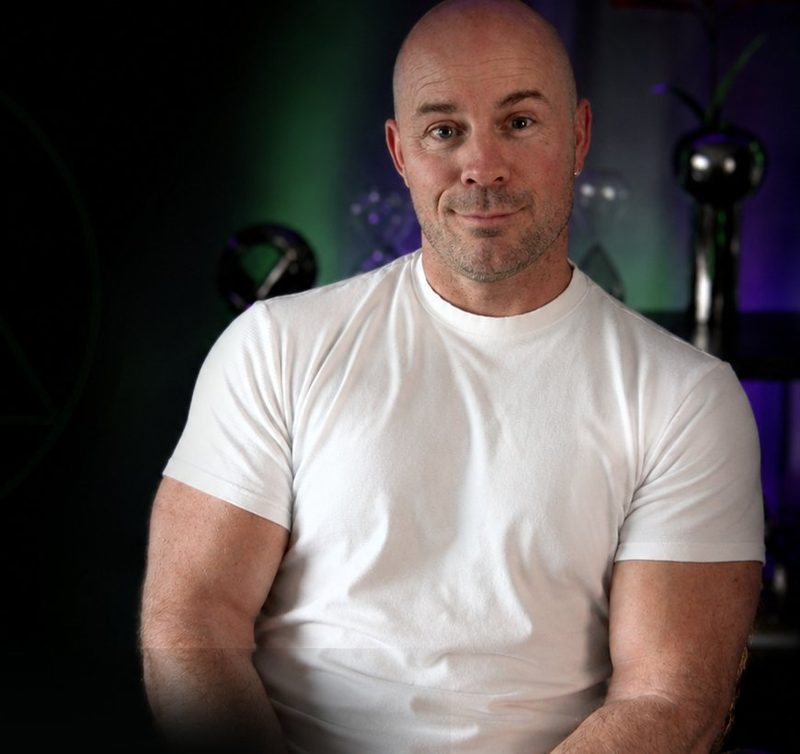
If you’ve tried to talk yourself out of this fear and it hasn’t worked, that isn’t a lack of willpower. A phobia is an alarm your mind learned, and logic alone rarely switches it off.
When I work with a fear of strangers, I first find out where the fear began and what part is strongest for you, whether that is being spoken to, being looked at or not knowing what someone will do. Using hypnotherapy and NLP over Zoom, I help your mind let go of the old alarm so everyday contact feels safe again, while keeping your common sense. We rehearse a calm trip to the shops in your mind, in detail, until it feels ordinary. You get a recording of the hypnosis to listen to whenever you need it.
I’ve spent 17 years in clinical practice and helped more than 1,000 people with phobias. I hold a Postgraduate Certificate and a Postgraduate Diploma in Clinical Hypnotherapy, both with Distinction.
If you’re feeling low or on edge most of the time, talking to your GP or someone you trust can help too.
Common questions
Is it normal to be wary of strangers?
Yes. Some care is sensible, and children’s stranger safety is healthy. It becomes a problem when the fear is far bigger than the situation and stops you living your life.
Is a fear of strangers the same as social anxiety?
They can overlap. Social anxiety is mostly about being judged or embarrassed. A fear of strangers can include that, but may also be about feeling unsafe around people you do not know.
Will I lose my sense of caution?
No. The aim is to calm the alarm that goes off in safe, everyday moments, so your natural good sense can work properly when it is needed.
How do sessions work?
I use hypnotherapy and NLP to change how your mind responds to this fear. Sessions are one to one over Zoom, and you get a recording of the hypnosis to listen to afterwards.
How many sessions will I need?
Many clients notice a real difference after one 90 minute session. If the fear goes back a long way, three sessions gives us room to make the change stick.
Further reading: NHS: Phobias, NHS: Social anxiety
Ready to start?
A short call is the simplest next step. We’ll talk about your fear, what you’d like to feel instead, and whether I’m the right person to help.
- Take the free test at the top of this page to see how strong your fear is.
- Book a 30 minute call. Use code PHOBIA at checkout for half price: £24.50 instead of £49 ($29.50 outside the UK).
- Start your sessions over Zoom from wherever you live, or face to face in Hertfordshire.
See all session options and prices