
Fear of eye contact
A fear of eye contact can make ordinary conversations feel exposing: you look at the floor, the wall or your phone, and worry that people will think you are rude, shifty or not interested.
Many people find that with the right help, they can hold a comfortable gaze, relax in conversations and feel present with the people they are talking to.
Use code PHOBIA at checkout for half price: £24.50 instead of £49. Outside the UK? $29.50.
Understanding this fear
Everyone looks away during a conversation now and then. With a fear of eye contact, meeting someone’s gaze feels intense, exposing or even threatening, and the urge to look away is very strong. People often describe feeling that others can see straight through them, or that they will be judged the moment someone looks closely.
It is often part of social anxiety, and it overlaps with a fear of being stared at, a fear of blushing and a fear of being judged. Some autistic people find eye contact uncomfortable or tiring for different reasons, and that is not a phobia or something that needs fixing. This page is for people for whom it feels like fear.
Common triggers
- Someone looking straight at you
- Being the centre of attention
- Talking to someone you find attractive
- Speaking to people in authority
- Video calls with your own face on screen
- Being asked a direct question
- Silences in conversation
- Feeling your face go red
Where it shows up
- Meetings and interviews
- Dates and close conversations
- Shops, cafes and bars
- Video calls
- Classrooms and training sessions
- Family gatherings and parties
Symptoms
In your body
- Feeling hot or blushing
- Racing heart
- Eyes watering or blinking more
- Tension in the face and jaw
- Feeling frozen or awkward
In your mind
- They can see I am nervous
- I look strange or shifty
- Not knowing where to look
- Losing track of what was said
What you might do
- Looking at the floor, the wall or your phone
- Wearing sunglasses or a cap
- Sitting side on rather than face to face
- Avoiding social plans
What causes it
This fear often builds in the teenage years, when people are most aware of how others see them. Being teased, criticised or put on the spot can leave a strong mark. Shyness, social anxiety and a habit of watching yourself closely in conversations all feed it. Looking away brings instant relief, which teaches the mind that eye contact really was too much, so the fear grows.
How it can affect your life
A fear of eye contact can be misread by others as rudeness, dishonesty or lack of interest, which is painful when you care a lot. It can hold people back in interviews and at work, make dating harder and leave friendships feeling less close. Many people end up tired from managing where to look all day.
Things that can help day to day
- Look at the area between someone’s eyes or at their eyebrows, which feels easier and looks natural
- Practise with short glances, a second or two at a time, then build up
- Focus on what the other person is saying, not on your own face
- Practise with people you feel safe with, or while watching a video interview
- Breathe out slowly before you speak, to calm the first rush of nerves
When to get help
It is worth getting help if this fear is affecting work, study, relationships or how often you go out. If it is part of wider social anxiety, or you are feeling low or isolated, your GP is a good first port of call. Talking therapies through the NHS can help with social anxiety too.
How I can help
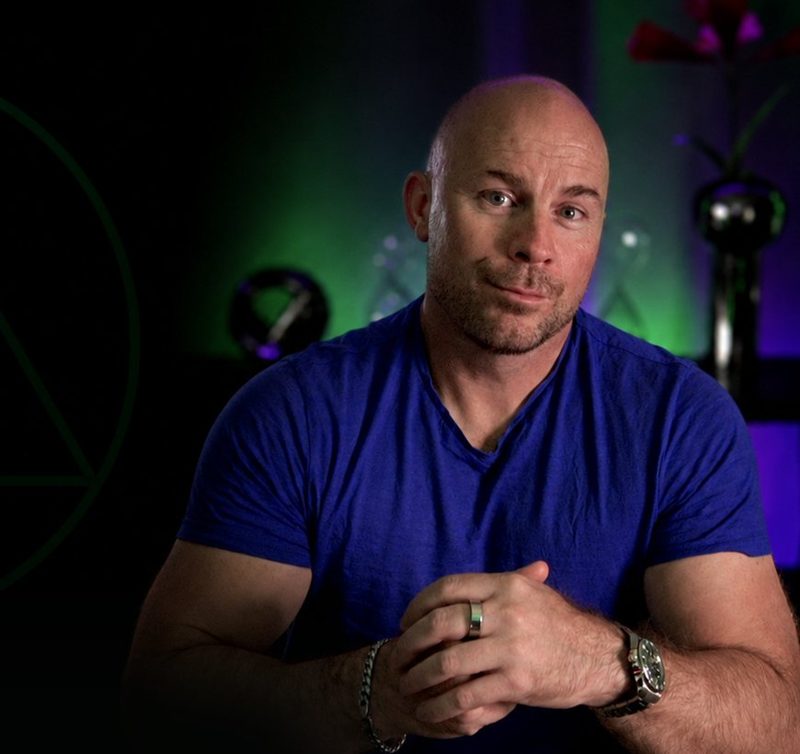
If you’ve tried to talk yourself out of this fear and it hasn’t worked, that isn’t a lack of willpower. A phobia is an alarm your mind learned, and logic alone rarely switches it off.
When I work with a fear of eye contact, I first look at what the fear is telling you, often a belief that people will see something wrong or judge you. Using hypnotherapy and NLP over Zoom, I help your mind let go of that old alarm, so meeting someone’s eyes starts to feel ordinary and even warm. We rehearse the conversations that matter to you, such as meetings, interviews or dates, until they feel easier. You get a recording of the hypnosis to listen to between sessions.
I’ve spent 17 years in clinical practice and helped more than 1,000 people with phobias. I hold a Postgraduate Certificate and a Postgraduate Diploma in Clinical Hypnotherapy, both with Distinction.
If you’re feeling low or on edge most of the time, talking to your GP or someone you trust can help too.
Common questions
Is a fear of eye contact a sign of social anxiety?
It often is, but not always. Some people only struggle with eye contact and feel fine in other social situations. Either way, it is common and it responds well to help.
How much eye contact is normal?
Nobody holds eye contact all the time. In a natural conversation people look and look away often. You do not need to stare, just to feel comfortable meeting someone’s eyes some of the time.
I am autistic and find eye contact hard. Is this page for me?
Many autistic people find eye contact uncomfortable or tiring, and that is a difference rather than a fear to fix. If you also feel anxiety or panic about it and would like help, I am happy to talk it through.
How do sessions work?
I use hypnotherapy and NLP to change how your mind responds to this fear. Sessions are one to one over Zoom, and you get a recording of the hypnosis to listen to afterwards.
How many sessions will I need?
Many clients notice a real difference after one 90 minute session. If the fear goes back a long way, three sessions gives us room to make the change stick.
Further reading: NICE: Social anxiety disorder · NHS: Phobias
Ready to start?
A short call is the simplest next step. We’ll talk about your fear, what you’d like to feel instead, and whether I’m the right person to help.
- Take the free test at the top of this page to see how strong your fear is.
- Book a 30 minute call. Use code PHOBIA at checkout for half price: £24.50 instead of £49 ($29.50 outside the UK).
- Start your sessions over Zoom from wherever you live, or face to face in Hertfordshire.
See all session options and prices