
Fear of being judged
A fear of being judged can make you replay every conversation, hold back your opinions and avoid trying new things in case people think less of you.
Many people find that with the right help, they can speak up, try new things and be themselves without the constant worry about what others think.
Use code PHOBIA at checkout for half price: £24.50 instead of £49. Outside the UK? $29.50.
Understanding this fear
Everyone cares a little about what other people think. With a fear of being judged, that worry is loud and constant. It can feel as though people are noticing every mistake, every flush of the cheeks and every word you say, and that they will think less of you for it.
It is at the heart of social anxiety, and it overlaps with a fear of being laughed at, a fear of failure, a fear of imperfection and a fear of public speaking. Some people only feel it in certain places, such as work or social media, while for others it touches most of daily life.
Common triggers
- New social situations
- Being the centre of attention
- Meetings, interviews and appraisals
- Social media posts and comments
- Eating, drinking or writing in front of others
- Being asked a question out of the blue
- Making a small mistake in public
- Silences in conversation
Where it shows up
- Work and meetings
- School, college and training
- Parties and family events
- Gyms and sports clubs
- Online and on social media
- Shops, restaurants and public transport
Symptoms
In your body
- Blushing or feeling hot
- Racing heart
- Shaking voice or hands
- Mind going blank
- Upset stomach
In your mind
- They think I am stupid or boring
- Everyone noticed that
- Replaying what you said afterwards
- Expecting criticism
What you might do
- Staying quiet or agreeing to keep the peace
- Over-preparing and rehearsing
- Avoiding new activities
- Checking your appearance often
What causes it
This fear often starts in childhood or the teenage years, through criticism, teasing, bullying or a strong focus on getting things right. Some people grow up in families or schools where mistakes were not allowed. Social media can feed it by making comparison constant. Holding back brings short-term relief, which teaches your mind that being seen really was risky.
How it can affect your life
A fear of being judged can keep people in jobs they have outgrown, stop them making friends, dating or trying hobbies, and make them hide their real opinions. It is tiring to watch yourself all day, and it can lead to low mood or loneliness over time.
Things that can help day to day
- Notice the judging thought, then ask what you would say to a friend who thought it
- Turn your attention outward, to the other person and what they are saying
- Take one small step each week, such as sharing one opinion or trying one new thing
- Cut back on comparing yourself on social media, especially when you feel low
- Remember that most people are busy thinking about themselves
When to get help
It is worth getting help if this fear is affecting work, study, friendships or relationships, or if you avoid many everyday situations. If you are feeling low or isolated, your GP is a good first port of call, and talking therapies for social anxiety are available through the NHS.
How I can help
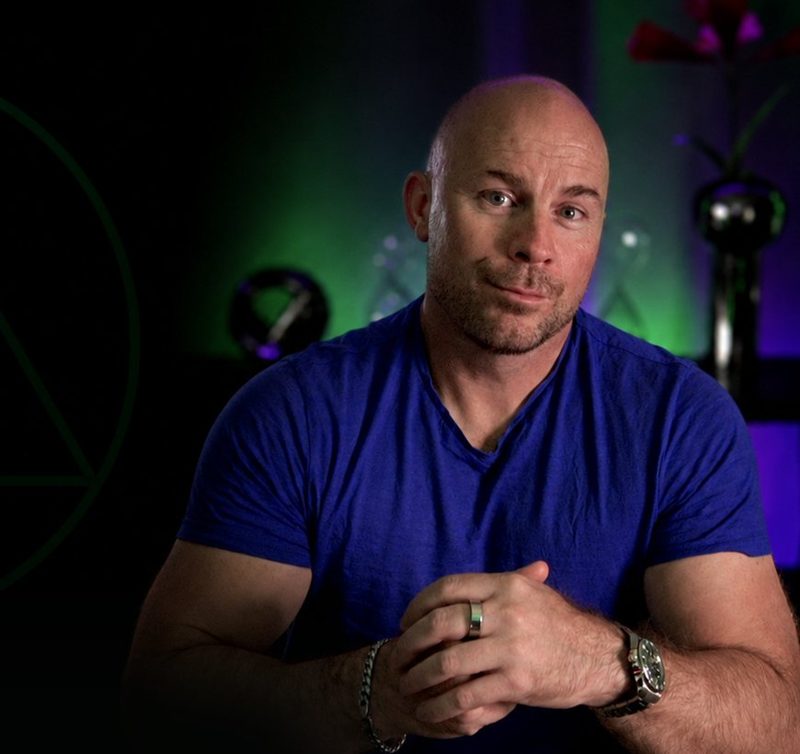
If you’ve tried to talk yourself out of this fear and it hasn’t worked, that isn’t a lack of willpower. A phobia is an alarm your mind learned, and logic alone rarely switches it off.
When I work with a fear of being judged, I first look at where it began, often a teacher, a parent, a group at school or a moment of embarrassment that stuck. Using hypnotherapy and NLP over Zoom, I help your mind put those old memories in the past, so other people’s opinions stop feeling like a threat. We rehearse the situations that matter to you, such as speaking up at work or walking into a party, until they feel easier. You get a recording of the hypnosis to listen to between sessions.
I’ve spent 17 years in clinical practice and helped more than 1,000 people with phobias. I hold a Postgraduate Certificate and a Postgraduate Diploma in Clinical Hypnotherapy, both with Distinction.
If you’re feeling low or on edge most of the time, talking to your GP or someone you trust can help too.
Common questions
Is a fear of being judged the same as social anxiety?
It is the core of social anxiety, but you can have the fear without meeting the full picture of social anxiety. Both respond well to help.
Why do I replay conversations afterwards?
Going over conversations looking for mistakes is a common part of this fear. It feels like it keeps you safe, but it keeps the worry going and makes the next situation harder.
Will I stop caring what people think?
The aim is not to stop caring altogether. It is to care in a healthy way, so other people’s opinions inform you rather than control you.
How do sessions work?
I use hypnotherapy and NLP to change how your mind responds to this fear. Sessions are one to one over Zoom, and you get a recording of the hypnosis to listen to afterwards.
How many sessions will I need?
Many clients notice a real difference after one 90 minute session. If the fear goes back a long way, three sessions gives us room to make the change stick.
Further reading: NICE: Social anxiety disorder · NHS: Phobias
Ready to start?
A short call is the simplest next step. We’ll talk about your fear, what you’d like to feel instead, and whether I’m the right person to help.
- Take the free test at the top of this page to see how strong your fear is.
- Book a 30 minute call. Use code PHOBIA at checkout for half price: £24.50 instead of £49 ($29.50 outside the UK).
- Start your sessions over Zoom from wherever you live, or face to face in Hertfordshire.
See all session options and prices