
Fear of intruders and being attacked
A fear of intruders and being attacked can make every creak at night sound like someone in the house, keep you checking locks again and again, or stop you walking anywhere on your own.
Many people find that with the right help, they can take sensible care, lock up once and feel safe at home and out and about.
Use code PHOBIA at checkout for half price: £24.50 instead of £49. Outside the UK? $29.50.
Understanding this fear
Feeling uneasy about crime is normal, and taking sensible care is wise. With a fear of intruders and being attacked, the alarm goes off far more often and far more strongly than the real risk. Some people fear someone breaking into their home or hiding inside it, behind a shower curtain, in a wardrobe or in the dark at the top of the stairs. Others fear being followed, mugged or attacked in the street, or violence from someone they know.
It is related to a fear of crime (scelerophobia), a fear of being robbed, a fear of the dark and a fear of being alone. If it started after you, or someone close to you, went through a real attack or break in, and you have flashbacks, nightmares or feel constantly on guard, it may be part of post-traumatic stress. That is very treatable and worth talking to your GP about.
Common triggers
- A creak, bang or footstep at night
- Coming home to a dark, empty house
- A closed shower curtain or a door left ajar
- Someone walking close behind you
- An unexpected knock at the door
- A news story, film or true crime podcast about an attack
- A burglary or attack in your area
- Staying somewhere new
Where it shows up
- Your home at night
- The bathroom, with the shower curtain closed
- Walking home after dark
- Car parks (parking garages) and underpasses
- Public transport late at night
- Hotels and holiday rentals
- Living alone for the first time
Symptoms
In your body
- Jumping at small noises
- Racing heart
- Fast, shallow breathing
- Lying awake listening
- Freezing on the spot
In your mind
- Someone is in the house
- Picturing being attacked
- Feeling you must stay on guard
- Replaying news stories or scenes from films
- Feeling unsafe even in safe places
What you might do
- Checking locks, windows and rooms again and again
- Leaving lights on all night
- Avoiding going out alone or after dark
- Carrying things for protection
- Not living alone, or not staying anywhere new
What causes it
A burglary, a mugging, an assault or a frightening near miss can start it, and so can hearing about something terrible happening to someone you know. Films, true crime and news stories can leave very vivid pictures, especially in childhood. Living alone for the first time, moving home or a stressful period can make the mind more watchful. Once the fear is there, checking and avoiding bring quick relief, which teaches the mind that the danger was real.
How it can affect your life
This fear can affect sleep, where people live, whether they live alone and how they get around. Some people stop going out after dark, turn down jobs or social plans, or rely on a partner to check the house every night. Poor sleep and being on guard all the time can leave people exhausted and anxious.
Things that can help day to day
- Do one sensible safety check at bedtime, then tell yourself it is done rather than checking again
- Learn the normal sounds of your home, such as the boiler, pipes and settling floorboards
- Cut down on true crime, horror and late-night news, especially before bed
- Plan safe, well-lit routes and share your journey with a friend, then let the plan do the worrying
- When a noise startles you, breathe out slowly before you decide what to do
When to get help
It is worth getting help if the fear is affecting your sleep, stopping you going out or living alone, or if checking is taking up a lot of your time. If it started after a real attack or break in, Victim Support offer free help on 08 08 16 89 111 in England and Wales, whether or not the crime was reported. If you are struggling and need someone to talk to at any hour, Samaritans are free on 116 123. If you are ever in danger, call 999.
How I can help
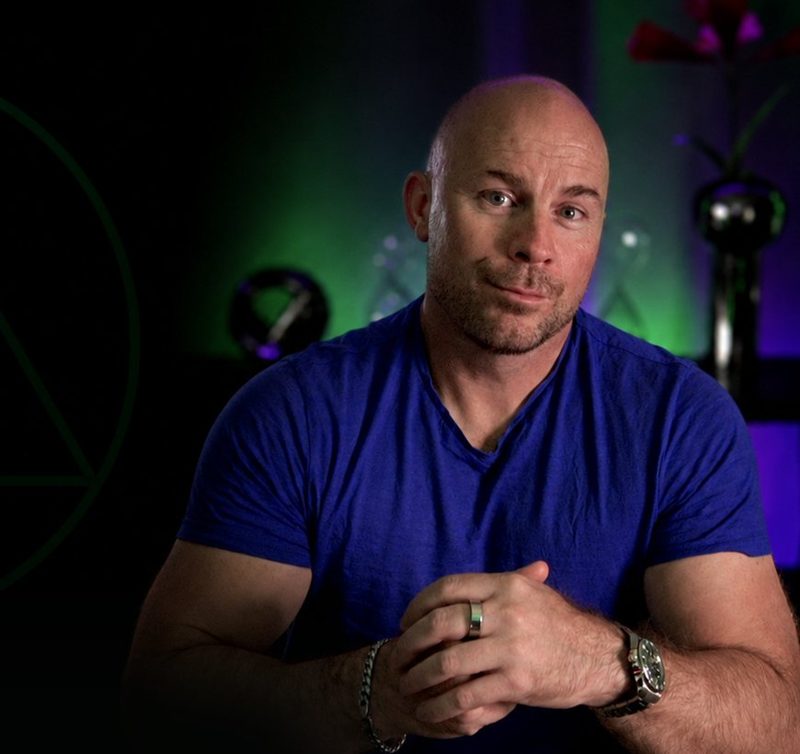
If you’ve tried to talk yourself out of this fear and it hasn’t worked, that isn’t a lack of willpower. A phobia is an alarm your mind learned, and logic alone rarely switches it off.
When I work with a fear of intruders and being attacked, I first look at where it began, whether that is a break in, an attack, something that happened to someone close to you, or a film or story that stuck. Using hypnotherapy and NLP over Zoom, I help your mind file those memories away as the past, so a noise in the night stops setting off the alarm. We rehearse evenings and nights at home feeling safe and calm, and walking out in the world with confidence. You get a recording of the hypnosis, which many people like to play at bedtime.
I’ve spent 17 years in clinical practice and helped more than 1,000 people with phobias. I hold a Postgraduate Certificate and a Postgraduate Diploma in Clinical Hypnotherapy, both with Distinction.
If you’re feeling low or on edge most of the time, talking to your GP or someone you trust can help too.
Common questions
Is this the same as a fear of crime?
They overlap. A fear of crime (scelerophobia) is a general fear of criminals and crime. A fear of intruders and being attacked is usually more personal: someone getting into your home, or someone hurting you.
Why is it worse at night?
Night is quieter, so small sounds stand out. It is darker, and you are often alone and tired, which gives an anxious mind more to work with.
What if it started after something real happened?
A fear that began after a real attack, break in or loss is a natural reaction, not an overreaction. If it comes with flashbacks or nightmares, it may be post-traumatic stress, and it is worth talking to your GP. Hypnotherapy can be part of the help, alongside the right support.
How do sessions work?
I use hypnotherapy and NLP to change how your mind responds when it senses danger that is not there. Sessions are one to one over Zoom, and you get a recording of the hypnosis to listen to afterwards.
How many sessions will I need?
Many clients notice a real difference after one 90 minute session. If the fear goes back a long way, three sessions gives us room to make the change stick.
Further reading: NHS: Post-traumatic stress disorder · Victim Support: Supportline · NHS: Phobias
Ready to start?
A short call is the simplest next step. We’ll talk about your fear, what you’d like to feel instead, and whether I’m the right person to help.
- Take the free test at the top of this page to see how strong your fear is.
- Book a 30 minute call. Use code PHOBIA at checkout for half price: £24.50 instead of £49 ($29.50 outside the UK).
- Start your sessions over Zoom from wherever you live, or face to face in Hertfordshire.
See all session options and prices