Fear of horror films
A fear of horror films can make a night in with friends feel like a trap. You make excuses, watch through your fingers, then lie awake for nights afterwards with every creak in the house putting you on edge.
Many people find that with the right help, they can feel calm at home and in the dark again, and choose what they watch because they want to, not because fear decides for them.
Use code PHOBIA at checkout for half price: £24.50 instead of £49. Outside the UK? $29.50.
Understanding this fear
Plenty of people simply do not like horror films or horror movies, and that is fine. With a fear of horror films, the reaction is much stronger and lasts long after the credits. Pictures stay in your mind, ordinary noises feel threatening and you may dread bedtime for days.
It is closely linked to a fear of the dark, a fear of ghosts, a fear of clowns and a fear of intruders.
Common triggers
- Sudden loud sounds
- Faces at windows
- Dolls, masks and clowns
- Footsteps and creaks at night
- Mirrors in the dark
- Being home alone
- Shadows in the corner of the room
- Talk of ghosts or the supernatural
Where it shows up
- Film nights with friends
- Sleepovers and parties
- The cinema or movie theater
- Streaming apps that autoplay trailers
- Halloween events
- Social media clips
- Your own bedroom at night
Symptoms
In your body
- Jumping at small noises
- Racing heart
- Feeling cold or shivery
- Tense shoulders
- Trouble falling asleep
In your mind
- Scenes replaying again and again
- Something is in the room
- Feeling silly for being scared
- Constant checking behind you
- Dreading the walk upstairs
What you might do
- Leaving the room or covering your eyes
- Sleeping with the light on
- Checking doors and cupboards
- Avoiding being alone after dark
- Skipping social plans
What causes it
Seeing a frightening film too young, a very vivid imagination, or a stressful time when you were already on edge can all start it. Your mind is built to remember danger, and it does not always tell the difference between a scene on a screen and a real threat. Avoiding anything scary brings relief, so the fear stays fresh.
How it can affect your life
A fear of horror films can spoil sleep, make evenings alone hard and leave you feeling left out when friends or family enjoy a scary film together. Around Halloween it can feel as if the fear is everywhere.
Things that can help day to day
- Watch something light and funny before bed if a scary image is stuck in your head
- Turn off autoplay on streaming apps so trailers do not catch you out
- Remind yourself of how the scene was made, with actors, lighting and sound effects
- Keep a soft light on if it helps, and treat it as a step, not a failure
- Breathe out slowly, a little longer than you breathe in, when you notice your heart racing
When to get help
It is worth getting help if the fear is affecting your sleep or stopping you doing things you would like to do. If frightening pictures in your mind come from something that really happened to you, rather than a film, please talk to your GP, as that needs a different kind of support.
How I can help
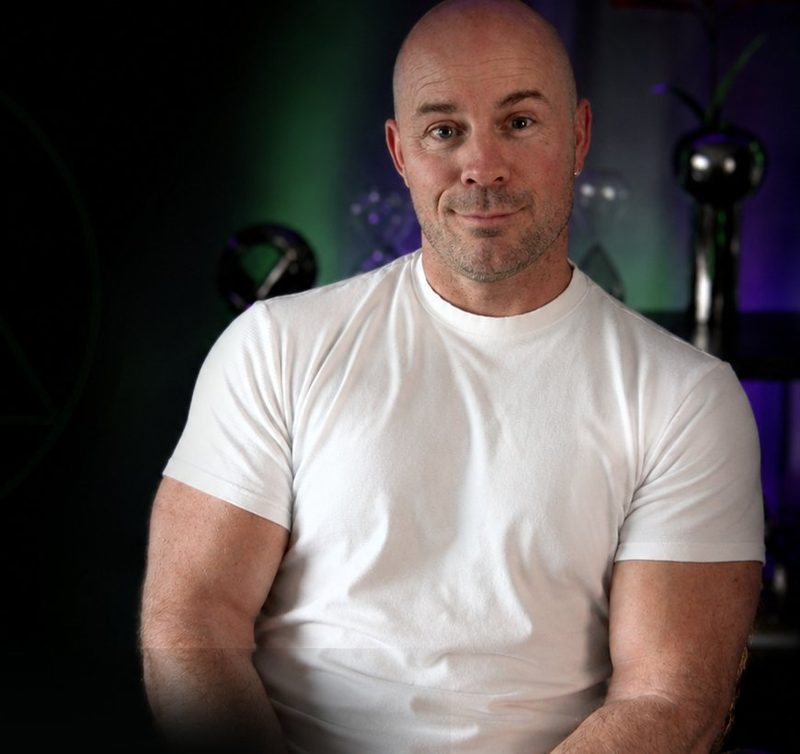
If you’ve tried to talk yourself out of this fear and it hasn’t worked, that isn’t a lack of willpower. A phobia is an alarm your mind learned, and logic alone rarely switches it off.
When I work with a fear of horror films, I first find out what the fear is really about for you, whether that is one film, a type of scene or a feeling of not being safe at night. Using hypnotherapy and NLP over Zoom, I help your mind let go of the old alarm and settle the pictures that keep coming back. We rehearse calm evenings and calm nights in your mind, in detail, until they feel ordinary. You get a recording of the hypnosis to listen to whenever you need it.
I’ve spent 17 years in clinical practice and helped more than 1,000 people with phobias. I hold a Postgraduate Certificate and a Postgraduate Diploma in Clinical Hypnotherapy, both with Distinction.
If you’re feeling low or on edge most of the time, talking to your GP or someone you trust can help too.
Common questions
Is a fear of horror films a real phobia?
There is no separate medical name for it, but when the fear is far stronger than the real risk and starts to shape your life, it works in the same way as a phobia and responds to the same kind of help.
Why can’t I stop thinking about a scary film?
Your mind treats frightening pictures as something to remember and watch out for. Calming that alarm helps the pictures fade, so they stop coming back at night.
Will I have to watch horror films after working on this?
No. The aim is that you choose what you watch and feel calm at home afterwards, not that you start loving horror.
How do sessions work?
I use hypnotherapy and NLP to change how your mind responds to this fear. Sessions are one to one over Zoom, and you get a recording of the hypnosis to listen to afterwards.
How many sessions will I need?
Many clients notice a real difference after one 90 minute session. If the fear goes back a long way, three sessions gives us room to make the change stick.
Further reading: NHS: Phobias, UW Psychiatry: How to stop being scared after a scary movie
Ready to start?
A short call is the simplest next step. We’ll talk about your fear, what you’d like to feel instead, and whether I’m the right person to help.
- Take the free test at the top of this page to see how strong your fear is.
- Book a 30 minute call. Use code PHOBIA at checkout for half price: £24.50 instead of £49 ($29.50 outside the UK).
- Start your sessions over Zoom from wherever you live, or face to face in Hertfordshire.
See all session options and prices