
Fear of motorway or highway driving
A fear of motorway driving can make a simple journey feel impossible. You plan long routes on A roads, dread the slip road, and grip the wheel when lorries pass or the traffic speeds up.
Many people find that with the right help, they can join the motorway, hold their lane and settle into the drive, instead of planning every journey around avoiding it.
Use code PHOBIA at checkout for half price: £24.50 instead of £49. Outside the UK? $29.50.
Understanding this fear
Plenty of confident drivers feel uneasy on fast roads. With a fear of motorway driving, the worry is much stronger and starts to decide where you go. In the US people call these highways, freeways or interstates, and the feeling is the same: speed, big vehicles and the sense that you cannot simply pull over and stop.
It is closely linked to a general fear of driving, a fear of speed, a fear of losing control and a fear of riding in cars. Some people only feel it on motorways, while others feel it on fast dual carriageways too.
Common triggers
- Merging into fast traffic
- Lorries close behind or alongside
- Overtaking or being overtaken
- Smart motorways with no hard shoulder
- Long gaps between junctions
- Heavy rain, spray or fog
- Queues that suddenly stop
- Being a passenger at speed
Where it shows up
- Commuting to work
- Visiting family further away
- Airport runs
- Holidays and long trips
- Driving for work
- Ring roads and city bypasses
- Interstates and freeways abroad
Symptoms
In your body
- Racing or pounding heart
- Tight grip and tense shoulders
- Sweating or hot face
- Short, fast breathing
- Feeling light headed or shaky
In your mind
- What if I panic and cannot get off?
- Picturing a crash
- Feeling trapped between lorries
- Counting the miles to the next exit
- Doubting your own driving
What you might do
- Taking long routes to avoid the motorway
- Staying in the inside lane at all costs
- Asking someone else to drive
- Turning down trips and jobs
- Leaving at odd hours to miss traffic
What causes it
A near miss, a breakdown, a crash you saw or heard about, or a panic attack at the wheel can all be enough to start it. For some people it begins after a long break from driving, or after passing their test without much motorway practice. Once the fear is there, avoiding the motorway brings quick relief, which teaches your mind that motorways really are dangerous, so the fear grows.
How it can affect your life
A fear of motorway driving can add hours to journeys, limit where you can work and make visits to family a big event. Some people rely on partners or friends to drive, and feel embarrassed or frustrated that something so ordinary feels so hard.
Things that can help day to day
- Breathe out slowly, a little longer than you breathe in, before you join the motorway
- Start with a short stretch between two close junctions at a quiet time
- Take a motorway lesson with a qualified instructor to rebuild your skills
- Plan your route and breaks so you know where every exit is
- Remind yourself that the feeling of panic rises and then falls, even while you keep driving
When to get help
It is worth getting help if the fear is stopping you working, visiting people or travelling, or if you have had panic attacks while driving. If you are anxious most days, or you have a health condition that affects your driving, talk to your GP first.
How I can help
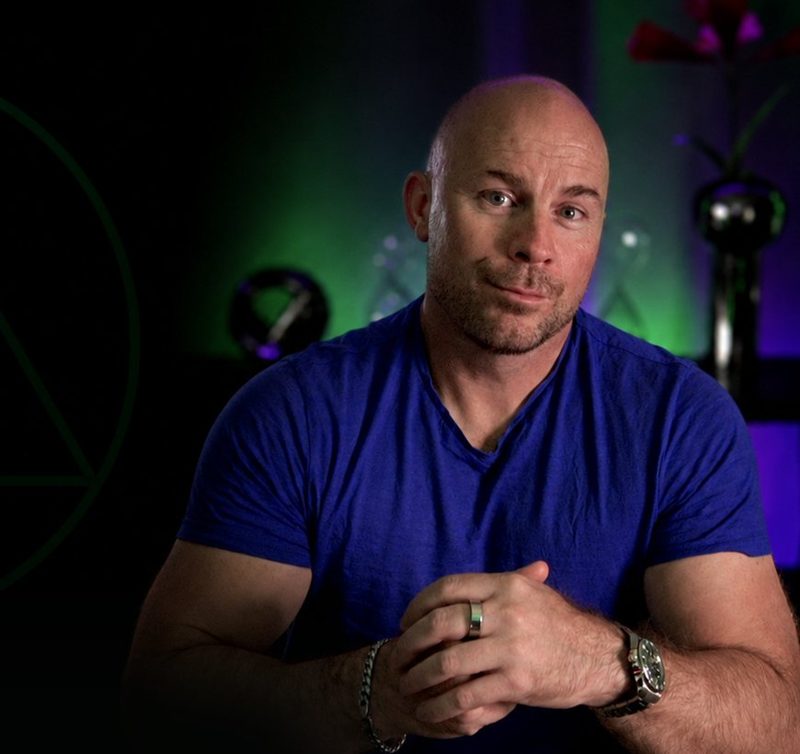
If you’ve tried to talk yourself out of this fear and it hasn’t worked, that isn’t a lack of willpower. A phobia is an alarm your mind learned, and logic alone rarely switches it off.
When I work with a fear of motorway driving, I first find out what the fear is really about for you, whether that is speed, lorries, feeling trapped or the fear of panicking at the wheel. Using hypnotherapy and NLP over Zoom, I help your mind let go of the old alarm, so the motorway becomes just another road. We rehearse a calm journey in your mind, from the slip road to your exit, until it feels ordinary. You get a recording of the hypnosis to listen to whenever you need it.
I’ve spent 17 years in clinical practice and helped more than 1,000 people with phobias. I hold a Postgraduate Certificate and a Postgraduate Diploma in Clinical Hypnotherapy, both with Distinction.
If you’re feeling low or on edge most of the time, talking to your GP or someone you trust can help too.
Common questions
Is a fear of motorway driving a real phobia?
There is no separate medical name for it, but when the fear is far stronger than the real risk and starts to shape your life, it works in the same way as a phobia and responds to the same kind of help.
Why am I fine on normal roads but not motorways?
Motorways bring speed, big vehicles and long stretches with no easy way off. For an anxious mind, feeling unable to escape is one of the strongest triggers.
Will working on the fear make me take risks?
No. Only drive when you feel safe to do so. Working on the fear is about feeling calm and in control, not about taking risks.
How do sessions work?
I use hypnotherapy and NLP to change how your mind responds to this fear. Sessions are one to one over Zoom, and you get a recording of the hypnosis to listen to afterwards.
How many sessions will I need?
Many clients notice a real difference after one 90 minute session. If the fear goes back a long way, three sessions gives us room to make the change stick.
Further reading: NHS: Phobias, The AA: Fear of motorways
Ready to start?
A short call is the simplest next step. We’ll talk about your fear, what you’d like to feel instead, and whether I’m the right person to help.
- Take the free test at the top of this page to see how strong your fear is.
- Book a 30 minute call. Use code PHOBIA at checkout for half price: £24.50 instead of £49 ($29.50 outside the UK).
- Start your sessions over Zoom from wherever you live, or face to face in Hertfordshire.
See all session options and prices