
Fear of boats and ships
A fear of boats and ships can rule out ferries, cruises and harbour trips, and turn the thought of a crossing into days of worry about sinking, rough seas or being sick.
Many people find that with the right help, they can step on board feeling steady and enjoy the trip, from a short ferry to a holiday at sea.
Use code PHOBIA at checkout for half price: £24.50 instead of £49. Outside the UK? $29.50.
Understanding this fear
Feeling a bit uneasy on the water is common. With a fear of boats and ships, the worry is much stronger and starts long before you board. Some people fear the boat sinking or capsizing, some fear rough water and the rolling movement, and some dread being sick or feeling trapped with no way off until you reach the other side.
You may see the term nautophobia used, mostly on lists of phobias. It often overlaps with a fear of water, a fear of the sea, a fear of being sick and a fear of travel. Seasickness is a physical reaction, not a phobia, but a bad bout of it can be where the fear began.
Common triggers
- The deck rolling or swaying
- Choppy water or bad weather forecasts
- Being far from land
- Small boats close to the water
- Being below deck with no view
- Safety announcements and life jackets
- Films or news about shipwrecks
- Feeling queasy
Where it shows up
- Car and foot ferries
- Cruise ships
- River and lake boat trips
- Water taxis and harbour tours
- Fishing and sailing trips
- Holidays that include island hopping
Symptoms
In your body
- Racing heart
- Feeling sick or dizzy
- Shaky legs
- Tight chest or fast breathing
- Sweating
In your mind
- What if it sinks?
- Feeling trapped with no way off
- Fear of being sick in front of people
- Watching every wave and sound
What you might do
- Avoiding ferries and cruises
- Flying or driving the long way round
- Staying on deck by the exits
- Asking again and again about the weather
What causes it
A rough crossing, a bad bout of seasickness or a scary moment on a small boat can start this fear. Films and news about shipwrecks leave strong pictures, especially for children. It can also grow out of a fear of water, of being sick or of being trapped. Avoiding boats brings relief, which teaches your mind that boats really were dangerous.
How it can affect your life
This fear can limit holidays, family visits to islands and work that involves crossings. People may spend more money and time on other routes, or stay home while others go. It can also mean missing shared experiences like a cruise, a wedding abroad or a day trip with children.
Things that can help day to day
- Choose calm days and larger boats to start with, and sit in the middle near a window
- Look at the horizon rather than the water close to the boat
- Breathe out slowly, a little longer than you breathe in, as you board
- Learn where the crew are and listen to the safety briefing, then let them do the worrying
- If you get seasick, ask a pharmacist about ways to prevent it before you travel
When to get help
It is worth getting help if this fear is stopping you seeing family, taking holidays or doing your job. If you get very bad sickness when you travel, a pharmacist or your GP can advise. If anxiety is affecting your daily life, your GP is a good first port of call.
How I can help
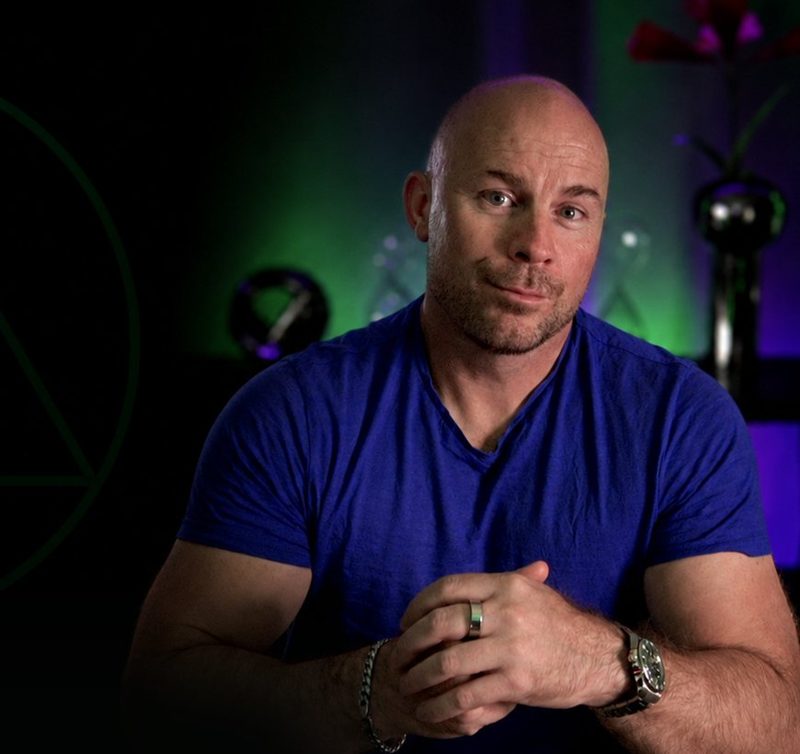
If you’ve tried to talk yourself out of this fear and it hasn’t worked, that isn’t a lack of willpower. A phobia is an alarm your mind learned, and logic alone rarely switches it off.
When I work with a fear of boats and ships, I first find out what the fear is really about, whether that is sinking, the movement, being sick or feeling trapped. Using hypnotherapy and NLP over Zoom, I help your mind let go of the old alarm, so the motion of a boat feels like something you can ride with rather than fight. We rehearse the trip in your mind, from the queue to stepping off at the other side, until it feels calm and ordinary. You get a recording of the hypnosis to listen to before you travel.
I’ve spent 17 years in clinical practice and helped more than 1,000 people with phobias. I hold a Postgraduate Certificate and a Postgraduate Diploma in Clinical Hypnotherapy, both with Distinction.
If you’re feeling low or on edge most of the time, talking to your GP or someone you trust can help too.
Common questions
Is this the same as being seasick?
No. Seasickness is your body reacting to movement, and it can happen to anyone. A fear of boats is anxiety about being on board. They can feed each other, so it can help to deal with both.
Why do I feel fine on land but panic on board?
On a boat you cannot simply walk away, and the ground moves under you. That loss of control is often what an anxious mind reacts to most.
Can I go on a cruise if I am scared of boats?
Many people with this fear go on to enjoy cruises once the fear is calmer. It helps to start with shorter trips and build up, at a pace that feels right for you.
How do sessions work?
I use hypnotherapy and NLP to change how your mind responds to this fear. Sessions are one to one over Zoom, and you get a recording of the hypnosis to listen to afterwards.
How many sessions will I need?
Many clients notice a real difference after one 90 minute session. If the fear goes back a long way, three sessions gives us room to make the change stick.
Further reading: NHS: Motion sickness · NHS: Phobias
Ready to start?
A short call is the simplest next step. We’ll talk about your fear, what you’d like to feel instead, and whether I’m the right person to help.
- Take the free test at the top of this page to see how strong your fear is.
- Book a 30 minute call. Use code PHOBIA at checkout for half price: £24.50 instead of £49 ($29.50 outside the UK).
- Start your sessions over Zoom from wherever you live, or face to face in Hertfordshire.
See all session options and prices