
Fear of anaesthesia
A fear of anaesthesia (anesthesia in the US) can make the thought of an operation frightening long before the day itself, with worries about going under, losing control or not waking up.
Many people find that with the right help, they can go into a procedure feeling calmer, with fewer sleepless nights beforehand.
Use code PHOBIA at checkout for half price: £24.50 instead of £49. Outside the UK? $29.50.
Understanding this fear
Feeling nervous before an anaesthetic is very common. With a fear of anaesthesia, the worry is much stronger and can take over the weeks before a procedure. People often fear not waking up, being aware during the operation, losing control, saying something embarrassing, being sick afterwards or the mask or needle itself.
It often overlaps with a fear of surgery, a fear of hospitals, a fear of needles and a fear of death. This page is about the fear itself, not medical advice. Your anaesthetist is the right person to answer questions about your own anaesthetic, and you can ask to speak to them before the day.
Common triggers
- Being told you need a procedure
- Stories about waking up during surgery
- The smell or sounds of the hospital
- Not eating or drinking beforehand
- The mask over your face
- The cannula going in
- Being asked to count backwards
- Losing control as you drift off
Where it shows up
- Pre-assessment clinics
- Day surgery units
- The anaesthetic room
- Dental surgery and sedation
- At home in the nights before
- Hospital waiting areas
Symptoms
In your body
- Racing heart
- Not sleeping before the day
- Feeling sick or losing your appetite
- Shaking or feeling cold
- Tight chest
In your mind
- What if I do not wake up?
- What if I can feel it?
- Hating the idea of losing control
- Picturing everything that could go wrong
What you might do
- Putting off or cancelling procedures
- Searching online for risks late at night
- Asking for reassurance again and again
- Avoiding talking about it at all
What causes it
A difficult experience with an earlier anaesthetic, or hearing about one, can start this fear. For many people it is about control: going to sleep on purpose and handing yourself over to others feels unnatural. Health worries, a fear of death or a fear of needles can all feed into it. Searching online can make it worse, as frightening stories stand out more than the many routine ones.
How it can affect your life
The main worry with this fear is that it can delay treatment that matters for your health. It can also mean weeks of poor sleep and dread before a procedure, and more distress on the day. Some people avoid dental work or tests that need sedation.
Things that can help day to day
- Write your questions down and ask your anaesthetist, as most are glad to explain
- Tell the pre-assessment team that you feel anxious, so they can plan to help
- Practise slow breathing at home, breathing out a little longer than you breathe in
- Plan something calm to think about as you go to sleep, such as a favourite place
- Limit late night searching online, and use trusted patient information instead
When to get help
If fear is making you think about cancelling a procedure, talk to your GP or the hospital team as soon as you can, as they may be able to offer more support. It is also worth getting help if the worry is affecting your sleep or daily life for weeks before treatment.
How I can help
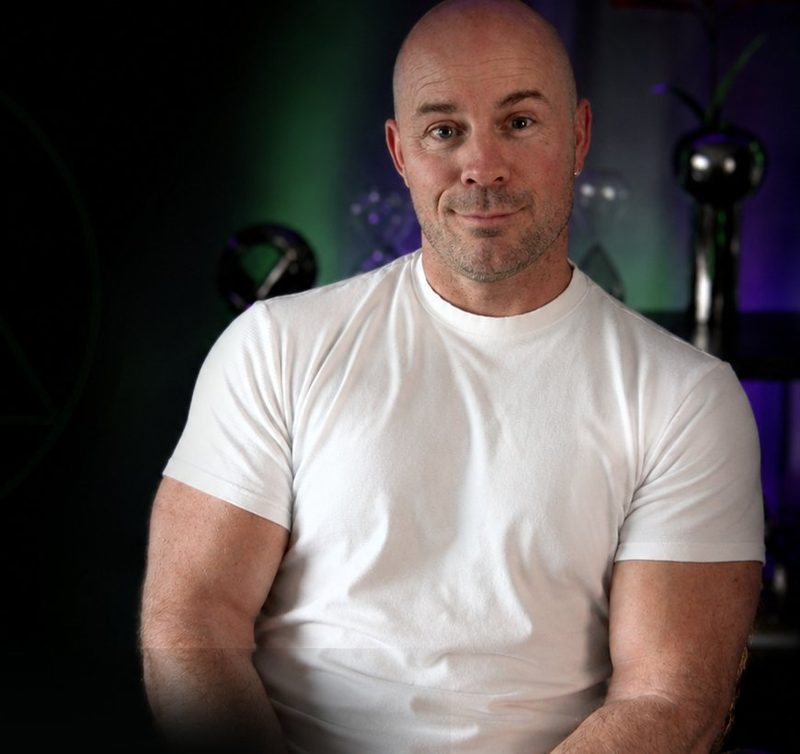
If you’ve tried to talk yourself out of this fear and it hasn’t worked, that isn’t a lack of willpower. A phobia is an alarm your mind learned, and logic alone rarely switches it off.
When I work with a fear of anaesthesia, I first look at what sits underneath it, whether that is control, a past experience, health worries or the needle or mask itself. Using hypnotherapy and NLP over Zoom, I help you build a calm place in your mind that you can go to as you drift off. We rehearse the day from arrival to waking up in recovery, so your body learns a calmer response. You get a recording of the hypnosis to listen to in the days before.
I’ve spent 17 years in clinical practice and helped more than 1,000 people with phobias. I hold a Postgraduate Certificate and a Postgraduate Diploma in Clinical Hypnotherapy, both with Distinction.
If you’re feeling low or on edge most of the time, talking to your GP or someone you trust can help too.
Common questions
Is it normal to be scared of going under?
Yes. Many people feel anxious about an anaesthetic. It becomes a problem when the fear causes weeks of worry or makes you think about putting off treatment.
Who can answer my questions about the anaesthetic?
Your anaesthetist and the pre-assessment team are the right people. The Royal College of Anaesthetists also has clear patient information that explains what happens.
Can hypnotherapy help before an operation?
Many people find that learning to relax deeply and rehearsing the day in their mind helps them feel calmer. It works alongside your medical care, not instead of it, so keep your team informed.
How do sessions work?
I use hypnotherapy and NLP to change how your mind responds to this fear. Sessions are one to one over Zoom, and you get a recording of the hypnosis to listen to afterwards.
How many sessions will I need?
Many clients notice a real difference after one 90 minute session. If the fear goes back a long way, three sessions gives us room to make the change stick.
Further reading: Royal College of Anaesthetists: Anaesthesia explained · PMC: Preoperative anxiety in adults · NHS: Phobias
Ready to start?
A short call is the simplest next step. We’ll talk about your fear, what you’d like to feel instead, and whether I’m the right person to help.
- Take the free test at the top of this page to see how strong your fear is.
- Book a 30 minute call. Use code PHOBIA at checkout for half price: £24.50 instead of £49 ($29.50 outside the UK).
- Start your sessions over Zoom from wherever you live, or face to face in Hertfordshire.
See all session options and prices