
Fear of conflict and confrontation
A fear of conflict and confrontation can leave you agreeing to things you do not want, keeping quiet when something is wrong, and going over arguments in your head long after they have ended.
Many people find that with the right help, they can say what they need calmly and clearly, handle disagreements and stop carrying the stress home.
Use code PHOBIA at checkout for half price: £24.50 instead of £49. Outside the UK? $29.50.
Understanding this fear
Nobody enjoys an argument. With a fear of conflict, even a small disagreement can feel dangerous, and the urge to smooth things over, give in or get away is very strong. People often describe themselves as people pleasers, avoid saying no, and feel guilty or shaky after standing up for themselves.
It overlaps with a fear of anger, a fear of rejection and abandonment, a fear of being judged and social anxiety. If you are afraid because someone close to you shouts at you, threatens you or controls you, that is not a phobia, and support is available. In the UK you can call the National Domestic Abuse Helpline free on 0808 2000 247.
Common triggers
- Raised voices or slammed doors
- Someone being annoyed or disappointed with you
- Having to say no
- Complaining about poor service
- Giving or getting feedback at work
- Family gatherings with old tensions
- Messages that sound angry
- Disagreements in group chats
Where it shows up
- Work, meetings and appraisals
- Home and family
- Friendships
- Shops and restaurants
- Neighbours and landlords
- Online and in group chats
Symptoms
In your body
- Racing heart
- Hot face or shaking
- Mind going blank
- Tearfulness
- Knot in the stomach
In your mind
- They will be angry with me
- It is easier to give in
- I will say it wrong
- Replaying it for days afterwards
What you might do
- Saying yes when you mean no
- Apologising when it is not your fault
- Avoiding difficult conversations
- Using messages instead of talking
What causes it
This fear often starts in childhood, especially in homes where there was shouting or where disagreement felt unsafe, or where a child learned to keep the peace. Bullying, a harsh manager or a difficult relationship can also leave a mark. Keeping quiet brings relief in the moment, which teaches your mind that speaking up really was dangerous, so the fear grows.
How it can affect your life
A fear of conflict can mean being taken advantage of at work, staying in situations that are not right, and putting everyone else’s needs first. Over time it can lead to resentment, stress, poor sleep and low self-esteem, and relationships can suffer because problems never get talked about.
Things that can help day to day
- Practise saying no to small things first, kindly and without a long explanation
- Write down the one thing you need to say before a difficult conversation
- Breathe out slowly before you speak, to calm the first rush of nerves
- Use simple, calm phrases such as I see it differently, or I need some time to think
- Remember that a disagreement is not the same as the end of a relationship
When to get help
It is worth getting help if this fear is affecting your work, health or relationships, or if you often feel anxious, low or resentful. Your GP is a good first port of call if anxiety is affecting your daily life. If you feel unsafe with someone at home, please reach out for support, and in an emergency call 999.
How I can help
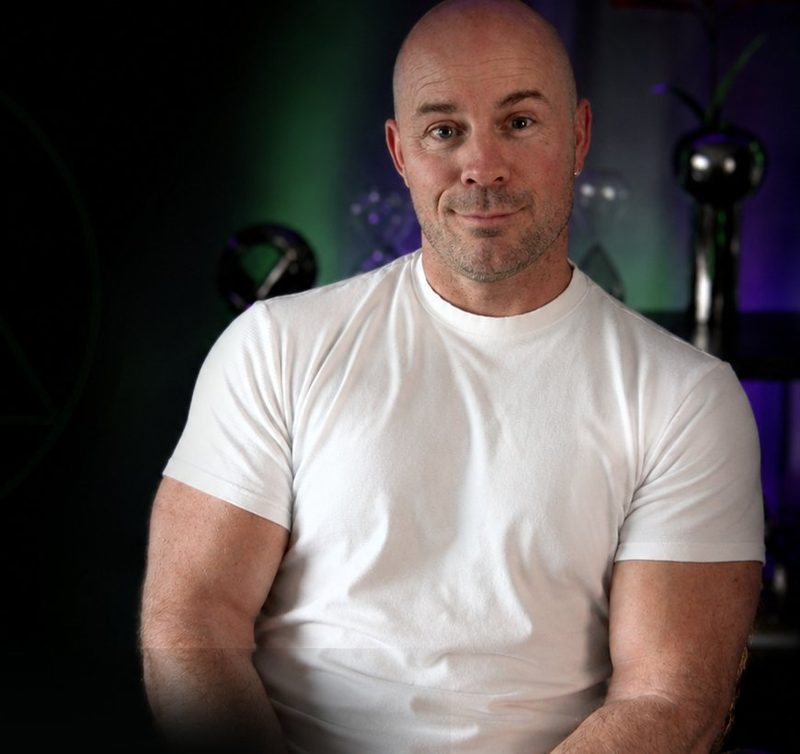
If you’ve tried to talk yourself out of this fear and it hasn’t worked, that isn’t a lack of willpower. A phobia is an alarm your mind learned, and logic alone rarely switches it off.
When I work with a fear of conflict, I first look at where it began, often in early family life, school or a relationship where disagreeing felt risky. Using hypnotherapy and NLP over Zoom, I help your mind let go of that old alarm, so a difficult conversation feels like something you can handle. We rehearse the conversations that matter to you, calmly and clearly, until your body stays steady. You get a recording of the hypnosis to listen to before those moments.
I’ve spent 17 years in clinical practice and helped more than 1,000 people with phobias. I hold a Postgraduate Certificate and a Postgraduate Diploma in Clinical Hypnotherapy, both with Distinction.
If you’re feeling low or on edge most of the time, talking to your GP or someone you trust can help too.
Common questions
Is it a phobia or just being a people pleaser?
They often go together. People pleasing is a way of avoiding conflict. When the fear is strong enough to shape what you say and do every day, it is worth treating like any other fear.
Why do I go blank in arguments?
When your mind senses a threat, the alarm system takes over and clear thinking becomes harder. That is why you think of the perfect reply hours later.
Will this make me aggressive?
No. The aim is to feel calm enough to say what you need clearly and kindly, not to become confrontational.
How do sessions work?
I use hypnotherapy and NLP to change how your mind responds to this fear. Sessions are one to one over Zoom, and you get a recording of the hypnosis to listen to afterwards.
How many sessions will I need?
Many clients notice a real difference after one 90 minute session. If the fear goes back a long way, three sessions gives us room to make the change stick.
Further reading: NHS: Anxiety, fear and panic · NHS: Phobias
Ready to start?
A short call is the simplest next step. We’ll talk about your fear, what you’d like to feel instead, and whether I’m the right person to help.
- Take the free test at the top of this page to see how strong your fear is.
- Book a 30 minute call. Use code PHOBIA at checkout for half price: £24.50 instead of £49 ($29.50 outside the UK).
- Start your sessions over Zoom from wherever you live, or face to face in Hertfordshire.
See all session options and prices