
Fear of the unknown
A fear of the unknown can keep you in the same job, the same town and the same routine, because anything new feels like a risk you cannot plan for.
Many people find that with the right help, they can feel curious rather than frightened about what comes next, and make changes they have been putting off.
Use code PHOBIA at checkout for half price: £24.50 instead of £49. Outside the UK? $29.50.
Understanding this fear
Everyone feels a little uneasy when they do not know what is coming. With a fear of the unknown, that uncertainty feels almost unbearable, and the mind fills the gaps with worst case pictures. Researchers often call this intolerance of uncertainty, and some see it as a thread running through many kinds of anxiety and worry.
There is no single medical name for it, though you may see xenophobia used for it on some lists. That word usually means a fear or dislike of people from other countries, so it is best avoided. It overlaps with a fear of change, a fear of new things, generalised anxiety and a fear of making decisions.
Common triggers
- Waiting for news
- Unclear plans
- New places and people
- Big life changes
- Health tests and results
- World events
- Decisions with no right answer
- Silence from someone you care about
Where it shows up
- Starting a new job
- Moving home
- Travel to new places
- Relationships and dating
- Health appointments
- Late at night, alone with your thoughts
Symptoms
In your body
- Restlessness or feeling on edge
- Trouble sleeping
- Tight chest
- Upset stomach
- Tension in the neck and shoulders
In your mind
- What if it all goes wrong?
- Needing to know for sure
- Running through every possible outcome
- Feeling stuck between choices
What you might do
- Sticking with what you know
- Over-researching and planning
- Seeking reassurance
- Putting off decisions
What causes it
This fear often grows in people who went through unpredictable or difficult times, especially early in life, and learned that not knowing meant danger. A big loss or shock can also make the mind more watchful. Some people are naturally more sensitive to uncertainty. Avoiding new things and seeking certainty bring short-term relief, which teaches the mind that the unknown really was dangerous.
How it can affect your life
A fear of the unknown can keep people in jobs, relationships or places that no longer suit them, and stop them travelling or trying new things. It can lead to long hours of worry, poor sleep and a sense of life passing by. People close to them may feel frustrated when plans keep stalling.
Things that can help day to day
- Notice when your mind is trying to predict the future, and bring it back to today
- Try one small new thing each week, such as a new route or a new cafe
- Make decisions with enough information rather than all the information
- Set a short worry time each day, so worries do not take over the whole day
- Remind yourself of past changes you got through, even when you did not know how
When to get help
It is worth getting help if this fear is keeping you stuck, affecting your sleep, or making you worry most of the day. If anxiety or low mood is affecting your daily life, your GP is a good first port of call, and talking therapies are available through the NHS.
How I can help
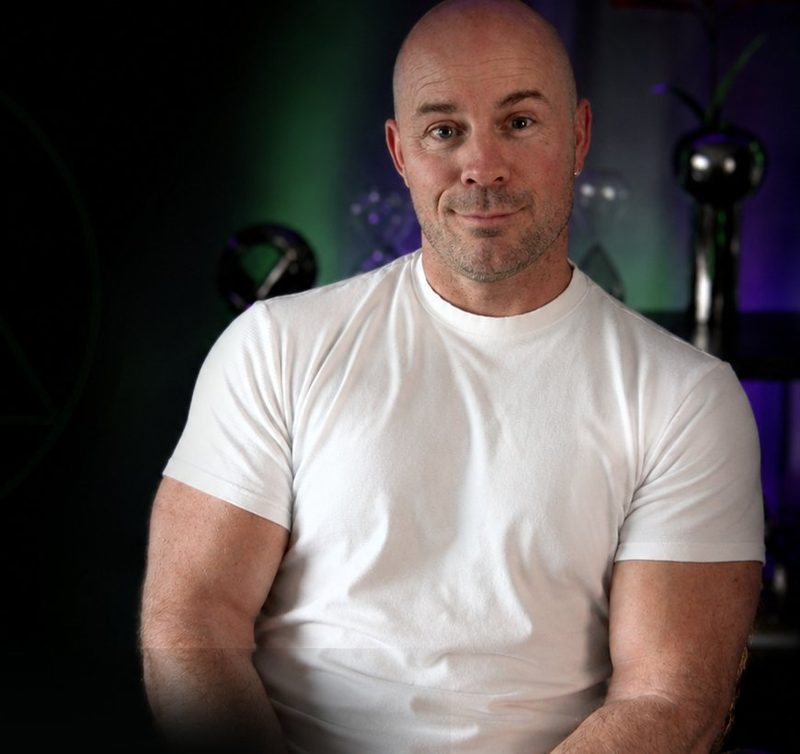
If you’ve tried to talk yourself out of this fear and it hasn’t worked, that isn’t a lack of willpower. A phobia is an alarm your mind learned, and logic alone rarely switches it off.
When I work with a fear of the unknown, I first look at where the need for certainty began, as it often made sense at the time. Using hypnotherapy and NLP over Zoom, I help your mind build a calm sense of trust in yourself, so not knowing feels less like a threat. We rehearse the changes you are facing, such as a new job, a move or a decision, until they feel possible. You get a recording of the hypnosis to listen to between sessions.
I’ve spent 17 years in clinical practice and helped more than 1,000 people with phobias. I hold a Postgraduate Certificate and a Postgraduate Diploma in Clinical Hypnotherapy, both with Distinction.
If you’re feeling low or on edge most of the time, talking to your GP or someone you trust can help too.
Common questions
Is a fear of the unknown a real phobia?
It is not usually listed as a phobia on its own, but it is a very real fear. Researchers see intolerance of uncertainty as a key part of worry and anxiety, and it responds well to help.
Why does my mind always imagine the worst?
When something is uncertain, an anxious mind tries to prepare by picturing what could go wrong. It feels protective, but it keeps you on edge without making the future any safer.
Can I learn to feel comfortable with uncertainty?
Many people do. Small, regular steps into the unknown, and a calmer body, teach the mind that you can cope with not knowing.
How do sessions work?
I use hypnotherapy and NLP to change how your mind responds to this fear. Sessions are one to one over Zoom, and you get a recording of the hypnosis to listen to afterwards.
How many sessions will I need?
Many clients notice a real difference after one 90 minute session. If the fear goes back a long way, three sessions gives us room to make the change stick.
Further reading: Medical News Today: Fear of the unknown · PubMed: Fear of the unknown, one fear to rule them all? · NHS: Phobias
Ready to start?
A short call is the simplest next step. We’ll talk about your fear, what you’d like to feel instead, and whether I’m the right person to help.
- Take the free test at the top of this page to see how strong your fear is.
- Book a 30 minute call. Use code PHOBIA at checkout for half price: £24.50 instead of £49 ($29.50 outside the UK).
- Start your sessions over Zoom from wherever you live, or face to face in Hertfordshire.
See all session options and prices