
Fear of ladders
A fear of ladders can make a simple job like changing a light bulb, getting into the loft or clearing the gutters feel impossible, with your legs turning to jelly a few rungs up.
Many people find that with the right help, they can climb a ladder steadily and safely, and stop waiting for someone else to do the jobs they need done.
Use code PHOBIA at checkout for half price: £24.50 instead of £49. Outside the UK? $29.50.
Understanding this fear
Care on a ladder is sensible, because falls do happen. With a fear of ladders, the feeling goes far beyond care. It starts long before you climb, it can freeze you on the second rung, and coming down can feel even worse than going up. Some people fear the ladder slipping, some fear losing their balance, and some feel a pull towards the drop.
There is no widely used medical name for it. It is closely linked to a fear of heights, a fear of falling and a fear of stairs and steep slopes. For many people the problem is less the height itself and more the feeling of not being on solid ground.
Common triggers
- Getting on the first few rungs
- Reaching the top and letting go with one hand
- Turning round to come back down
- A ladder that moves or creaks
- Uneven or soft ground at the bottom
- Looking down
- Carrying something while climbing
- Being watched while you climb
Where it shows up
- Loft and attic ladders
- Stepladders at home
- Gutters, windows and painting jobs
- Building sites and trade work
- Warehouses and shop stockrooms
- Climbing frames and bunk beds with children
- Boats, pools and climbing walls
Symptoms
In your body
- Racing or pounding heart
- Shaky legs or knees that feel weak
- Sweaty hands
- Dizziness or feeling light-headed
- Gripping the rails so hard your hands ache
In your mind
- What if it slips?
- Picturing yourself falling
- Feeling pulled towards the drop
- Being unable to think about anything else
- Worrying you will freeze and be stuck
What you might do
- Asking or paying others to do jobs
- Leaving jobs undone for months
- Only climbing when someone holds the ladder
- Coming down as fast as possible
- Avoiding work that involves ladders
What causes it
A fall, a slip or a near miss on a ladder, or seeing someone else fall, can be enough to start it. Some people pick it up from a parent who was nervous at height. It often grows out of a fear of heights or a fear of falling, and it can get stronger after an injury or a period of feeling unsteady. Once the fear is there, avoiding ladders brings quick relief, which teaches your mind that ladders really were dangerous, so the fear grows.
How it can affect your life
A fear of ladders can quietly pile up jobs. People pay for small tasks they could do themselves, leave things broken, feel embarrassed asking for help, or worry about their job if it involves working at height. It can also leave you feeling less independent at home.
Things that can help day to day
- Use a ladder in good condition, on firm level ground, and keep three points of contact while you climb
- Have someone foot the ladder when you start practising
- Breathe out slowly, a little longer than you breathe in, before each step
- Keep your eyes on the rung or the job in front of you rather than the ground
- Start with a low stepladder and a couple of steps, then build up at your own pace
When to get help
It is worth getting help if you are planning your life around ladders, putting off jobs, or worried about work, or if the fear is spreading to stairs, balconies or other heights. If you feel dizzy or unsteady in other situations, or the anxiety is affecting your daily life, your GP is a good first port of call.
Some caution is always right on a ladder. If a job is high, risky or needs special equipment, it is sensible to use a professional, whatever you feel.
How I can help
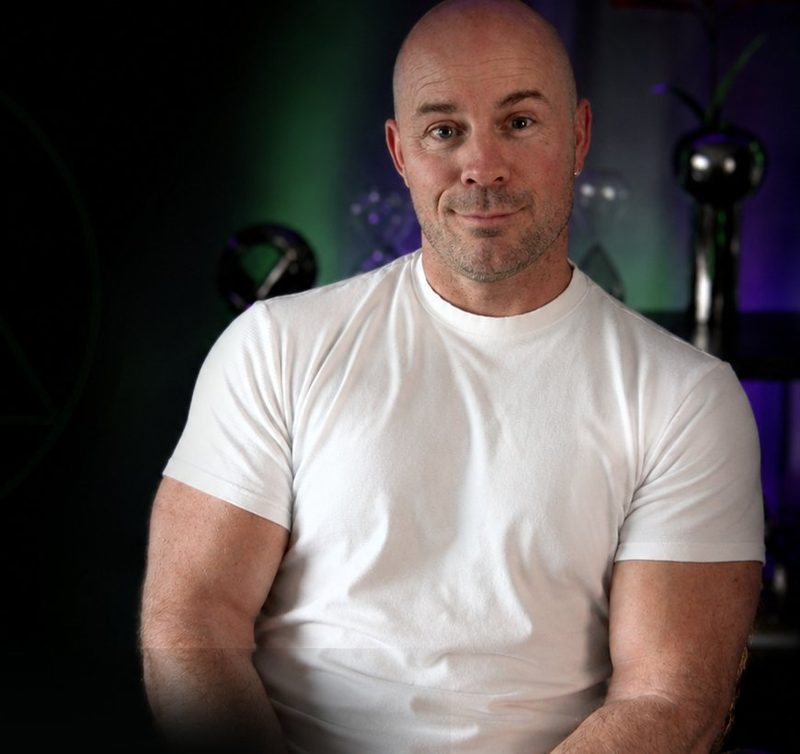
If you’ve tried to talk yourself out of this fear and it hasn’t worked, that isn’t a lack of willpower. A phobia is an alarm your mind learned, and logic alone rarely switches it off.
When I work with a fear of ladders, I first find out what the fear is really about for you, whether that is falling, the ladder moving, the drop below or a past slip. Using hypnotherapy and NLP over Zoom, I help your mind let go of the old alarm, so you can climb with calm, sensible care instead of panic. We rehearse climbing up and coming back down in your mind, steadily and in detail, until it feels ordinary. You get a recording of the hypnosis to listen to before a job.
I’ve spent 17 years in clinical practice and helped more than 1,000 people with phobias. I hold a Postgraduate Certificate and a Postgraduate Diploma in Clinical Hypnotherapy, both with Distinction.
If you’re feeling low or on edge most of the time, talking to your GP or someone you trust can help too.
Common questions
Is a fear of ladders the same as a fear of heights?
They often go together, but not always. Some people are fine on a balcony or a cliff path with a railing, and only struggle on a ladder, where the footing feels narrow and the support feels like it could move.
Why is coming down worse than going up?
Going up, you face the ladder and look at the next rung. Coming down, you have to feel for steps you cannot see, and many people glance at the drop, which sets the alarm off again.
Can I keep working at height while I work on this?
Follow your workplace safety rules and talk to your manager if the fear is affecting your work. Never climb if you feel too panicky to do it safely, and get help so the fear stops making that choice for you.
How do sessions work?
I use hypnotherapy and NLP to change how your mind responds to this fear. Sessions are one to one over Zoom, and you get a recording of the hypnosis to listen to afterwards.
How many sessions will I need?
Many clients notice a real difference after one 90 minute session. If the fear goes back a long way, three sessions gives us room to make the change stick.
Further reading: NHS: Phobias · HSE: Safe use of ladders and stepladders · Ladder Association: Safe use of ladders, a brief guide
Ready to start?
A short call is the simplest next step. We’ll talk about your fear, what you’d like to feel instead, and whether I’m the right person to help.
- Take the free test at the top of this page to see how strong your fear is.
- Book a 30 minute call. Use code PHOBIA at checkout for half price: £24.50 instead of £49 ($29.50 outside the UK).
- Start your sessions over Zoom from wherever you live, or face to face in Hertfordshire.
See all session options and prices