
Fear of getting lost
A fear of getting lost can make a new town, a big station or a walk in the countryside feel risky. You stick to the routes you know, check your phone again and again, and feel a wave of panic if the signal drops.
Many people find that with the right help, they can explore new places, try new routes and travel on their own feeling settled, and enjoy the trip instead of dreading it.
Use code PHOBIA at checkout for half price: £24.50 instead of £49. Outside the UK? $29.50.
Understanding this fear
Most people feel a flicker of worry when they take a wrong turn. With a fear of getting lost, the feeling is far stronger than the real risk, and it can stop you going somewhere new at all. Some people fear being alone and far from help, some fear the panic itself, and some fear looking foolish in front of others.
There is no single medical name for it. It is closely linked to agoraphobia, a fear of travel, a fear of the unknown, a fear of forests and a fear of being alone.
Common triggers
- Unfamiliar streets and places
- Big buildings with many floors and exits
- Losing signal or battery
- Signs in another language
- Crowds where you lose sight of others
- Countryside paths with few landmarks
- Darkness or fog
- Being separated from the people you came with
Where it shows up
- Cities and town centres
- Stations, airports and hospitals
- Shopping centres and car parks
- Woods, hills and coastal paths
- Driving to new places
- Holidays abroad
- New jobs, colleges and campuses
Symptoms
In your body
- Racing or pounding heart
- Tight chest or short breaths
- Sweating or feeling hot
- Light headed or dizzy
- Shaky legs or an urge to stop where you are
In your mind
- What if I cannot find my way back?
- Picturing being stranded with no help
- Your mind going blank about directions
- Feeling silly for being scared
- Planning every step before you set off
What you might do
- Only going places you have been before
- Always taking someone with you
- Checking the map again and again
- Leaving if the signal drops
- Turning down trips, jobs or courses in new places
What causes it
Being lost as a child, even briefly, a frightening night trying to find your way home or a trip where everything went wrong can be enough to start it. Some people pick it up after a panic attack in an unfamiliar place, and some after relying on phones for so long that finding their own way feels impossible. It often sits alongside agoraphobia or a fear of the unknown. Once the fear is there, sticking to known routes brings quick relief, which teaches your mind that new places really were dangerous, so the fear grows.
How it can affect your life
A fear of getting lost can quietly shrink your world. People turn down holidays, new jobs and nights out, rely on others to drive or lead, and miss out on the confidence that comes from finding their own way. It can leave you feeling dependent and stuck in the same few places.
Things that can help day to day
- Breathe out slowly, a little longer than you breathe in, when you are unsure where you are
- Carry a power bank and save maps offline before you set off
- Practise a short new route close to home, then build up at your own pace
- Pick a landmark when you arrive somewhere new, so you always have a point to head back to
- Remind yourself that asking someone the way is normal, and people are usually glad to help
When to get help
It makes sense to plan for walks in remote places. Tell someone where you are going, check the weather and carry a charged phone. Working on this fear is not about taking risks. It is worth getting help if the fear is stopping you travelling, working or going somewhere new.
If you are getting lost or confused in places you used to know well, or someone close to you has noticed this, that is not a phobia. Please see your GP. If the anxiety is affecting your daily life, your GP is a good first port of call for that too.
How I can help
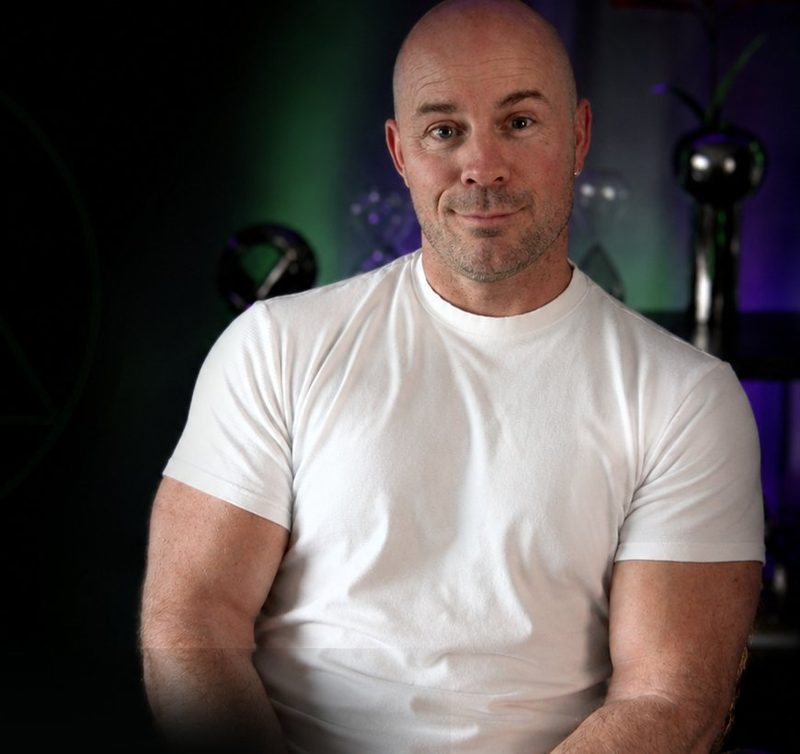
If you’ve tried to talk yourself out of this fear and it hasn’t worked, that isn’t a lack of willpower. A phobia is an alarm your mind learned, and logic alone rarely switches it off.
When I work with a fear of getting lost, I first find out what the fear is really about for you, whether that is being alone, panicking or feeling foolish. Using hypnotherapy and NLP over Zoom, I help your mind let go of the old alarm, so a new place becomes something to explore. We rehearse a trip somewhere new in your mind, calmly and in detail, until it feels ordinary. You get a recording of the hypnosis to listen to before you travel.
I’ve spent 17 years in clinical practice and helped more than 1,000 people with phobias. I hold a Postgraduate Certificate and a Postgraduate Diploma in Clinical Hypnotherapy, both with Distinction.
If you’re feeling low or on edge most of the time, talking to your GP or someone you trust can help too.
Common questions
Is a fear of getting lost the same as agoraphobia?
Not always. Agoraphobia is a fear of being in places where escape or help feels hard to reach. A fear of getting lost can be part of that, but some people only feel it when they do not know where they are.
Why do I panic when my phone dies?
For many people the phone has become their map, their way home and their way to call for help all in one. When it goes, your mind feels that all of those have gone at once.
Will I have to stop using my phone for directions?
No. Use whatever helps you. The aim is to feel calm if the phone fails or you take a wrong turn, not to give up the tools you like.
How do sessions work?
I use hypnotherapy and NLP to change how your mind responds to this fear. Sessions are one to one over Zoom, and you get a recording of the hypnosis to listen to afterwards.
How many sessions will I need?
Many clients notice a real difference after one 90 minute session. If the fear goes back a long way, three sessions gives us room to make the change stick.
Further reading: NHS: Phobias, NHS: Panic disorder
Ready to start?
A short call is the simplest next step. We’ll talk about your fear, what you’d like to feel instead, and whether I’m the right person to help.
- Take the free test at the top of this page to see how strong your fear is.
- Book a 30 minute call. Use code PHOBIA at checkout for half price: £24.50 instead of £49 ($29.50 outside the UK).
- Start your sessions over Zoom from wherever you live, or face to face in Hertfordshire.
See all session options and prices