
Fear of contact lenses and eye drops
A fear of contact lenses or eye drops can stop you before you start. Your eyes snap shut as your finger comes near, you flinch at the bottle, and you give up after ten minutes in front of the mirror.
Many people find that with the right help, they can put in lenses or drops calmly, instead of struggling or avoiding something their optician or doctor has suggested.
Use code PHOBIA at checkout for half price: £24.50 instead of £49. Outside the UK? $29.50.
Understanding this fear
Your body is built to protect your eyes, so blinking when something comes close is a healthy reflex. With a fear of contact lenses or eye drops, that reflex is joined by real dread, and it can stop you wearing lenses (contacts, as they say in the US) or using drops you need.
It is closely linked to a fear of eyes, a fear of eye injury, a fear of being touched and a fear of doctors.
Common triggers
- Fingers near your eyes
- Eye drop bottles
- Mirrors and close up views
- Lenses that feel dry or stuck
- Optician appointments
- Eye pressure and puff tests
- Stories about lenses going wrong
- Being rushed
Where it shows up
- The bathroom mirror each morning
- Optician fittings
- Eye drops after surgery
- Treatment for dry eye or glaucoma
- Sports and swimming
- Nights out and events
- Helping a child with drops
Symptoms
In your body
- Eyes clamping shut
- Watering eyes
- Racing heart
- Shaky hands
- Feeling faint or queasy
In your mind
- What if it gets stuck behind my eye?
- Picturing scratching your eye
- Feeling you are being silly
- Dreading the next attempt
- Giving up before you start
What you might do
- Going back to glasses
- Skipping eye drops
- Cancelling optician fittings
- Asking someone else to help every time
- Spending a long time trying and giving up
What causes it
A painful first try, a lens that felt stuck, a scratch or an eye injury can start it. Some people have always been protective of their eyes, and a fear of needles or medical procedures can spread to the eyes too. Once the fear is there, avoiding lenses or drops brings quick relief, which teaches your mind that it really was dangerous, so the fear grows.
How it can affect your life
A fear of contact lenses can mean giving up on sport, style or comfort you would like. A fear of eye drops can be more serious, because it can get in the way of treatment for eye conditions. Either way it can bring frustration and embarrassment.
Things that can help day to day
- Ask your optician to show you again, slowly, and to suggest lenses or drop aids that make it easier
- Wash and dry your hands, and follow your optician’s hygiene advice every time
- Ask your optician how to practise little by little, so your eyes get used to the feeling at your own pace
- Look up and away while the drop or lens goes in, rather than at your finger
- Breathe out slowly, a little longer than you breathe in, before each try
When to get help
It is worth getting help if the fear is stopping you using eye drops you need, or wearing lenses you would like to wear. If your eye is red, painful or your sight changes, take lenses out and see an optician or doctor straight away. Never stop prescribed eye drops without talking to your doctor or optician.
How I can help
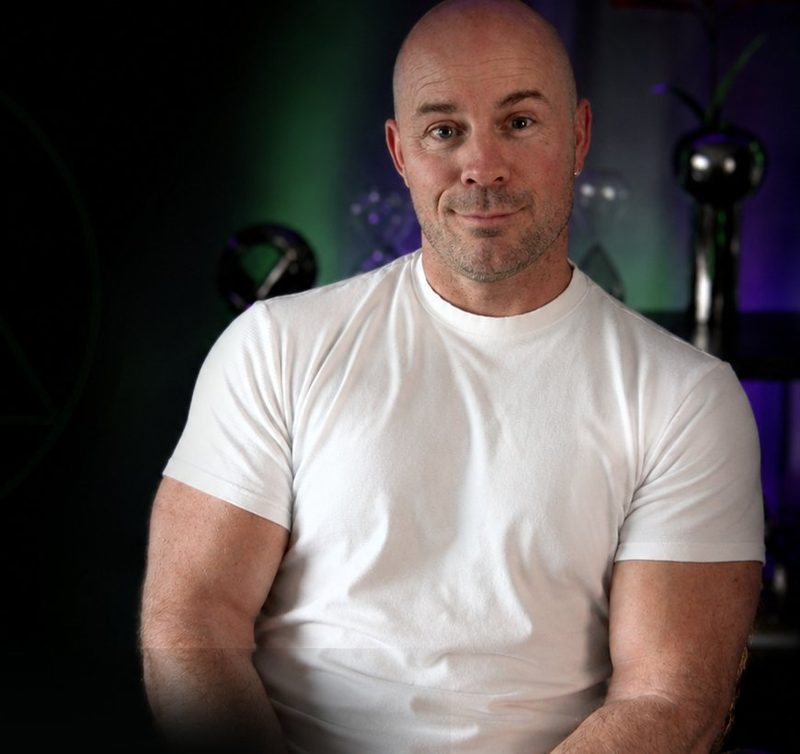
If you’ve tried to talk yourself out of this fear and it hasn’t worked, that isn’t a lack of willpower. A phobia is an alarm your mind learned, and logic alone rarely switches it off.
When I work with a fear of contact lenses or eye drops, I first find out what the fear is really about for you, whether that is the reflex itself, a bad first try or a fear of damage to your eye. Using hypnotherapy and NLP over Zoom, I help your mind let go of the old alarm, so putting in a lens or a drop becomes a calm, simple routine. We rehearse it in your mind, step by step, until it feels manageable. You get a recording of the hypnosis to listen to whenever you need it.
I’ve spent 17 years in clinical practice and helped more than 1,000 people with phobias. I hold a Postgraduate Certificate and a Postgraduate Diploma in Clinical Hypnotherapy, both with Distinction.
If you’re feeling low or on edge most of the time, talking to your GP or someone you trust can help too.
Common questions
Can a contact lens get lost behind my eye?
No. The inside of your eyelid joins the eye, so a lens cannot go behind it. It can slide under the lid, and your optician can show you how to move it back.
Is it normal to blink when trying?
Yes. Blinking protects your eyes and everyone has the reflex. Practice and slow, calm breathing can help it settle.
What if I need eye drops for treatment?
Keep using them as prescribed and tell your doctor or optician you are struggling. They can suggest aids or other options. Working on the fear can sit alongside that.
How do sessions work?
I use hypnotherapy and NLP to change how your mind responds to this fear. Sessions are one to one over Zoom, and you get a recording of the hypnosis to listen to afterwards.
How many sessions will I need?
Many clients notice a real difference after one 90 minute session. If the fear goes back a long way, three sessions gives us room to make the change stick.
Further reading: NHS: Phobias, Feel Good Contacts: Overcoming fear of inserting lenses
Ready to start?
A short call is the simplest next step. We’ll talk about your fear, what you’d like to feel instead, and whether I’m the right person to help.
- Take the free test at the top of this page to see how strong your fear is.
- Book a 30 minute call. Use code PHOBIA at checkout for half price: £24.50 instead of £49 ($29.50 outside the UK).
- Start your sessions over Zoom from wherever you live, or face to face in Hertfordshire.
See all session options and prices