
Fear of silence
A fear of silence can mean the TV is always on, a podcast plays as you fall asleep and a quiet room makes your chest tighten. When everything goes still, your thoughts get loud and you rush to fill the gap.
Many people find that with the right help, they can sit in a quiet room, drive without music and fall asleep in the stillness feeling calm.
Use code PHOBIA at checkout for half price: £24.50 instead of £49. Outside the UK? $29.50.
Understanding this fear
Many people like background noise. A fear of silence is when quiet itself feels threatening, often because it leaves room for worrying thoughts, memories or a sense of being alone. Some phobia lists call it sedatephobia. For some people, tinnitus is part of the picture, as ringing in the ears is much more noticeable when it is quiet.
It is closely linked to a fear of being alone, a fear of the dark, generalised anxiety, a fear of empty spaces and a fear of sleep.
Common triggers
- A quiet house at night
- Pauses or silences in conversation
- Power cuts, when everything switches off
- Silent waiting rooms and lifts
- Being on your own at home
- The stillness of the countryside
- Exam halls and libraries
- Meditation, yoga or quiet reflection
Where it shows up
- Your bedroom at night
- Home alone
- Doctors’ waiting rooms
- Offices and libraries
- Car journeys without music
- Holidays somewhere remote
- Meetings and first dates
Symptoms
In your body
- Tight chest
- Racing heart
- Restlessness
- Noticing your heartbeat or ringing in your ears
- Trouble settling
In your mind
- Something is wrong
- My thoughts are too loud
- I need to fill this gap
- Old memories rising up
- A sense of being completely alone
What you might do
- Keeping the TV or radio on all day
- Falling asleep to podcasts
- Talking to fill pauses
- Avoiding quiet places
- Always having headphones in
What causes it
A fear of silence often grows when quiet has been linked with something difficult: lonely times, an anxious stretch of life, waiting for bad news or a home where silence meant tension. If you are a worrier, quiet can feel like an open door for anxious thoughts. Tinnitus or noticing your own body more in the quiet can add to it.
How it can affect your life
A fear of silence can affect your sleep, make it hard to rest or concentrate and leave you always reaching for your phone or headphones. It can make time alone feel uncomfortable and stop you enjoying calm moments that would help you recharge.
Things that can help day to day
- Try a minute of quiet with a calm, simple sound such as a fan, then build up slowly
- Use slow breathing to give your mind something steady to follow
- Keep a notebook nearby and jot worries down instead of chasing them
- Swap busy noise for softer sound, such as rain or gentle music, at bedtime
- Notice and praise yourself for each small step you take
When to get help
It is worth getting help if the fear is affecting your sleep, your work or your ability to be on your own. If you have ringing or buzzing in your ears that does not go away, see your GP, as tinnitus can be checked and there is support for it. If you feel anxious or low most of the time, talk to your GP too.
How I can help
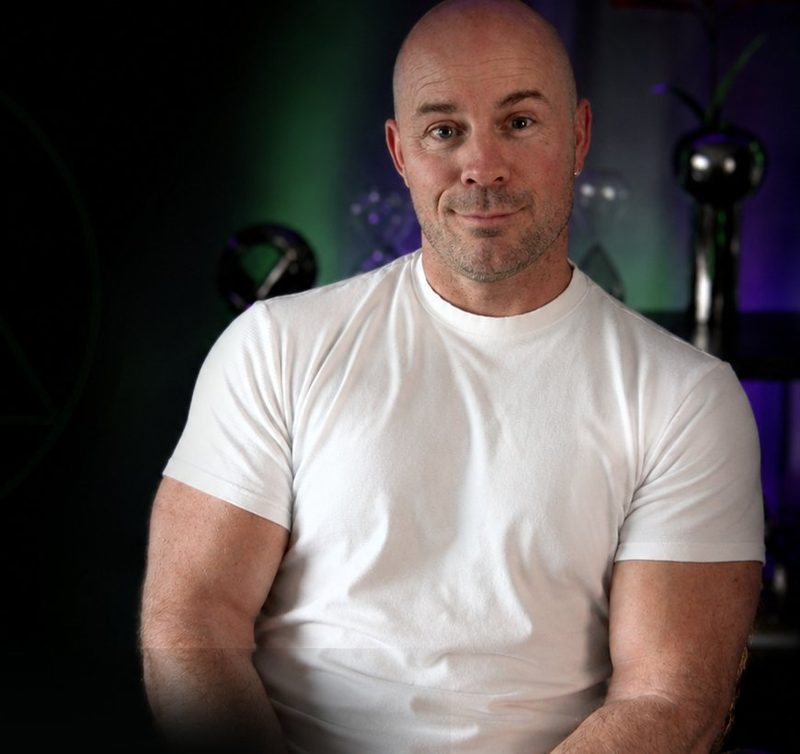
If you’ve tried to talk yourself out of this fear and it hasn’t worked, that isn’t a lack of willpower. A phobia is an alarm your mind learned, and logic alone rarely switches it off.
When I work with a fear of silence, I first find out what the quiet brings up for you, whether that is worry, memories or a sense of being alone. Using hypnotherapy and NLP over Zoom, I help your mind link quiet with rest and safety again. We rehearse calm, quiet moments in your mind, in detail, until stillness feels comfortable. You get a recording of the hypnosis to listen to whenever you need it, which many people find helps them fall asleep.
I’ve spent 17 years in clinical practice and helped more than 1,000 people with phobias. I hold a Postgraduate Certificate and a Postgraduate Diploma in Clinical Hypnotherapy, both with Distinction.
If you’re feeling low or on edge most of the time, talking to your GP or someone you trust can help too.
Common questions
Is a fear of silence a real phobia?
Yes. It is sometimes called sedatephobia. Liking background noise is normal, but when quiet makes you anxious and shapes your life, it works in the same way as other phobias.
Is it bad to sleep with noise on?
Not necessarily. Many people sleep well with soft background sound. It only becomes a problem if you feel you cannot cope without it, or if busy noise is keeping your mind active.
Can tinnitus cause a fear of silence?
It can make silence uncomfortable, because the ringing is easier to notice. If you have tinnitus, see your GP, and working on the anxiety around it can also help a lot.
How do sessions work?
I use hypnotherapy and NLP to change how your mind responds to this fear. Sessions are one to one over Zoom, and you get a recording of the hypnosis to listen to afterwards.
How many sessions will I need?
Many clients notice a real difference after one 90 minute session. If the fear goes back a long way, three sessions gives us room to make the change stick.
Further reading: NHS: Tinnitus, NHS: Generalised anxiety disorder
Ready to start?
A short call is the simplest next step. We’ll talk about your fear, what you’d like to feel instead, and whether I’m the right person to help.
- Take the free test at the top of this page to see how strong your fear is.
- Book a 30 minute call. Use code PHOBIA at checkout for half price: £24.50 instead of £49 ($29.50 outside the UK).
- Start your sessions over Zoom from wherever you live, or face to face in Hertfordshire.
See all session options and prices